

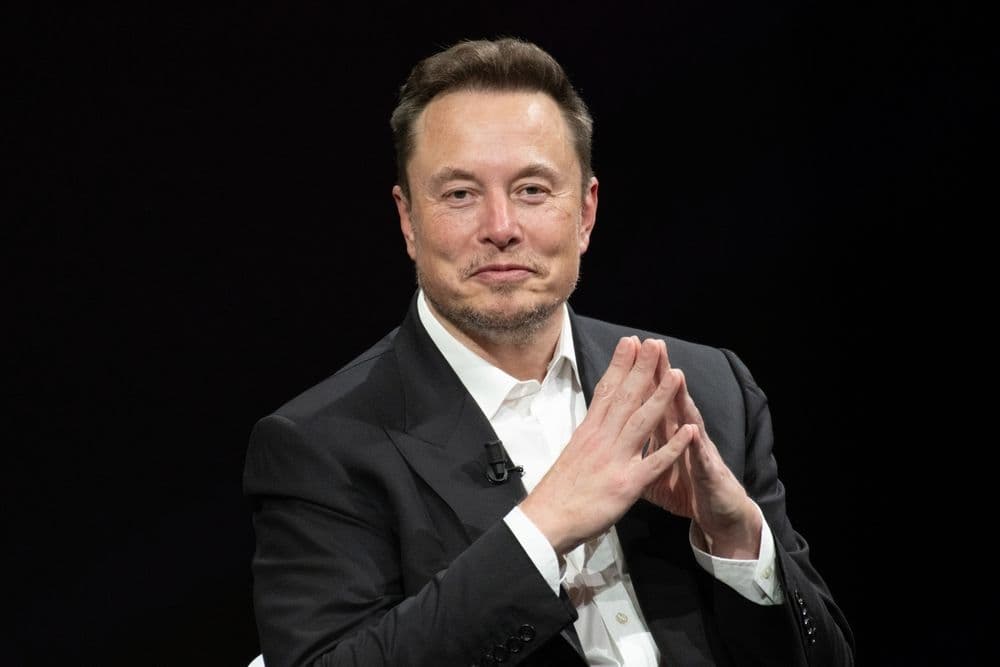
 Elon Musk continues to expand his AI ambitions as xAI receives a $3 billion investment from Saudi Arabia’s HUMAIN. (Shutterstock)
The funding was part of xAI’s latest capital raise and comes immediately before what is being described as a historic merger with SpaceX, a development that effectively combines advanced artificial intelligence development with aerospace engineering and satellite infrastructure.
The timing of HUMAIN’s investment is significant. xAI has rapidly emerged as one of the most closely watched companies in the global AI race, positioning itself as a challenger to established AI labs while developing its own generative models and AI systems. By investing at this stage, HUMAIN is not simply buying into a startup, it is aligning itself with a broader technological vision that now extends beyond artificial intelligence alone.
The merger with SpaceX introduces a new dimension to that vision. While details of the integration remain limited in the public domain, the combination suggests a strategic convergence between AI development and space-based infrastructure. SpaceX’s global satellite footprint and launch capabilities offer potential long-term synergies for large-scale AI deployment, high-bandwidth communications, and distributed computing architectures. The announcement characterizes the merger as historic, underscoring its scale and potential impact.
Plans have also emerged outlining Elon Musk and xAI’s ambition to develop space-based AI data centers, signaling that the company sees the future of compute extending beyond traditional ground facilities. Those proposals describe leveraging orbital platforms and satellite networks to address constraints around power, cooling, and connectivity, context that helps explain why strategic investors such as HUMAIN are aligning with the company at this stage.
HUMAIN’s move speaks to a much bigger strategy taking shape. Saudi Arabia has been steadily directing capital into emerging technologies as part of its long-term push to diversify the economy beyond oil. By backing xAI at this pivotal moment, HUMAIN isn’t just writing a check, it’s securing a foothold in advanced AI research and infrastructure and placing itself inside one of the most ambitious technology ecosystems now coming together.
The release also highlights ongoing collaboration between HUMAIN and xAI beyond capital injection. Their partnership includes plans to develop AI infrastructure capacity in Saudi Arabia, supporting compute-intensive systems required for next-generation AI models. Such infrastructure initiatives typically involve high-performance data centers, advanced semiconductor hardware, and scalable energy solutions, all critical components in the global competition for AI leadership.
The broader industry context makes the move even more notable. Artificial intelligence development increasingly requires not only software innovation but also vast physical infrastructure, power generation, cooling systems, chip supply chains, and connectivity networks. Companies that can control both advanced AI research and large-scale deployment channels are widely viewed as having structural advantages. In that light, the xAI-SpaceX alignment represents an attempt to integrate multiple layers of the technological stack under one strategic umbrella.
Elon Musk has repeatedly emphasized the transformative potential of AI technologies, framing them as foundational to future economic and scientific progress. The merger suggests a belief that artificial intelligence and aerospace technologies may become increasingly interdependent, particularly in areas such as global communications, autonomous systems, and large-scale data processing.
From an investment standpoint, HUMAIN’s commitment signals confidence in that integrated model. Rather than taking a passive position, the firm is entering at a moment of corporate restructuring that could define xAI’s next chapter. The conversion of its investment into equity exposure within the merged entity places HUMAIN inside a technology ecosystem that extends well beyond conventional AI applications.
In recent years, global AI development has accelerated at a pace that demands unprecedented levels of capital. Training frontier models requires immense computational resources, and companies competing at the top tier increasingly rely on deep pools of institutional and sovereign funding. HUMAIN’s investment reflects that reality. It also underscores the growing role of Middle Eastern capital in shaping the trajectory of frontier technologies.
As the merged entity begins its next phase, attention will likely focus on how effectively the integration translates into tangible technological advantages. Will space-based infrastructure meaningfully enhance AI deployment? Can vertically integrated compute ecosystems reduce dependency on third-party providers? And how will regulators view a company that straddles both advanced AI research and aerospace capabilities?
SpaceX gains meet market reality
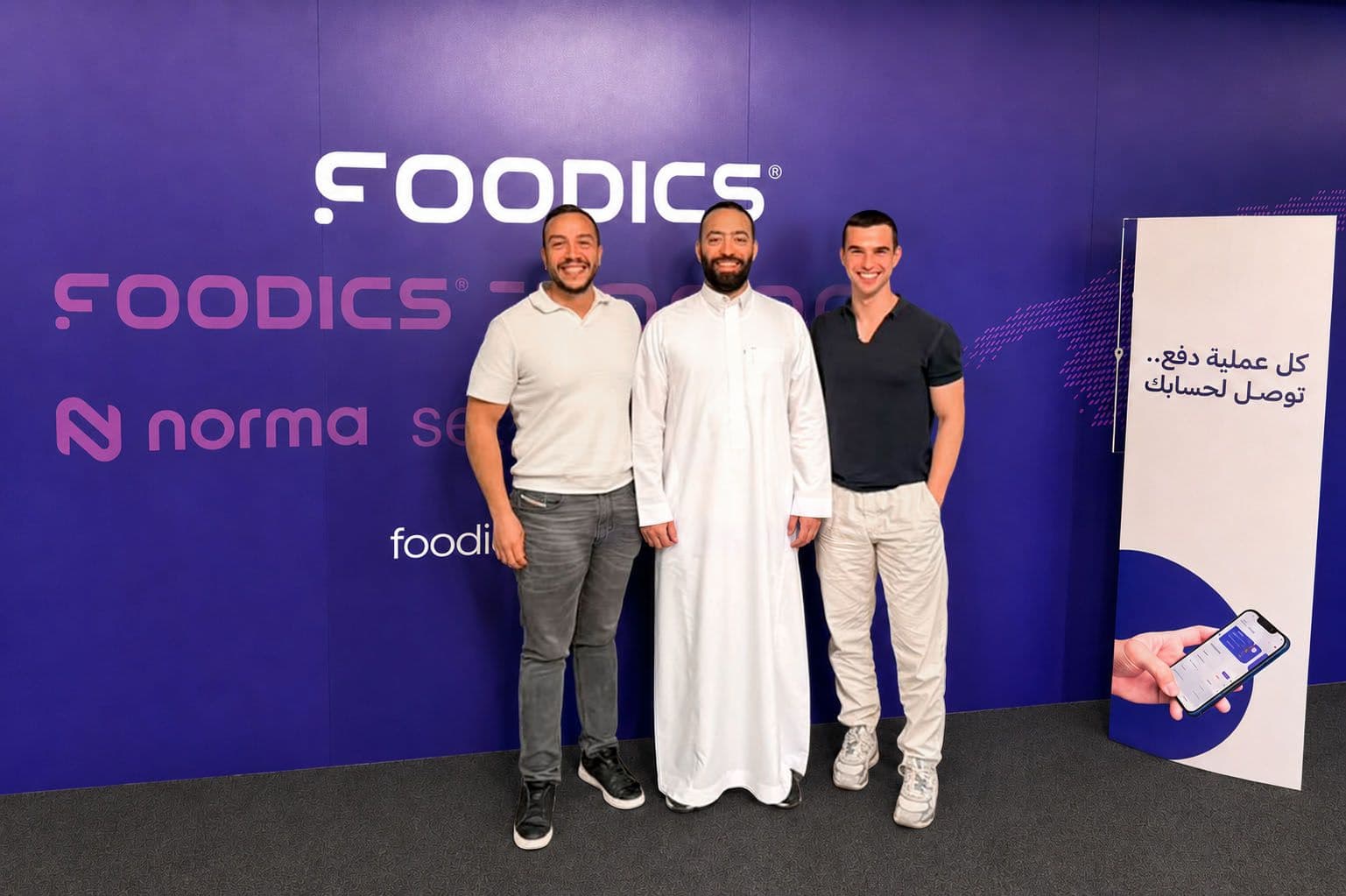
Norma joins Foodics’ AI push
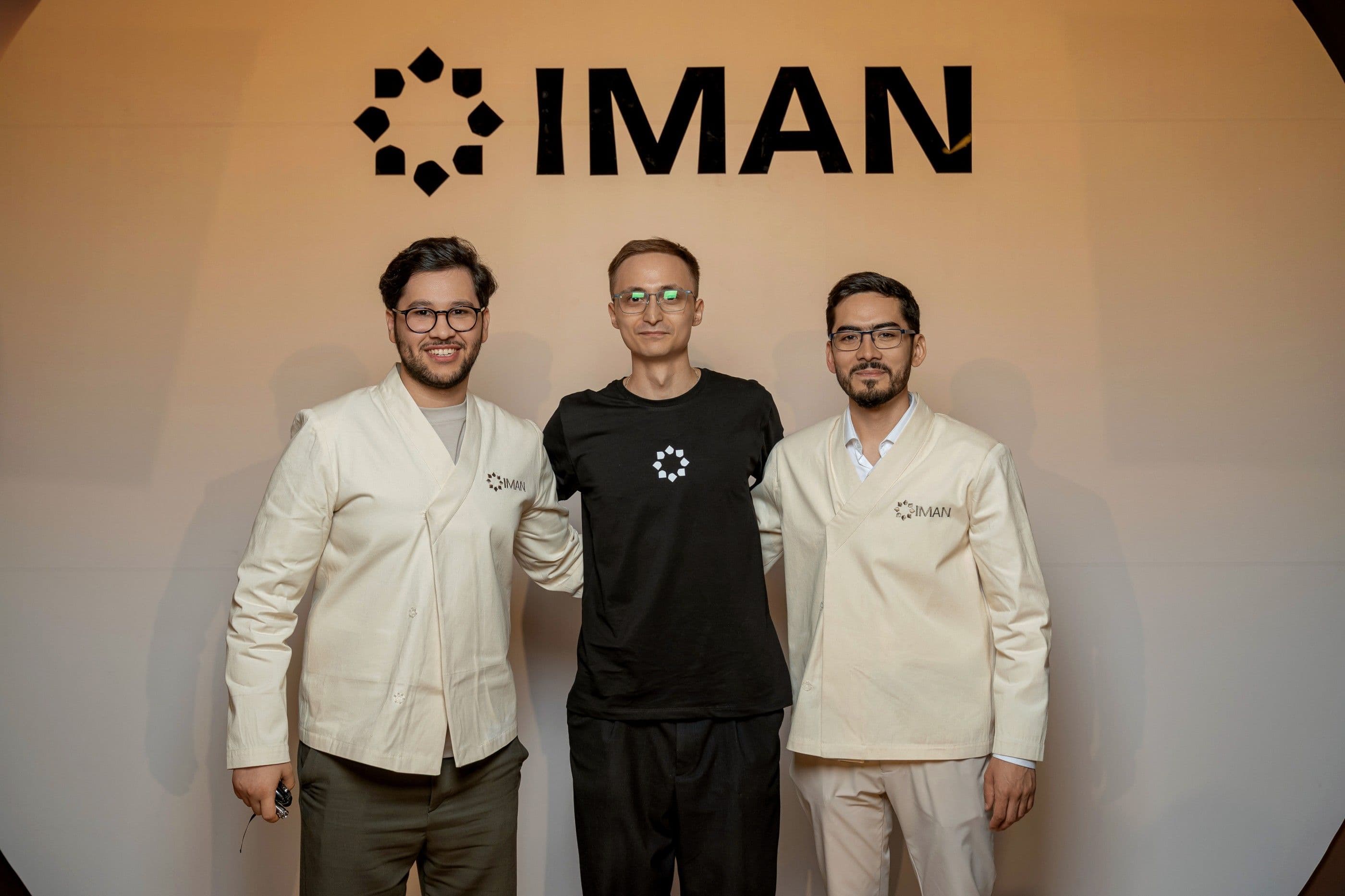
A bigger Gulf push for IMAN
HELM gives Arabic AI a sharper scorecard

Stay ahead with the latest updates, insights, and trends shaping the world of finance, investment, blockchain, digital business, fintech, technology, and global markets.
