Aligning With Global Standards
A key element of the framework is its alignment with internationally recognized regulatory principles. The CMA has designed the framework in line with standards from organizations such as the International Organization of Securities Commissions (IOSCO) and the Financial Action Task Force (FATF).
This alignment is intended to ensure that the UAE’s regulatory environment remains compatible with global financial systems, particularly in areas such as anti-money laundering and investor protection.
The framework also reflects the principle of “same activity, same risk, same regulatory outcome,” indicating that virtual asset services will be subject to oversight comparable to traditional financial activities with similar risk profiles.
Supporting Innovation While Protecting Investors
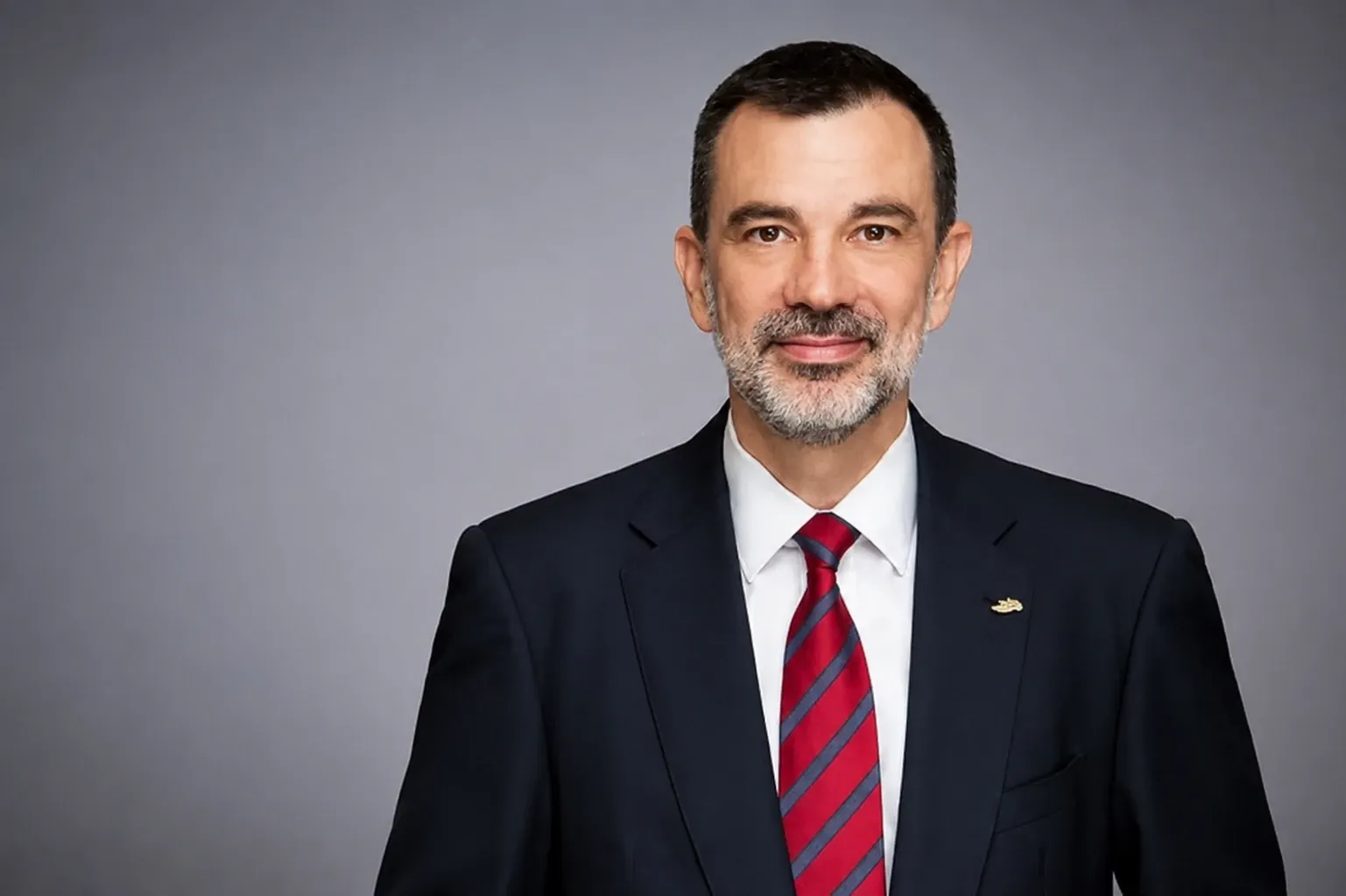
In a statement included in the release, CMA Chief Executive Officer Waleed Saeed Al Awadhi highlighted the transformative impact of virtual assets on financial markets. “Virtual assets are reshaping how financial markets operate, and regulation must evolve at the same pace. This framework establishes clear and comprehensive foundations for virtual asset activities in the UAE, enabling innovation to develop within a trusted environment that safeguards investors and upholds market integrity.”
The framework aims to balance this transformation with appropriate safeguards, ensuring that innovation can continue without compromising market integrity or investor confidence.
Companies operating in the sector face clearer expectations around service delivery, along with greater accountability in managing client assets and risks.
The introduction of the Virtual Assets Framework provides greater clarity for market participants, particularly as the global regulatory environment for digital assets remains fragmented.
In many jurisdictions, firms face uncertainty around licensing requirements and compliance obligations. By contrast, the UAE’s approach seeks to provide a more structured and predictable environment, which could make the country more attractive to businesses operating in the space.
At the same time, the framework reinforces the importance of transparency and accountability, two factors that have become increasingly important as the digital asset market matures.
Strengthening the UAE’s Financial Ecosystem
The CMA’s initiative forms part of a broader effort to enhance the resilience and competitiveness of the UAE’s financial markets.
By introducing a comprehensive regulatory structure for virtual assets, authorities aim to improve investor protection, strengthen market integrity, and support sustainable growth in the sector.
These measures are expected to contribute to the development of a more robust financial ecosystem, capable of accommodating both traditional and emerging asset classes.
Virtual assets continue to evolve, and regulatory frameworks will need to adapt alongside them. The CMA’s approach reflects a willingness to engage with innovation while maintaining a strong regulatory foundation.