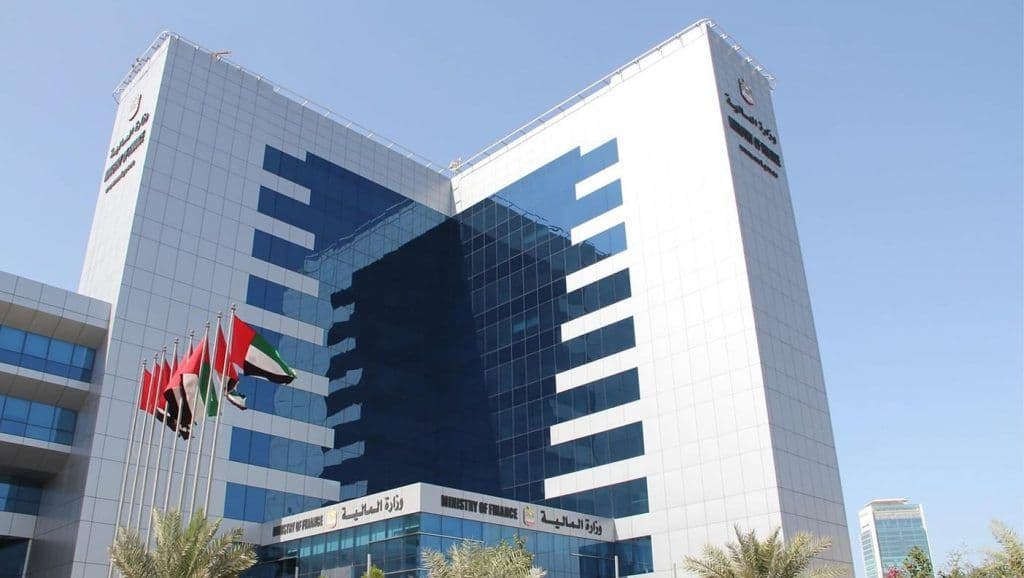
The UAE Ministry of Finance has launched Phase 1 of its Research and Development (R&D) Tax Incentives Program, marking a significant step in the country’s effort to strengthen its innovation ecosystem. The initiative is designed to encourage private-sector investment in research-intensive industries and position the UAE as a more competitive destination for advanced technology development. The move comes as the country continues to refine its post-corporate tax framework, with policymakers increasingly focused on balancing fiscal sustainability and economic diversification.
The initiative reflects the UAE’s strategy to attract research-driven industries and global investment, aligning with its shift toward a knowledge-based, innovation-focused economy.
How the R&D Tax Credit System Works
Under the program, eligible businesses can claim a non-refundable R&D tax credit of up to 50% on qualifying R&D expenditures, with the applicable rate expected to vary depending on the nature of the activity and other qualifying criteria. The total benefit is capped at approximately $1.36 million (AED 5 million) per tax period, and the credits can be used to offset corporate tax and, where applicable, top-up tax liabilities, rather than being converted into direct cash payments. The framework is supported by Cabinet Decision No. 215 of 2025 and Ministerial Decision No. 24 of 2026, which set out the eligibility criteria and implementation details. The incentives apply to tax periods beginning on or after January 1, 2026, giving companies a defined window to align their reporting and investment strategies.
Why the Policy Matters for Businesses and Investment
Beyond the mechanics, the program signals a broader shift in how the UAE is approaching economic growth. Historically anchored in sectors such as energy, trade, and real estate, the country is increasingly directing attention toward knowledge-based industries including artificial intelligence, fintech, biotechnology, and advanced manufacturing. By reducing the effective cost of innovation through targeted tax relief, the government is aiming to attract both multinational corporations and established regional players to conduct research activities locally. At the same time, the structure of the incentive, particularly its non-refundable nature, means it may be less immediately beneficial for early-stage companies without taxable income, suggesting that the initial phase is more accessible to firms already generating profits.
A Strategic Shift in the UAE’s Global Economic Positioning
The timing of the initiative reflects the UAE’s evolving tax landscape. Following the introduction of a federal corporate tax regime, the government has moved to balance competitiveness with compliance under global tax standards. The design of the R&D incentive is aligned with international frameworks, including considerations tied to the OECD’s global minimum tax rules, allowing companies to utilize credits in a way that remains consistent with cross-border tax obligations. Similar incentive models are widely used in jurisdictions such as the United States, the United Kingdom, and Singapore, where governments rely on tax credits to stimulate private-sector innovation. By adopting a comparable structure, the UAE is positioning itself to compete more directly for high-value research investments on a global scale.
Next Phase of the UAE’s R&D Strategy Takes Shape
At a strategic level, the phased rollout of the program suggests that further enhancements could follow. While Phase 1 focuses on non-refundable credits, policymakers have indicated scope for future expansion, potentially including broader eligibility or more flexible incentive mechanisms depending on market response. The initiative aligns with the UAE’s long-term economic vision, which emphasizes diversification, technological advancement, and the development of a knowledge-driven economy. Companies evaluating where to establish or expand R&D operations may find the combination of tax incentives, modern infrastructure, and access to regional markets increasingly attractive.
With the right execution, the program has the potential to become a meaningful driver of innovation across the UAE’s economy. Clear guidance and efficient administration can help businesses take full advantage of the incentives, encouraging greater investment in research and development. Companies are beginning to engage with the framework, and the initiative could play a key role in strengthening the UAE’s position as a regional hub for advanced industries while supporting its broader vision of a knowledge-based economy.