
 Juventus remains under Exor control despite $1B Tether proposal. (Shutterstock)
The bid, which was put in by Tether, aimed at Exor’s controlling interest in the Turin football club through a fully funded all-cash transaction.
According to Tether’s official statement, they presented this bid not as a short-term investment opportunity but rather a strategic investment in a long-term framework. Tether stated their intent to support Juventus in terms of their sports ambitions and expansion, improving infrastructure and commercial expansion across the global platform with Juventus maintaining their sports and cultural identity. Tether termed Juventus an iconic institution with recognition on a global platform and presented this bid as part of a strategic plan to improve Juventus’s financial stability.
Tether’s action is a part of a larger move to focus on diversification in areas such as real-world assets, infrastructure, and established brands. Tether has diversified in sectors such as energy, data infrastructure, and emerging tech over the last years, indicating a desire to be a one-stop investment platform across multiple sectors. The Juventus offer is a rather aggressive step in this direction, which targets one of Europe's most established football clubs with a bid for majority ownership rather than a sponsorship deal or investment.
Juventus, established in 1897, is a highly successful football club with a rich history of domestic victories in Italian football and a large international support base. As of today, Juventus is in the control of Exor, which is an investment holding firm representing the Agnelli family, in addition to being involved in other sectors such as autos, industries, and media. Exor holds a strategic influence in Juventus with a majority voting interest, thus requiring approval from Exor if a change in control is to occur.
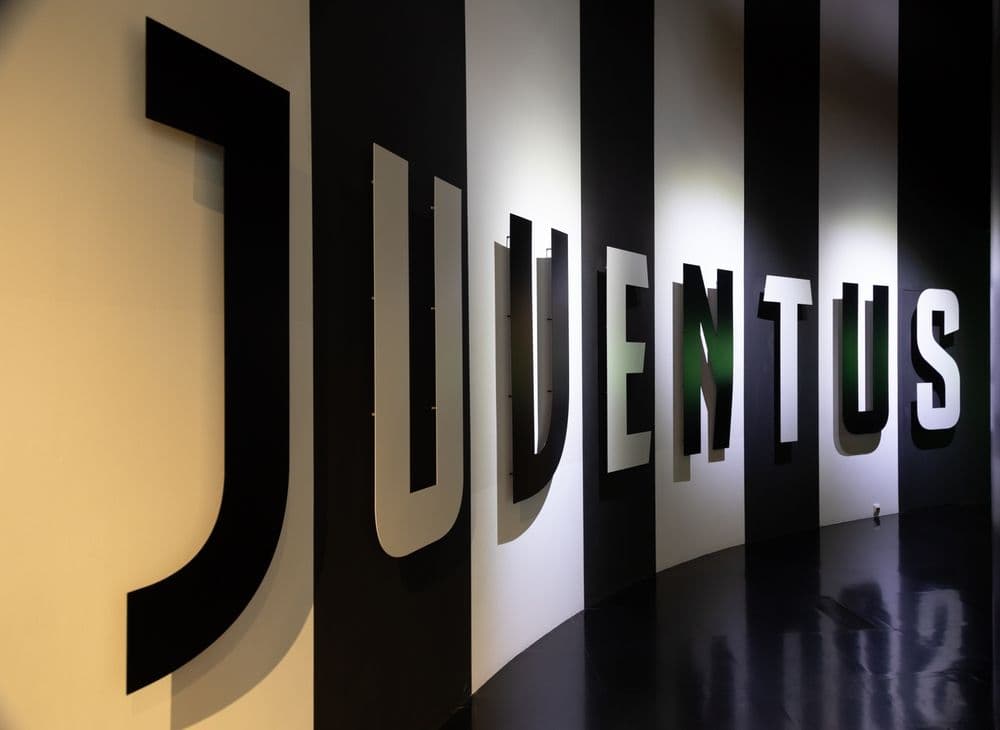 Exor rejected Tether’s proposal, reaffirming its decision to retain full control of Juventus Football Club. (Shutterstock)
Despite Tether’s proposal, Exor has publicly and unequivocally rejected the offer. Exor stated in a statement after a board meeting that it had decided not to go forward with a sale of its controlling interest in Juventus Football Club despite a unified collective board decision to do so. Exor reiterated its affinity with Juventus and vowed not to give up control.
Exor’s press release did not provide financial information with regards to Tether’s offer, nor did it suggest a continuation in another format. The focus of Exor’s statement is rather on strategic continuity, which implies Juventus is an important part of Exor’s present and future strategy. The fact that this is a unanimous decision highlights Exor’s commitment to ensuring that governance remains unaffected at Juventus, especially after a time when it faced regulatory and organizational shake-ups in the Italian football scene.
The rejection shows a common thread in elite European football ownership, where control can be subject to a mix of legacy, governance, and institutional considerations rather than solely being driven by financial valuations. Although investment inflows have become more relevant in contemporary football, majority owners do not necessarily treat their clubs simply as investment assets. As a holding company, Exor faces reputational imperatives over and above financial performance.
For Tether, the outcome does not necessarily close the door on engagement with traditional sports or European assets. While Tether’s announcement did not include an aggressive stance in light of rejection, it is not ruled out that Tether might look into other methods of participation in football. The Juventus bid serves as an indicator of the potential challenges faced by crypto companies if they want to gain controlling stakes in institutions with deeply established ownership structures.
The episode equally portrays a dynamic state in which digital asset capital intersects with traditional sectors in different industries across the world. The desire to gain recognition and diversification is common among crypto enterprises, which are increasingly rubbing shoulders with other sectors such as sports, energy, and infrastructure. The substantial bid placed by Tether is a manifestation of both the magnitude of capital in the digital asset industry and the difficulty in exerting influence in other sectors.
Although Juventus will continue to be controlled by Exor, this attempt by Tether is an important event in the integration of digital finance and ownership in global sports. As crypto companies grow in maturity and widen their investment horizons, this trend in dealing with famous non-crypto assets will not be uncommon, though not all will definitely succeed.

UAE visitors gain easier banking access

Saudi startup scales its AI ambitions

Dubai approval brings Revolut closer

Partior powers faster cross-border settlements

Stay ahead with the latest updates, insights, and trends shaping the world of finance, investment, blockchain, digital business, fintech, technology, and global markets.

