

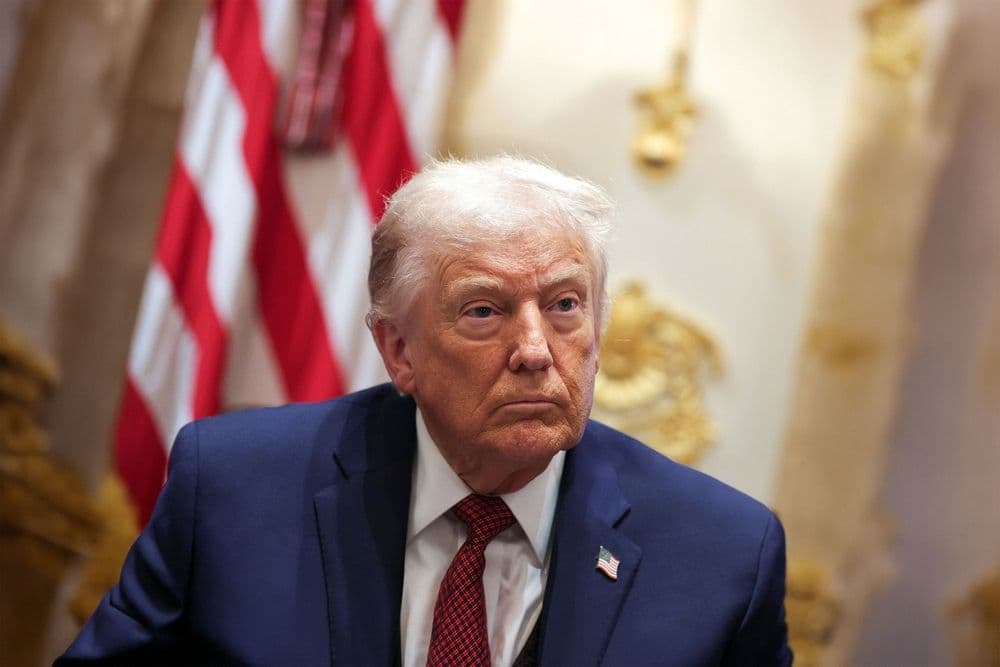
 Trump pushes big tech to absorb data center power costs. (Shutterstock)
Trump framed the issue in personal terms, linking the rapid build-out of data centers to everyday expenses faced by families. He said that under the previous administration, average monthly utility bills for American households rose sharply, arguing that consumers should not be asked to absorb additional costs driven by the expansion of large technology infrastructure. “I never want Americans to pay higher electricity bills because of data centers,” he wrote.
According to Trump, his administration is now working directly with major U.S. technology companies to secure commitments that would keep data center power costs from spilling over into household utility bills. He identified Microsoft as the first company to reach such an understanding, saying the firm will begin making “major changes” starting this week so that Americans do not “pick up the tab” for its power consumption.
The comments land at a time when data centers have become one of the fastest-growing sources of electricity demand in the United States. Facilities that support cloud computing and AI workloads can consume enormous amounts of power, often comparable to that used by tens of thousands of homes. As more of these centers come online, utilities and grid operators have warned that new infrastructure is needed, raising questions about who should ultimately pay for those upgrades.
Trump’s message suggests he wants that burden to fall squarely on the companies building and operating the data centers, rather than on everyday ratepayers. While he emphasized that data centers are essential to keeping the United States competitive and secure in artificial intelligence, he argued that technology companies must “pay their own way” when it comes to electricity use.
The tone of the post reflects a broader attempt to balance two priorities that can sometimes pull in opposite directions. On one hand, Trump highlighted the importance of AI and data centers to economic growth, national security, and what he described as America’s position as the “hottest” country in the world for technological innovation. On the other, he positioned himself as a defender of consumers, focusing on the impact that rising power demand could have on household budgets.
Microsoft’s mention is significant, given the company’s central role in the current wave of AI development. The firm has invested heavily in expanding its data center footprint to support cloud services and advanced AI systems. Any change in how Microsoft funds or manages its electricity needs could influence how other major technology companies approach similar challenges, particularly as public attention on data center energy use intensifies.
For communities that host large data centers, the question of who pays for grid upgrades has become increasingly sensitive. In some regions, residents and local officials have pushed back against new projects, concerned that increased demand could raise rates or strain existing infrastructure. Trump’s comments appear designed to reassure those communities that the federal government is aware of these concerns and intends to act.
The message marks a clear signal of intent. As artificial intelligence continues to drive demand for data centers, the question of who bears the cost of rising electricity use is moving into the political spotlight. Trump’s intervention points to an approach in which the financial responsibility for powering the country’s digital infrastructure would increasingly sit with the companies that build and operate these facilities, rather than with households that depend on the same electric grid.

Cobi looks to scale enterprise AI

New FinTech Pilots Take Shape in Dubai

Fitting targets a more digital supply chain

AI-generated viruses raise new biosafety questions

Stay ahead with the latest updates, insights, and trends shaping the world of finance, investment, blockchain, digital business, fintech, technology, and global markets.
