

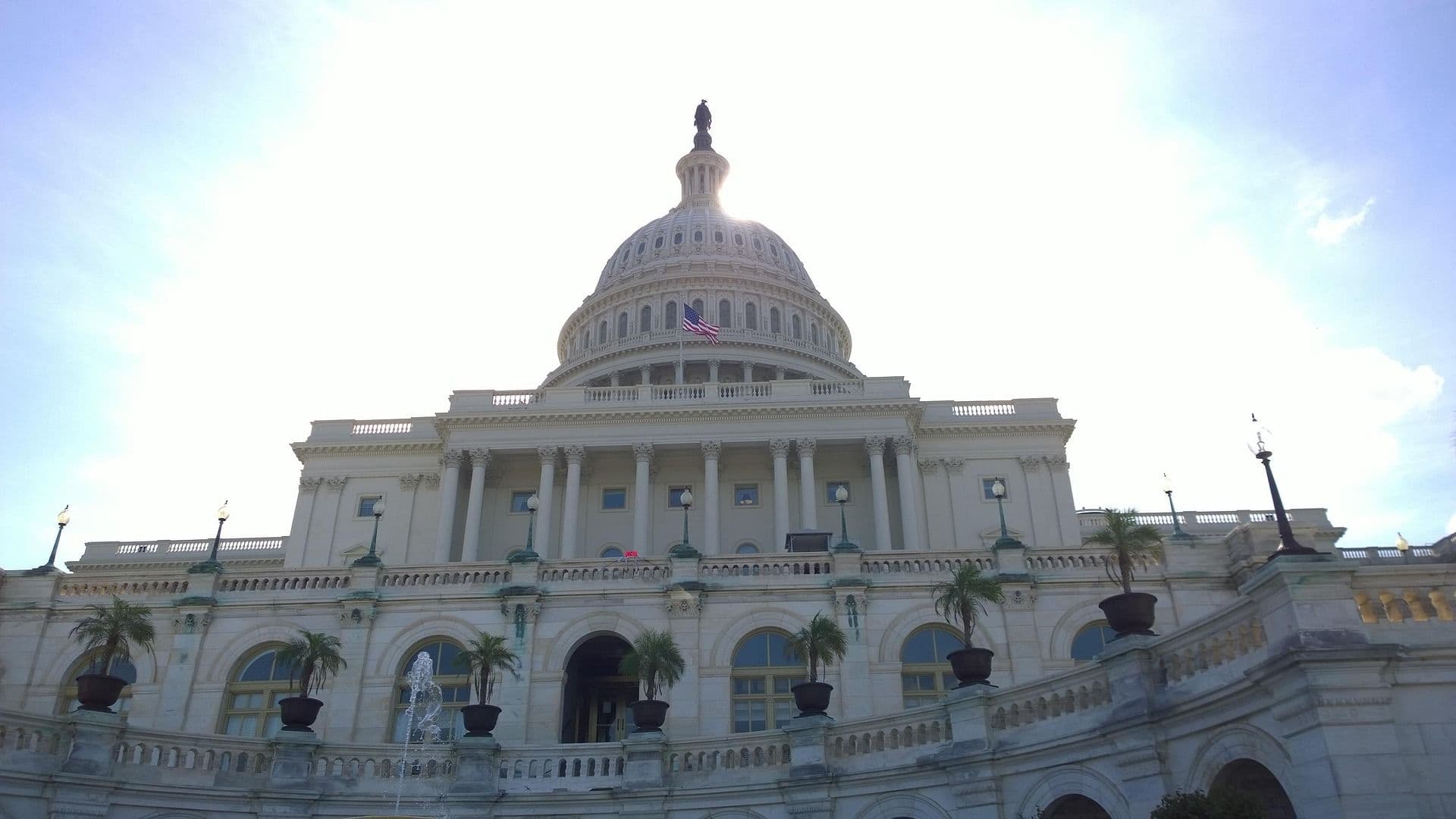
 Crypto rules take a breather as senate lawmakers keep talking. (Pixabay)
The Senate Committee on Agriculture, Nutrition, and Forestry has announced that it would delay a scheduled markup of the legislation, with Chairman John Boozman saying bipartisan discussions are moving in a constructive direction but require more time. The markup is now expected to take place later in January.
In a statement released by the committee, Boozman said lawmakers have made “meaningful progress” in talks and emphasized the importance of advancing legislation that reflects bipartisan consensus rather than rushing the process. He framed the delay as a deliberate step to ensure the bill is ready before moving ahead.
The decision underscores the challenge lawmakers face as they attempt to craft federal rules for a fast-moving digital asset sector that continues to grow in size and influence. While there is broad agreement in Washington that clearer oversight is needed, translating that agreement into legislative text has proven to be a careful and time-consuming process.
According to the committee, discussions around the bill have remained productive, with members continuing to work through unresolved policy questions. Boozman reiterated his commitment to moving forward with crypto market structure legislation, signaling that the delay reflects ongoing work rather than a loss of momentum.
The legislation under consideration is part of a broader congressional effort to bring greater clarity to how digital asset markets are regulated at the federal level. Lawmakers have repeatedly pointed to uncertainty around oversight as a key issue facing the industry, particularly as crypto activity becomes more intertwined with traditional financial systems.
Rather than focusing on a single segment of the market, the debate around market structure reflects a wider attempt to understand how digital assets fit within existing regulatory frameworks. That task has drawn sustained attention from lawmakers on both sides of the aisle, even as opinions differ on how prescriptive new rules should be.
The Agriculture Committee’s involvement highlights how digital assets are increasingly intersecting with areas traditionally overseen by commodity regulators. As crypto markets evolve, questions around jurisdiction, supervision, and enforcement have taken on greater urgency, prompting lawmakers to spend more time refining their approach.
Boozman’s announcement suggests a preference for caution over speed. By postponing the markup, the committee is allowing additional time for senators to address concerns raised during negotiations and to work toward language that can attract broader support within the chamber.
Delays of this kind are not unusual for complex legislation, particularly when bipartisan agreement is a stated goal. Crypto regulation, in particular, presents lawmakers with the added challenge of keeping pace with technological change while avoiding unintended consequences that could emerge from hastily written rules.
The next steps in Congress are being closely watched. Clearer federal guidance is widely seen as an important factor in shaping the future of crypto markets in the United States, influencing long-term planning and participation across the sector.
Talks are continuing behind closed doors, with attention now focused on whether lawmakers can turn bipartisan discussions into legislation capable of advancing through the Senate. The delayed markup has become a key moment in that process, and its outcome could shape the direction of U.S. crypto policy in the months ahead.

UAE visitors gain easier banking access

Dubai approval brings Revolut closer

Partior powers faster cross-border settlements

Nasdaq Dubai welcomes Ajman Bank’s $300 million Sukuk

Stay ahead with the latest updates, insights, and trends shaping the world of finance, investment, blockchain, digital business, fintech, technology, and global markets.
