

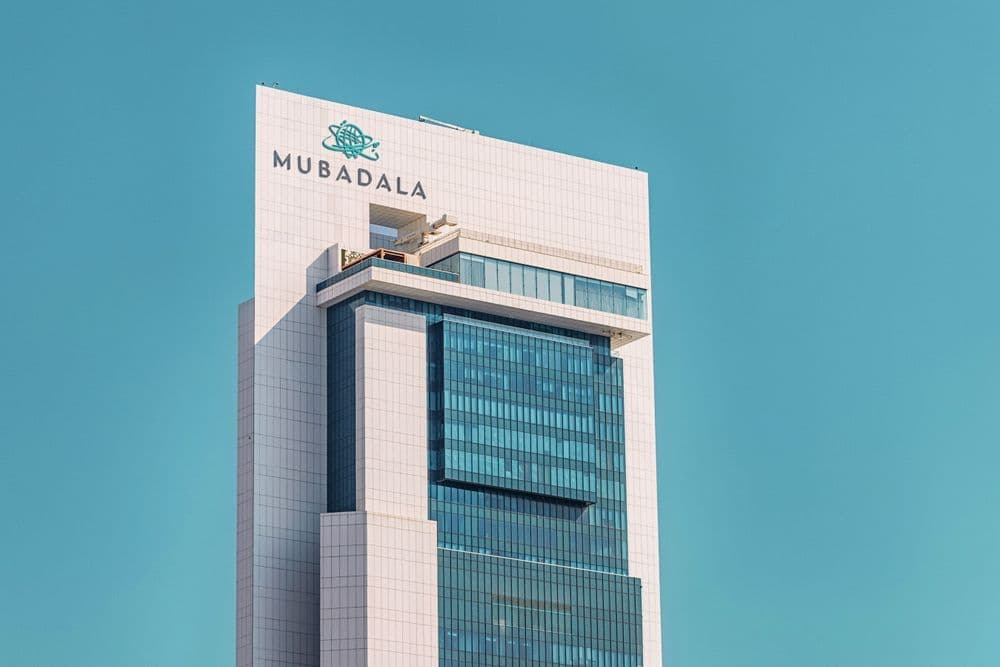
 Bitcoin’s growing presence in institutional portfolios reflects how the asset is increasingly accessed through regulated market vehicles. (Shutterstock)
Mubadala Investment Company, one of the United Arab Emirates’ largest state-backed investment vehicles, has doubled its stake in BlackRock’s spot Bitcoin exchange-traded fund, lifting its position to approximately $630.6 million as of the end of 2025.
Mubadala increased its holdings in the iShares Bitcoin Trust (IBIT) to 12.7 million shares at the close of the fourth quarter, up from 8.7 million shares in the previous quarter. The increase represents a significant expansion of exposure to Bitcoin through a U.S.-listed, regulated investment vehicle.
Another Abu Dhabi-based entity, Al Warda Investments RSC, disclosed a separate holding of 8.2 million IBIT shares valued at roughly $408 million. Combined, the two positions bring total disclosed exposure from these Abu Dhabi-linked investors to nearly $1.4 billion in the BlackRock Bitcoin ETF as of December 31, 2025.
Mubadala, which manages hundreds of billions of dollars across global markets, still holds the allocation as a relatively small portion of its broader portfolio. However, the size of the position signals increasing institutional comfort with accessing digital assets through traditional financial infrastructure rather than holding cryptocurrencies directly.
Unlike early-stage crypto investors who typically held tokens directly, large sovereign funds and regulated institutions often favor exchange-traded products. ETFs offer liquidity, regulatory oversight, and integration into existing brokerage and custodial systems, reducing operational complexity while maintaining price exposure.
The timing of the increase is notable. Bitcoin has experienced periods of volatility over the past year, reflecting shifting macroeconomic conditions and evolving investor sentiment. Expanding a position during fluctuating market conditions suggests a longer-term allocation strategy rather than a short-term trade.
Sovereign wealth funds generally operate on multi-year investment horizons. Their allocations are typically driven by diversification objectives, portfolio construction models, and thematic convictions about emerging asset classes. In that context, exposure to a regulated Bitcoin ETF can be viewed as part of a broader strategy to gain access to alternative assets that sit outside traditional equity and bond markets.
The UAE has, in recent years, positioned itself as a global center for digital asset development, fintech innovation, and blockchain adoption. Regulatory frameworks in Abu Dhabi and Dubai have attracted exchanges, custodians, and Web3 companies seeking clearer operating environments. While Mubadala’s ETF investment is separate from domestic regulatory policy, it aligns with the country’s broader engagement with digital finance.
Spot Bitcoin ETFs, approved in the United States in 2024, were widely seen as a structural milestone for the asset class. They allow institutional and retail investors to gain Bitcoin exposure through familiar investment vehicles traded on major stock exchanges. For entities that are restricted from directly holding crypto assets, ETFs provide an accessible alternative.
Regulatory filings such as these are released quarterly and reflect positions held at the end of the reporting period. They do not indicate whether holdings have changed since that date, but they offer a transparent snapshot of institutional exposure at a given point in time.
Large allocations from sovereign-linked entities carry symbolic weight in the market. While retail flows often drive short-term price swings, participation by sovereign wealth funds is generally viewed as a signal of structural, long-term interest. It indicates that digital assets are increasingly being assessed within traditional asset allocation frameworks.
The scale of Mubadala’s holding places it among the more prominent sovereign-backed exposures to a U.S. spot Bitcoin ETF. Digital assets continue to intersect with traditional finance, and disclosures like this show how established institutions are engaging with the crypto market through regulated channels.

Dubai Department of Economy and Tourism backs SME growth

AI joins Dubai’s park planning

UAE wealthtech courts boutique managers

A bigger Gulf push for IMAN

Stay ahead with the latest updates, insights, and trends shaping the world of finance, investment, blockchain, digital business, fintech, technology, and global markets.
