

 World’s first blockchain property deed completed in Saudi Arabia. (Shutterstock)
The historic transfer represents a major step in the Kingdom’s ongoing efforts to integrate blockchain technology into national infrastructure and transform the way real estate ownership is recorded and managed.
The transaction saw a property deed transferred through a blockchain-based digital token, a process fully recognized under Saudi law and directly integrated into the national property registry. Unlike previous pilot projects in other countries, this transfer was fully enforceable and legally binding, offering a clear demonstration of blockchain’s practical application in property management at a sovereign level. The development highlights how digital technology can be woven into established legal frameworks, bridging innovation with regulatory compliance.
Proud to partner with RER as the sovereign-grade infrastructure layer for tokenized real estate built for national scale. This is exactly the kind of market modernization Vision 2030 calls for, faster capital velocity, stronger transparency and new models of property ownership. https://t.co/VieNVPdpOv
— droppRWA (@dropprwa) January 27, 2026
Saudi authorities noted that the deed transfer was conducted in collaboration with key domestic institutions, including the National Housing Company and the Real Estate Development Fund. The process relied on a specially developed digital infrastructure designed to ensure secure, blockchain-based property transactions. Government officials emphasized that integrating blockchain into the registry not only improves the speed of property transfers but also strengthens security and accountability across the system.
Property transactions in many countries are often slowed by manual verification, extensive paperwork, and layers of administrative checks. By digitizing the process with blockchain technology, Saudi Arabia has been able to streamline title verification, settlement, and recordkeeping, enabling property ownership to change hands more quickly and securely. Officials say this approach reduces bureaucratic delays and increases confidence for both investors and homeowners, creating a smoother experience for all parties involved.
The initiative also fits into the Kingdom’s broader Vision 2030 agenda, which emphasizes digital transformation across government and private sectors. By modernizing infrastructure, encouraging foreign investment, and fostering innovation in financial and real estate markets, the tokenized property deed system supports these goals. It provides a secure, transparent, and efficient mechanism for managing property ownership while demonstrating the practical potential of digital technology in public services.
Saudi officials have pointed to several advantages of using tokenized property deeds. Each deed is recorded on a blockchain ledger, making it tamper-resistant and fully auditable, which enhances transparency and security for everyone involved. Tokenization also has the potential to increase liquidity and investment opportunities, allowing property assets to be more easily managed, shared, or integrated into broader investment frameworks.
Beyond improving recordkeeping, the process streamlines financing, giving developers and homeowners faster settlements and reducing operational risks. It also creates space for technological innovation, enabling fintech and proptech companies to develop new services around digital property ownership. While blockchain-based property solutions are still in the early stages worldwide, Saudi Arabia’s approach embeds the technology directly into the legal framework, ensuring that digital tokens are recognized as official proof of ownership rather than just digital representations of property rights.
Saudi Arabia’s successful rollout of tokenized property deeds positions the country as a regional leader in blockchain-based real estate solutions. The system has been designed with scalability in mind, and authorities plan to expand tokenized property transactions across the Kingdom’s housing sector. This expansion could pave the way for broader digital marketplaces, open up opportunities for fractional ownership, and stimulate further innovation in real estate financing.
Majed Al Hogail, Minister of Municipalities and Housing, highlighted the Kingdom’s push toward a fully digital real estate sector. "Saudi Arabia is building a real estate sector that is digital by design, integrating PropTech and AI across planning and delivery in line with Vision 2030. We have successfully executed the Kingdom’s first end-to-end blockchain verified real estate transaction, using the first government authored standards for tokenizing real estate ownership."
He emphasized the broader impact of the milestone on investment and innovation. "By linking transactions directly to official records from the outset, this will expand participation, strengthen FDI confidence, improve liquidity, accelerate development financing and enable new PropTech innovation," he added.
Faisal Al Monai, CEO of droppRWA, explained the technological backbone behind the landmark transaction. "The end-to-end infrastructure used to execute this historic transaction, including the token standard, settlement rails, compliance logic, issuance framework and the stable delivery-versus-payment mechanism, was provided exclusively through droppRWA's sovereign-grade infrastructure, our goal is to help Saudi skip the “digital wrapper” era other markets are currently stuck in by entirely by embedding enforceability into the asset at the source, creating a new category of sovereign-grade assets and the industrial engine that will allow the Kingdom’s multi-trillion-dollar real estate pipeline to be accessed by global institutional capital with absolute legal certainty."
Officials say the Kingdom’s tokenized property system represents a first step toward broader adoption of blockchain in the real estate sector. Plans are expected to expand its use, potentially enabling faster settlement, enhanced security, and wider access to investment opportunities. Observers also note that the development could serve as a model for other countries exploring blockchain applications in public infrastructure and property markets.
Saudi Arabia has not only advanced its national digitization strategy but also set a precedent for modern property transactions, demonstrating the practical applications of blockchain technology at a sovereign level.
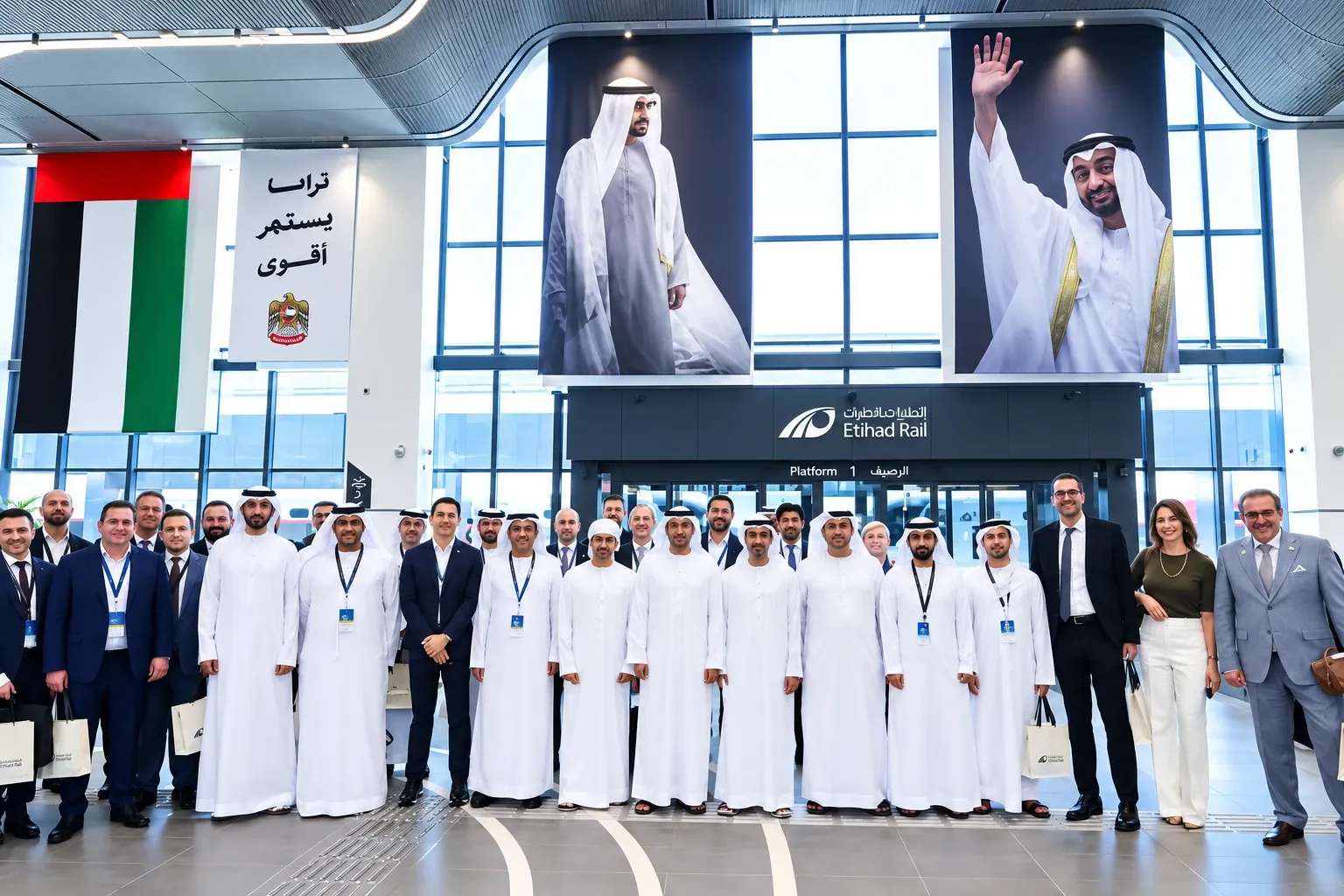
Market ceremony moves onto the rails

From science Olympiad to Silicon Valley
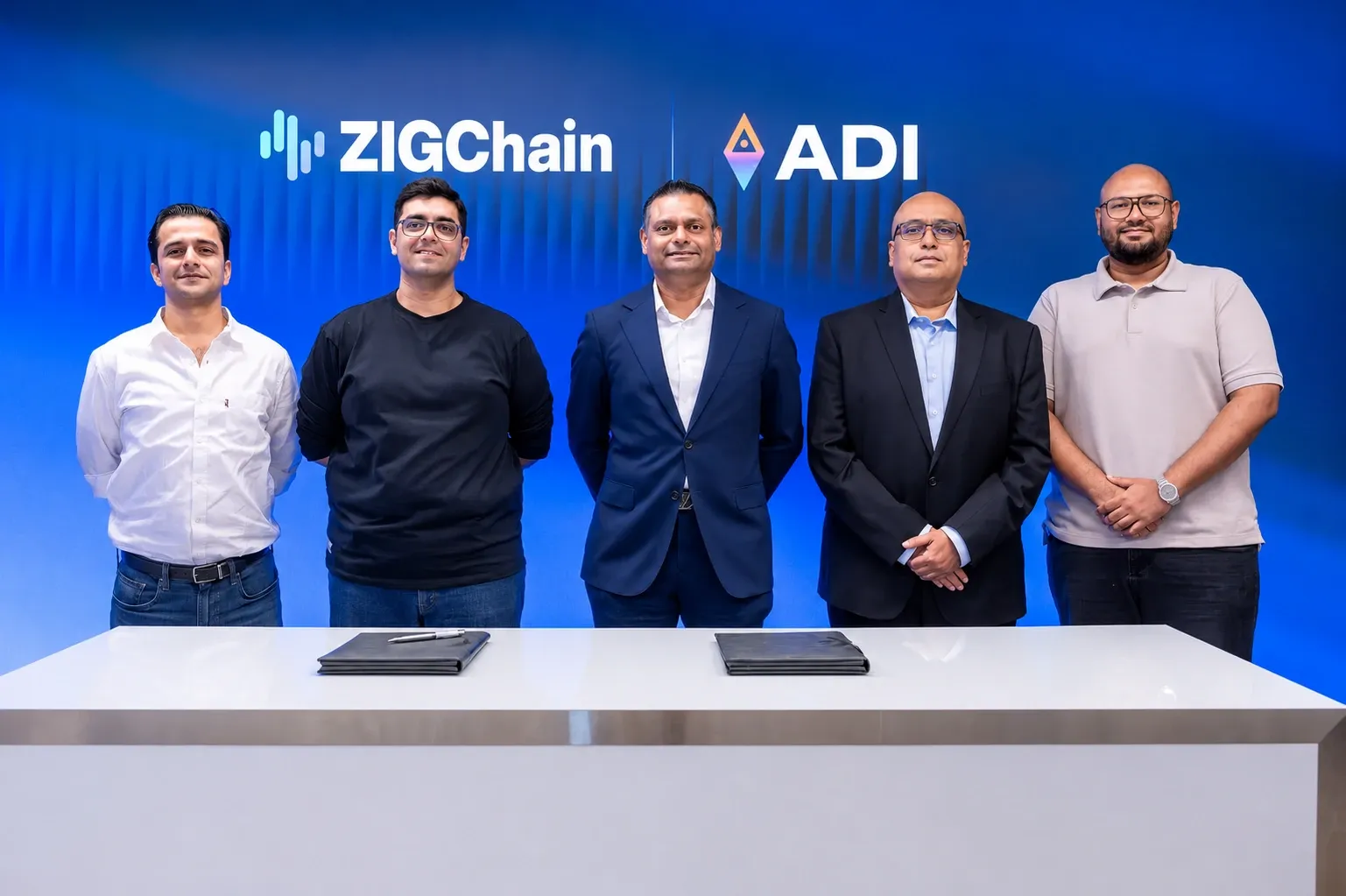
Gulf firms target digital finance infrastructure
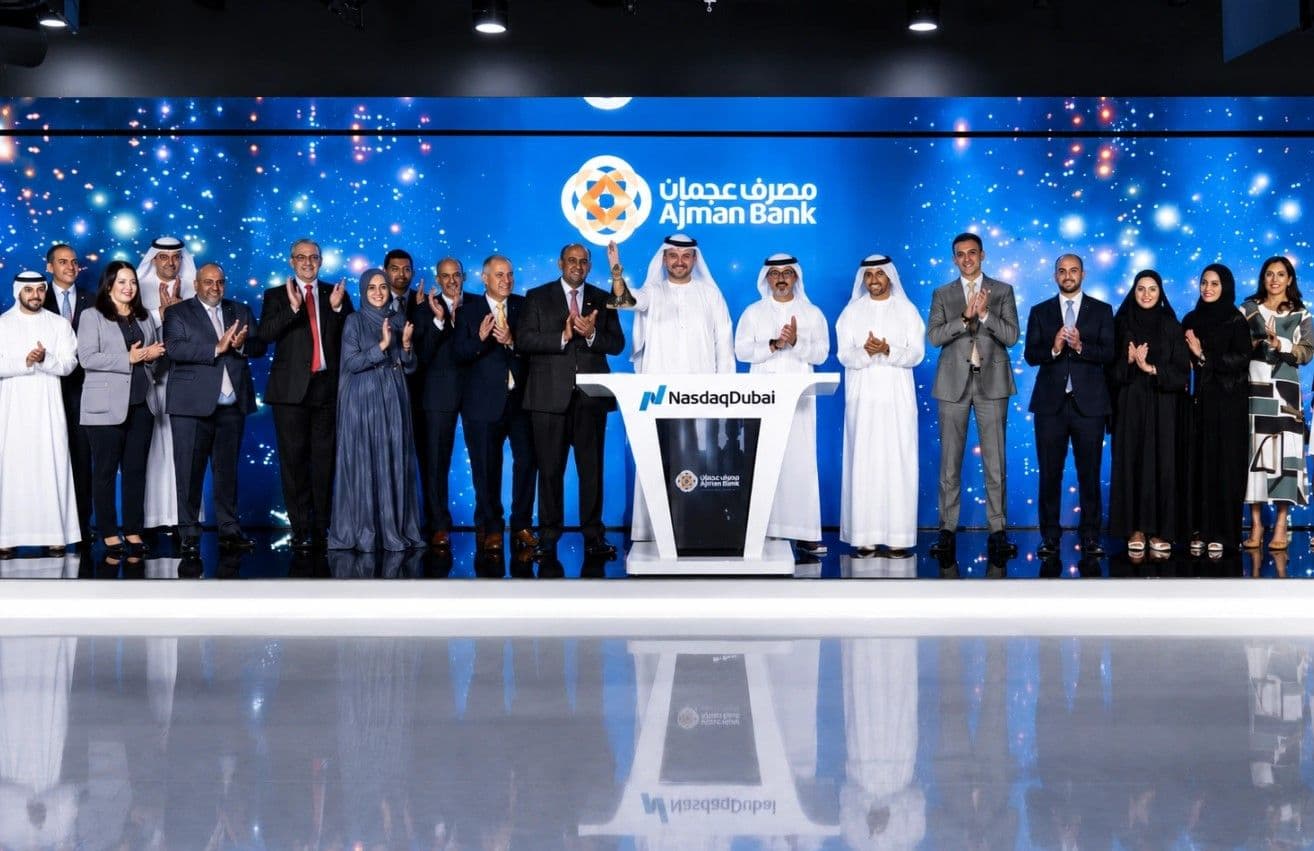
Nasdaq Dubai welcomes Ajman Bank’s $300 million Sukuk

Stay ahead with the latest updates, insights, and trends shaping the world of finance, investment, blockchain, digital business, fintech, technology, and global markets.
