

 Sam Altman and UAE investors discuss a $50 billion next step for OpenAI. (Unsplash)
People familiar with the matter say the talks could value the artificial intelligence company at between $750 billion and $830 billion, according to a Bloomberg report, reflecting both OpenAI’s ambition and the soaring cost of building advanced AI systems.
Altman has recently traveled to the region, meeting with investors connected to some of the most influential state-backed funds in Abu Dhabi. The conversations are still at an early stage, and the size and structure of any deal could change. Still, the scale being considered highlights how dramatically the funding needs of leading AI developers have expanded.
OpenAI has also recently held talks with Amazon about raising at least $10 billion. Earlier reporting from The Information indicated that OpenAI had already been exploring fundraising discussions at valuations approaching $750 billion, suggesting investor appetite has remained strong despite the eye-watering numbers.
Behind these talks lies a simple reality: building frontier AI has become extraordinarily expensive. OpenAI has raised billions of dollars in recent years to fund the chips, data centers, and highly specialized talent required to train and operate large-scale models. Despite its global profile and rapid adoption, the company is not yet profitable and has committed to spending more than $1.4 trillion on AI infrastructure in the coming years.
That long-term spending commitment is reshaping where OpenAI looks for capital. Traditional venture funding alone is no longer sufficient for projects of this scale. Sovereign wealth funds and state-linked investors, particularly in the Middle East, have emerged as some of the few sources capable of supporting investments measured in tens or even hundreds of billions of dollars.
Abu Dhabi has become a focal point for this strategy. OpenAI has previously raised funding from MGX and partnered with G42 to develop a large data center in the United Arab Emirates. These initiatives align with the UAE’s broader push to establish itself as a global hub for artificial intelligence, advanced computing, and digital infrastructure.
OpenAI’s outreach to Middle Eastern capital mirrors a broader trend across the AI sector. Rival developers are facing similar financial pressures as competition intensifies and computing demands surge. Anthropic, a major OpenAI competitor, is also reported to be in talks to raise a large new funding round at a valuation of around $350 billion. xAI, founded by Elon Musk, has likewise sought backing from deep-pocketed investors to scale its infrastructure.
At the same time, OpenAI faces mounting pressure from established technology giants. Google and other major players are rapidly embedding generative AI into search, productivity software, and cloud platforms. While ChatGPT remains one of the most recognizable AI products in the world, maintaining that position increasingly depends on access to compute power and capital, not just model performance.
OpenAI was most recently valued at $500 billion in the fall of 2025. A new round at the levels now being discussed would mark a sharp jump in valuation in a short period, underlining how aggressively investors are pricing AI’s potential to reshape industries ranging from software and media to healthcare and finance.
Middle Eastern investors are drawn by more than financial returns. Strategic stakes in leading AI companies offer access to cutting-edge technology, influence over future infrastructure decisions, and alignment with national ambitions to diversify economies and build leadership in advanced technologies. Securing sovereign-backed capital could give OpenAI the long runway needed to pursue its long-term vision at a scale few private companies have ever attempted.
Any deal remains far from finalized, but the talks point to a shifting center of gravity in AI finance. With the cost of building advanced artificial intelligence continuing to climb, the next phase of the AI boom may be shaped just as much by global capital hubs like Abu Dhabi as by Silicon Valley.

Business payments get a digital overhaul
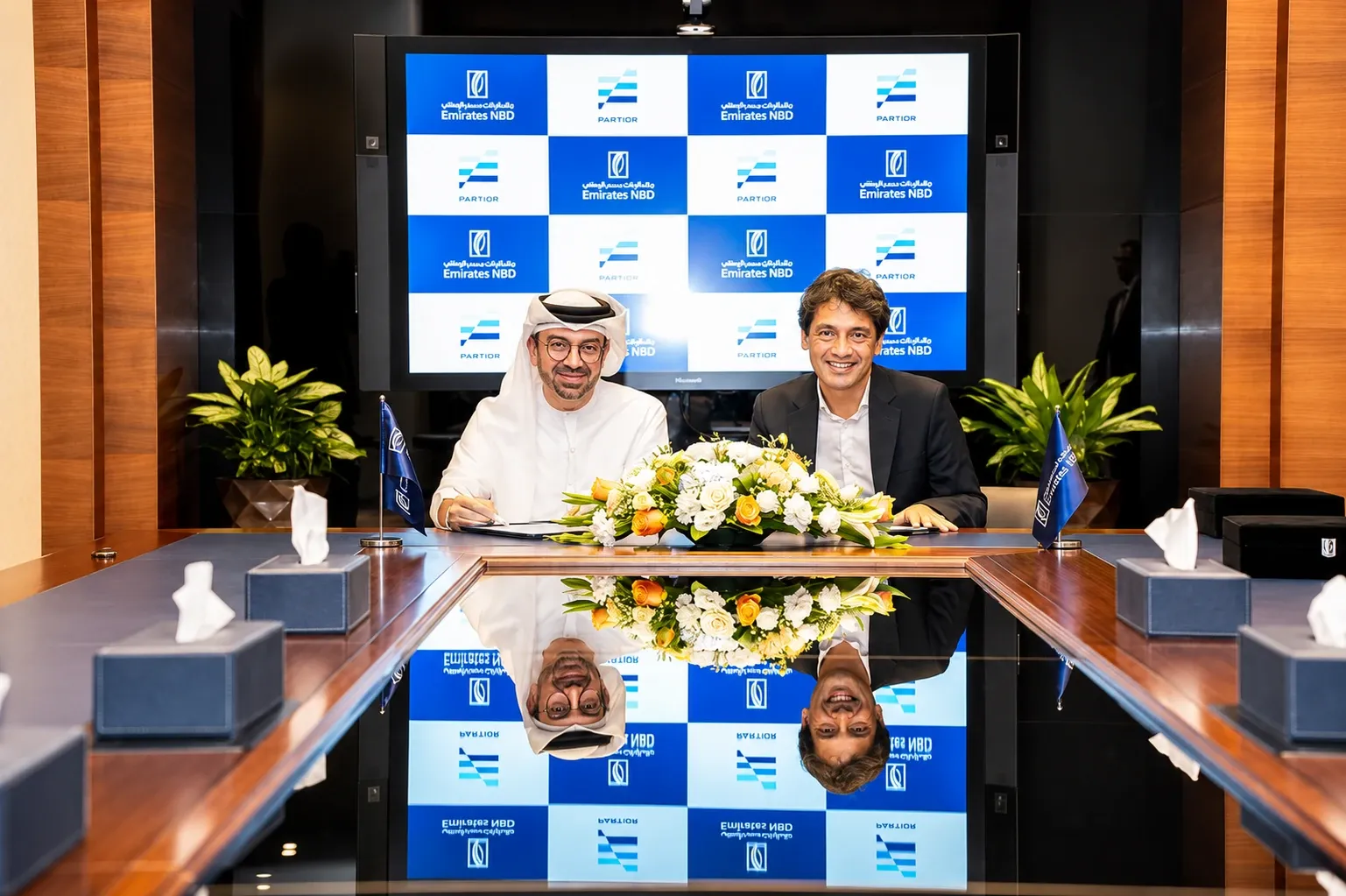
Partior powers faster cross-border settlements
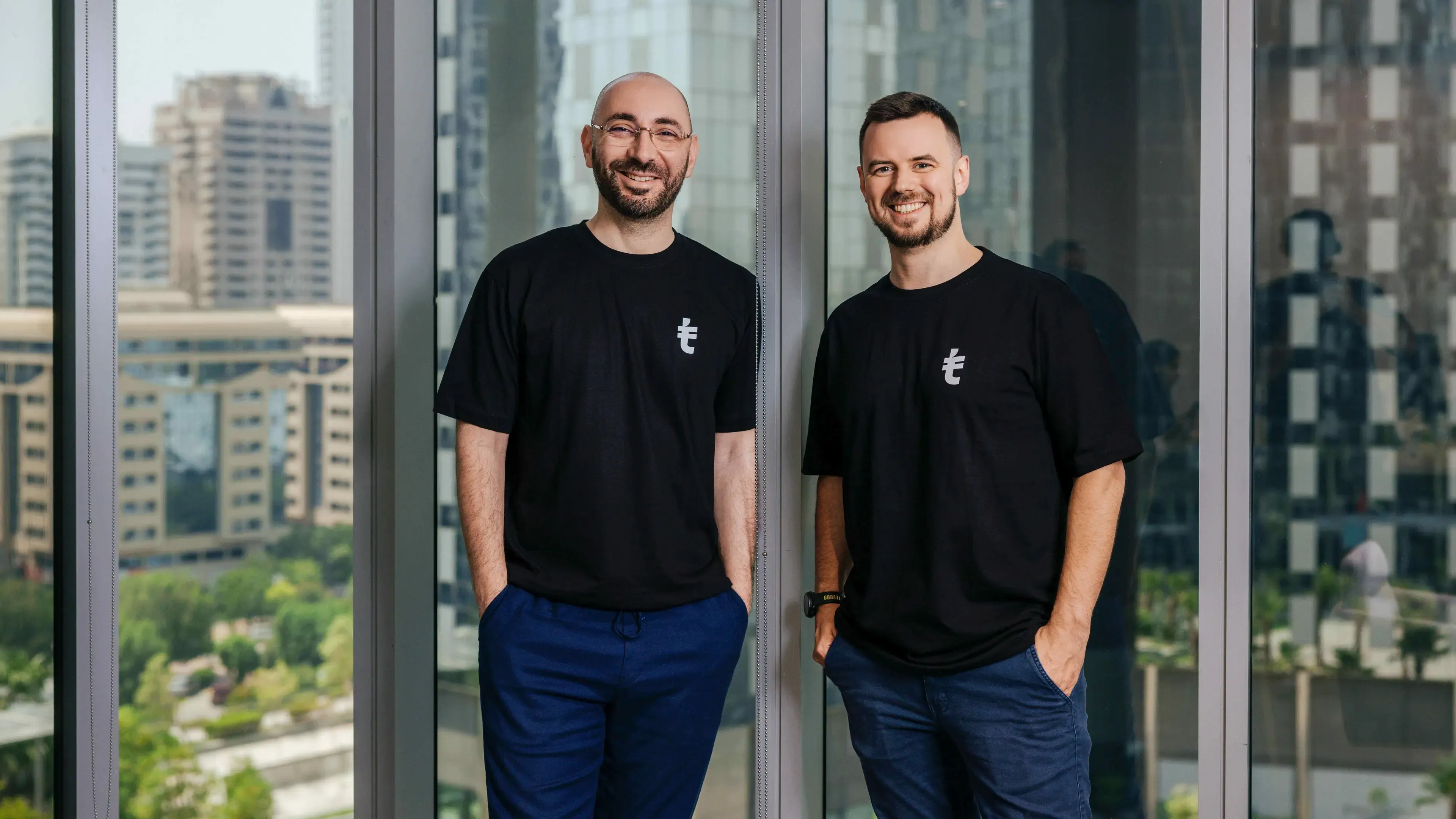
Everyday finance gets a Tabby upgrade
e& closes a major investment chapter

Stay ahead with the latest updates, insights, and trends shaping the world of finance, investment, blockchain, digital business, fintech, technology, and global markets.
