
 BitGo sets IPO in motion as it eyes NYSE debut. (Unsplash)
In its announcement, the digital asset custody firm said it has begun offering Class A common stock in an IPO that combines newly issued shares with shares sold by existing stockholders. The company plans to list on the New York Stock Exchange under the ticker symbol BTGO, with an expected price range of $15 to $17 per share. If priced at the top of that range, the offering could raise up to around $201 million.
The offering includes the sale of approximately 11 million new shares by BitGo itself, alongside a smaller number of shares offered by certain existing investors. As is typical for IPOs, underwriters have also been granted a 30-day option to purchase additional shares, which could increase the overall size of the deal. Proceeds from the shares sold by the company are expected to support general corporate purposes, including continued investment in its platform and long-term growth initiatives.
Founded in 2013, BitGo has built its business around providing secure digital asset infrastructure, with a focus on institutional clients rather than retail users. The company operates in the background of the crypto economy, offering custody, wallets, settlement, staking, and trading services that enable other firms, including financial institutions and corporates, to interact with digital assets securely and at scale.
BitGo’s move toward a public listing reflects how parts of the crypto industry are maturing beyond early-stage experimentation. Rather than positioning itself as a consumer trading platform or token issuer, the company has long emphasized its role as infrastructure, the operational layer that supports how digital assets are stored, moved, and managed. That focus may appeal to investors looking for exposure to the crypto sector without direct reliance on retail trading volumes or short-term price cycles.
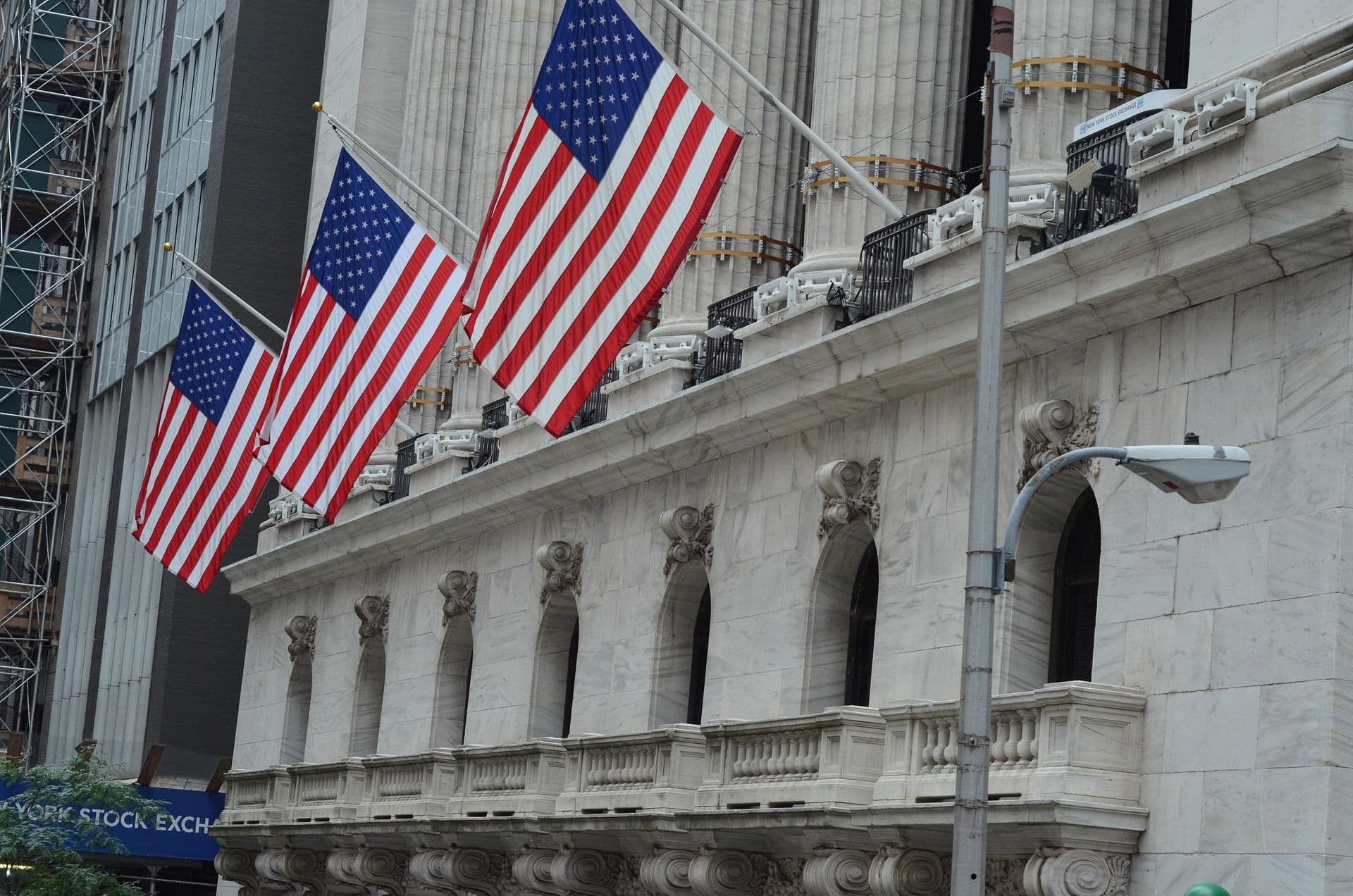 BitGo’s IPO reflects growing investor interest in crypto custody and infrastructure services. (Pixabay)
The timing of the IPO also comes as broader market sentiment toward new listings shows signs of stabilizing. While IPO activity has been uneven over recent years, companies with clearer revenue models and institutional customer bases have begun testing public markets again. BitGo’s offering suggests confidence that investor appetite exists for crypto-adjacent businesses that prioritize compliance, security, and long-term relevance over rapid expansion.
The underwriting group for the transaction is led by Goldman Sachs and Citigroup as joint book-running managers, supported by a wide syndicate of global and regional investment banks. The breadth of the underwriting lineup highlights the scale of the offering and the level of institutional involvement behind it.
As with all IPOs, BitGo’s registration statement must be declared effective by the U.S. Securities and Exchange Commission before shares can be sold or begin trading. Final pricing will ultimately depend on market conditions and investor demand during the book-building process, and there is no guarantee the offering will be completed on the proposed terms.
BitGo’s public debut marks an important moment for crypto infrastructure companies more broadly. Public listings in the sector have largely been dominated by exchanges and consumer-facing platforms, while firms providing behind-the-scenes services have mostly remained private. A positive reception for BitGo could help shift attention toward the foundational layers of the digital asset ecosystem.
The IPO represents more than just a capital raise. It signals a transition into a new phase as a publicly accountable company, operating under increased scrutiny while gaining access to deeper pools of capital. How investors respond once the shares hit the market may offer an early indication of how Wall Street is valuing the next stage of crypto’s institutional evolution.
Gulf firms target digital finance infrastructure

From science Olympiad to Silicon Valley

Saudi startup scales its AI ambitions

Nasdaq Dubai welcomes Ajman Bank’s $300 million Sukuk

Stay ahead with the latest updates, insights, and trends shaping the world of finance, investment, blockchain, digital business, fintech, technology, and global markets.

