
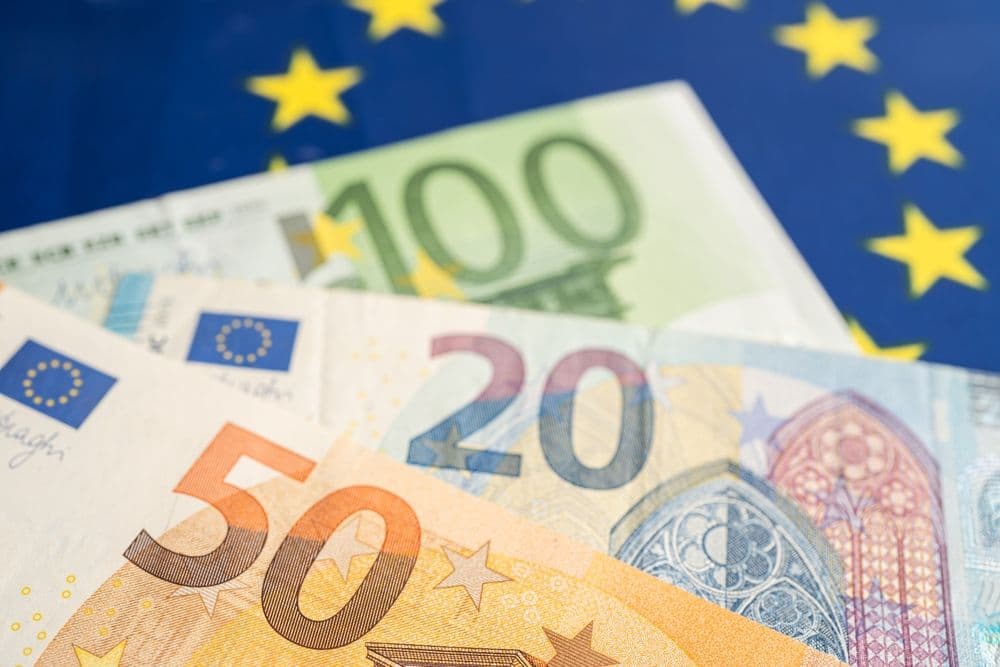
 Euro stablecoins rebound under MiCA as new DECTA report shows surge in demand and activity. (Shutterstock)
The Euro Stablecoin Trends Report 2025 shows a sector that has not only stabilized after a period of contraction but has entered a phase of accelerated growth in both supply and usage. According to DECTA, euro-pegged stablecoins have moved from being structurally marginal to becoming more relevant across trading, payments, and emerging consumer activity. The findings present one of the clearest early indicators of how MiCA has begun reshaping Europe's digital-asset landscape, particularly in the area of regulated tokenized money.
DECTA suggests the market capitalization of euro-stablecoins topped approximately $500 million by May 2025, representing a robust bounce-back from the 48 percent decline witnessed in the 12 months leading up to the full implementation of MiCA. At the end of 2025, combined market capitalization for the sector had more than doubled compared with pre-MiCA levels, reflecting year-on-year growth of approximately 102 percent. This bounce, according to DECTA, is coincident with the establishment of harmonized regulatory standards for issuers, including those related to reserves, transparency, redemption rights and authorization procedures.
Transaction activity saw an even sharper increase: according to the aggregated data of DECTA, euro-stablecoin volumes increased from approximately $383 million per month before MiCA to about $3.83 billion, an increase of nearly 900 percent. The report pegs this jump as an important signal that demand is beginning to shift from speculative trading into wider transactional usage. The report doesn't quantify what proportion of this activity is due to payments as opposed to trading but does note a broader set of market participants are now engaging with euro-pegged tokens than in prior years.
However, the growth has not been evenly distributed. DECTA identifies EURS as one of the top performers, its supply surging from about $38.2 million to $283.9 million, a 644 percent increase by October 2025. The pace of acceleration for big tokens in terms of the volume of transactions was equally spectacular: EURC surged 1,139 percent, while EURCV went up by 343 percent over the same period. Newer entrants like EURe, or EUROe, strengthened their positions, especially among users looking for MiCA-compliant options.
This is one of the most significant structural trends that came out of the report. Indeed, according to DECTA, fully MiCA-compliant issuers, or those whose models have aligned with the new regulations, have absorbed most of the post-2024 expansion, while usage and liquidity of some of the older euro-stablecoins without regulatory clarity or relying on unconventional reserve structures have declined. It based this conclusion on an observation that regulatory alignment now shapes which tokens are gaining traction, with increasing market confidence due to transparency and oversight.
DECTA's report also includes a consumer-behavior study that surveyed over 1,160 EU residents who had previously used cryptocurrency for online purchases. The results show that while euro-stablecoins are still a small portion of consumer crypto payments-only 3.6 percent of last-used transactions in the survey-awareness and willingness to use them is growing. More than half of respondents said they would be very likely to use cryptocurrency for purchases again within the next year, highlighting a potential pipeline of future adoption as regulated euro options mature.
Complementing the consumer survey, DECTA also analyzed search-engine data across the EU to assess changes in public interest. A large increase in stablecoin-related searches occurred in a number of member states after MiCA's implementation. Finland saw a 400 percent increase in queries related to purchasing a stablecoin, while Italy witnessed a 313.3 percent growth in such searches. Other countries had more modest but still significant increases. DECTA reports that though search volume doesn't equate directly to usage, it reflects a rising degree of interest in euro-denominated digital assets.
Notwithstanding this rapid growth, DECTA emphasizes that the sector is still in its infancy. Consumer adoption remains narrow, and most euro-stablecoin transaction volume continues to be derived from the broader crypto-economic activity rather than everyday retail spending. The report also suggested very unequal adoption across EU member states, reflecting wide discrepancies in technological engagement, market maturity, and regulatory comprehension. That said, the trend does look positive: instead of flatlining, euro-stablecoins started to grow along multiple vectors at the same time, such as supply, liquidity, transaction activity, and consumer attention.
The important conclusion from the DECTA report is that MiCA's regulatory clarity has been central to the rebound. Instituting consistent requirements throughout the EU, the framework decreased ambiguity for emitters and institutional users and set forth a standard expectation of reserve backing and operational behavior. While the report does not go so far as to forecast long-term market prospects, it does indicate that the stabilization provided by MiCA has led to a foundation being established which can support better durability in growth.
What the DECTA report ultimately illustrates is a market transitioning from fragmentation to structured expansion. Euro stablecoins remain small compared with the wider global stablecoin ecosystem, but the direction of movement has changed decisively. As supply rises, transaction volumes accelerate, and consumer interest increases, the euro stablecoin market is displaying characteristics of becoming a meaningful component in Europe's regulated digital-asset environment. Whether this momentum continues depends upon scaling by issuers, how consumers respond to regulated digital money, and how the post-MiCA environment evolves in 2026 and beyond.

UAE visitors gain easier banking access

Partior powers faster cross-border settlements

Abu Dhabi backs round-the-clock clean power
e& closes a major investment chapter

Stay ahead with the latest updates, insights, and trends shaping the world of finance, investment, blockchain, digital business, fintech, technology, and global markets.

