

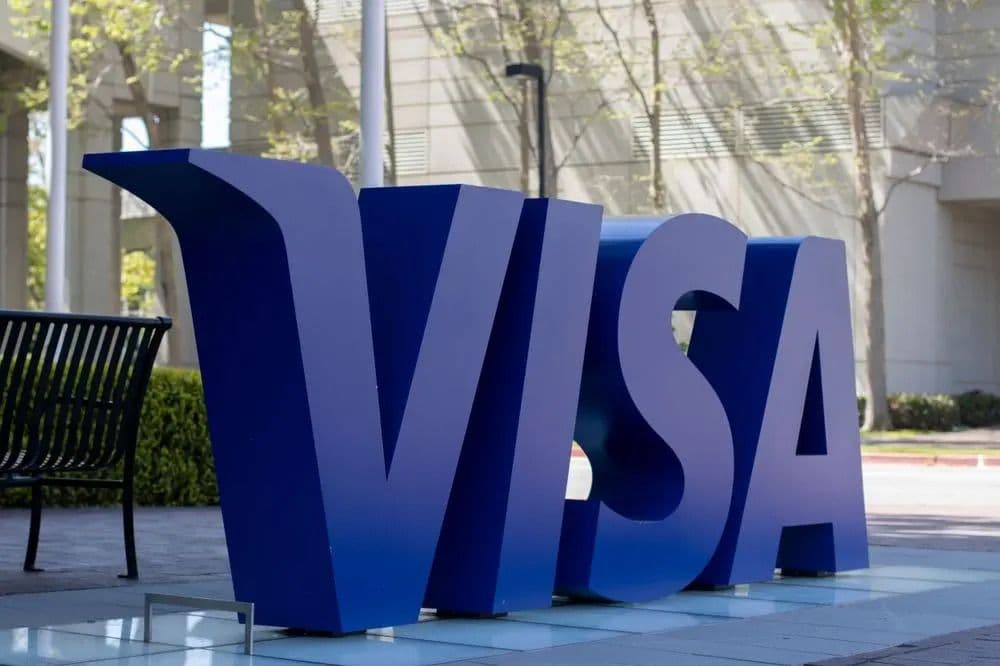
 Visa redraws its regional map to reflect Gulf payments growth. (Shutterstock)
The regional realignment is being paired with a change in leadership. Visa has appointed Fadi Moukaddem as Senior Vice President and Group Country Manager for the UAE, Kuwait and Qatar. His role will span overall strategy, partnerships, and operations, with a focus on supporting continued growth in digital payments and commerce across the Gulf.
Visa framed the development as a reflection of how quickly payment habits are evolving across the region. The UAE, Kuwait and Qatar have each seen rapid progress in electronic and contactless payments, driven by consumer demand for convenience and by broader national efforts to modernize financial infrastructure. By creating a dedicated leadership setup, Visa is positioning itself to respond more directly to local market needs rather than managing them from a distance.
Visa said the changes are intended to bring senior leadership and decision-making closer to customers and partners across the three markets. Tareq Muhmood, Regional President, CEMEA, Visa, said the shift reflects the growing role the UAE, Kuwait and Qatar play in shaping the future of payments. “This evolution brings our leadership and expertise even closer to the clients and partners shaping the future of commerce in the UAE, Kuwait and Qatar,” he said. “These markets are among the most ambitious and forward-looking in the world when it comes to payments innovation. With Fadi’s deep regional expertise and proven leadership, we are well positioned to deliver the next phase of growth together with our partners.”
For Moukaddem, who joined Visa more than a decade ago and previously served as Regional Chief Financial Officer across dozens of markets, the appointment represents a shift from oversight to execution. Visa said his focus will be on deepening collaboration with banks, fintech firms, merchants and regulators, and on helping partners scale digital payment solutions in a secure and efficient way.
While the announcement is organizational in nature, it reflects a much bigger trend playing out across the Gulf. Cash is steadily giving way to cards, mobile wallets and online payments, reshaping how consumers shop and how businesses operate. Governments across the region have also placed digital transformation at the center of their economic agendas, accelerating the rollout of digital public services and encouraging innovation across financial services.
Visa’s decision to carve out a dedicated sub-region suggests it sees the UAE, Kuwait and Qatar not just as high-growth markets, but as strategic hubs within its global network. The UAE hosts Visa’s regional headquarters and innovation center, while Kuwait and Qatar have each built increasingly sophisticated payments ecosystems of their own. Grouping the three under a focused leadership structure allows Visa to pursue a more tailored approach while recognizing the similarities in how these markets are evolving.
The company highlighted its continued work across areas such as contactless payments, tokenization, digital wallets and secure online commerce. These capabilities have become central to everyday transactions in many parts of the world, and Visa appears intent on ensuring they are rolled out quickly and reliably across the Gulf as adoption accelerates.
At the same time, Visa acknowledged that each market comes with its own regulatory frameworks, consumer behaviors and commercial priorities. The new structure is designed to balance regional alignment with local execution, giving Visa the flexibility to adapt its products and partnerships without losing scale.
Banks and fintech firms operating in the UAE, Kuwait and Qatar could see closer engagement with Visa and quicker access to new capabilities. The impact on merchants and consumers may be less visible, but could emerge through smoother checkout experiences, wider acceptance of digital payments, and ongoing improvements in security and reliability.
More broadly, Visa’s announcement highlights how global financial infrastructure providers are adapting as emerging markets mature. Rather than treating fast-growing regions as extensions of larger territories, companies are increasingly building leadership structures that reflect local momentum and complexity.
Visa described the creation of the new sub-region as a long-term commitment to the Gulf rather than a short-term organizational tweak. With digital payments continuing to reshape commerce across the Middle East, the company’s closer alignment with the UAE, Kuwait and Qatar positions it to remain a central player in the region’s next phase of financial and technological growth.

From science Olympiad to Silicon Valley

Gulf firms target digital finance infrastructure

Saudi startup scales its AI ambitions
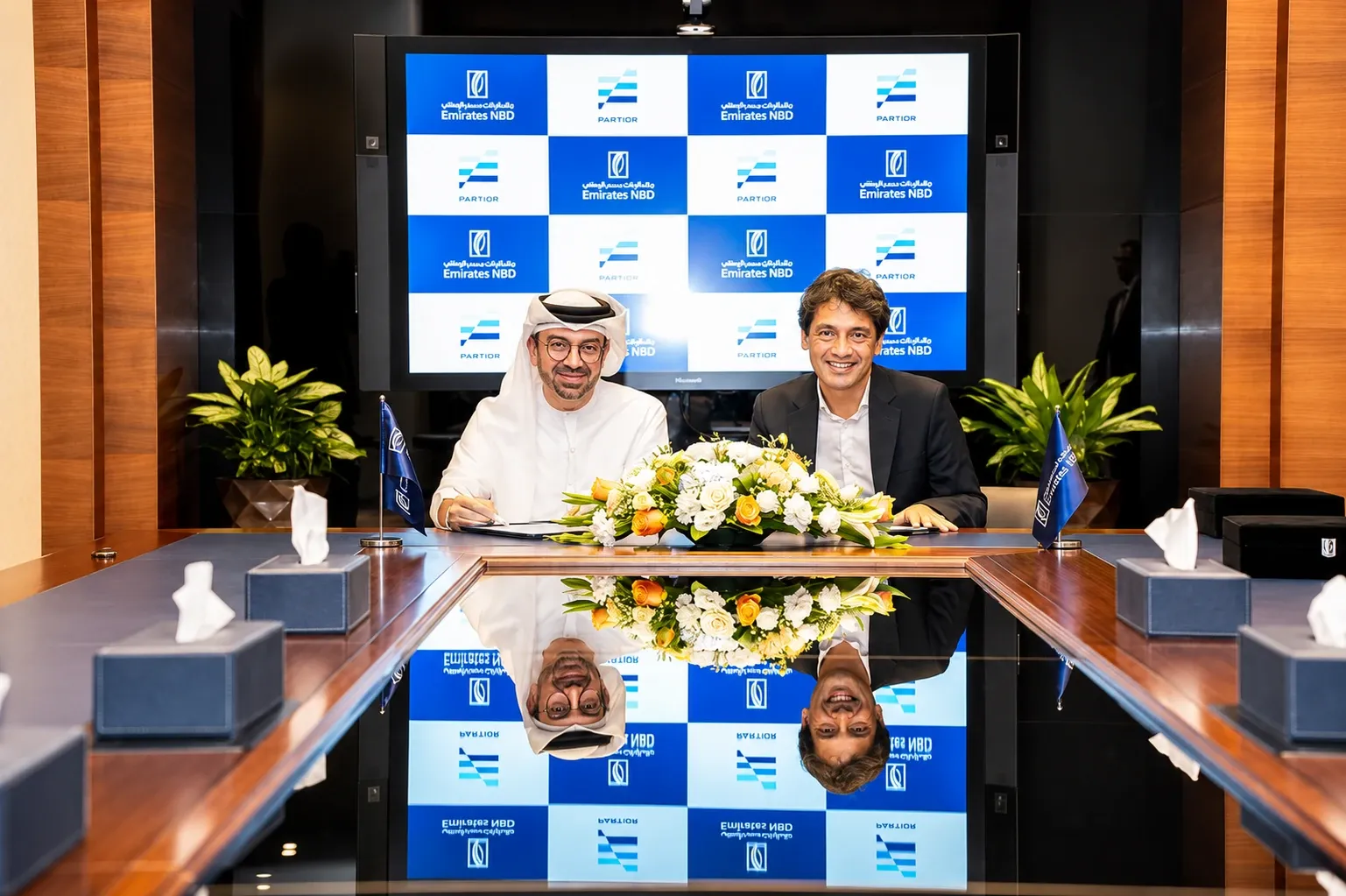
Partior powers faster cross-border settlements

Stay ahead with the latest updates, insights, and trends shaping the world of finance, investment, blockchain, digital business, fintech, technology, and global markets.
