UAE-based mobility fintech Naran has raised $10 million in a combination of equity and debt financing from Dubai-based investment firm Landel, providing fresh capital for the company as it expands its vehicle-financing operations across Latin America and Africa.
The financing is intended to support fleet growth in Colombia, Peru, Senegal and Côte d’Ivoire, while Naran also prepares to enter additional markets, including countries in the Middle East and North Africa. The company has separately identified Paraguay as another planned market, with a launch targeted for September 2026.
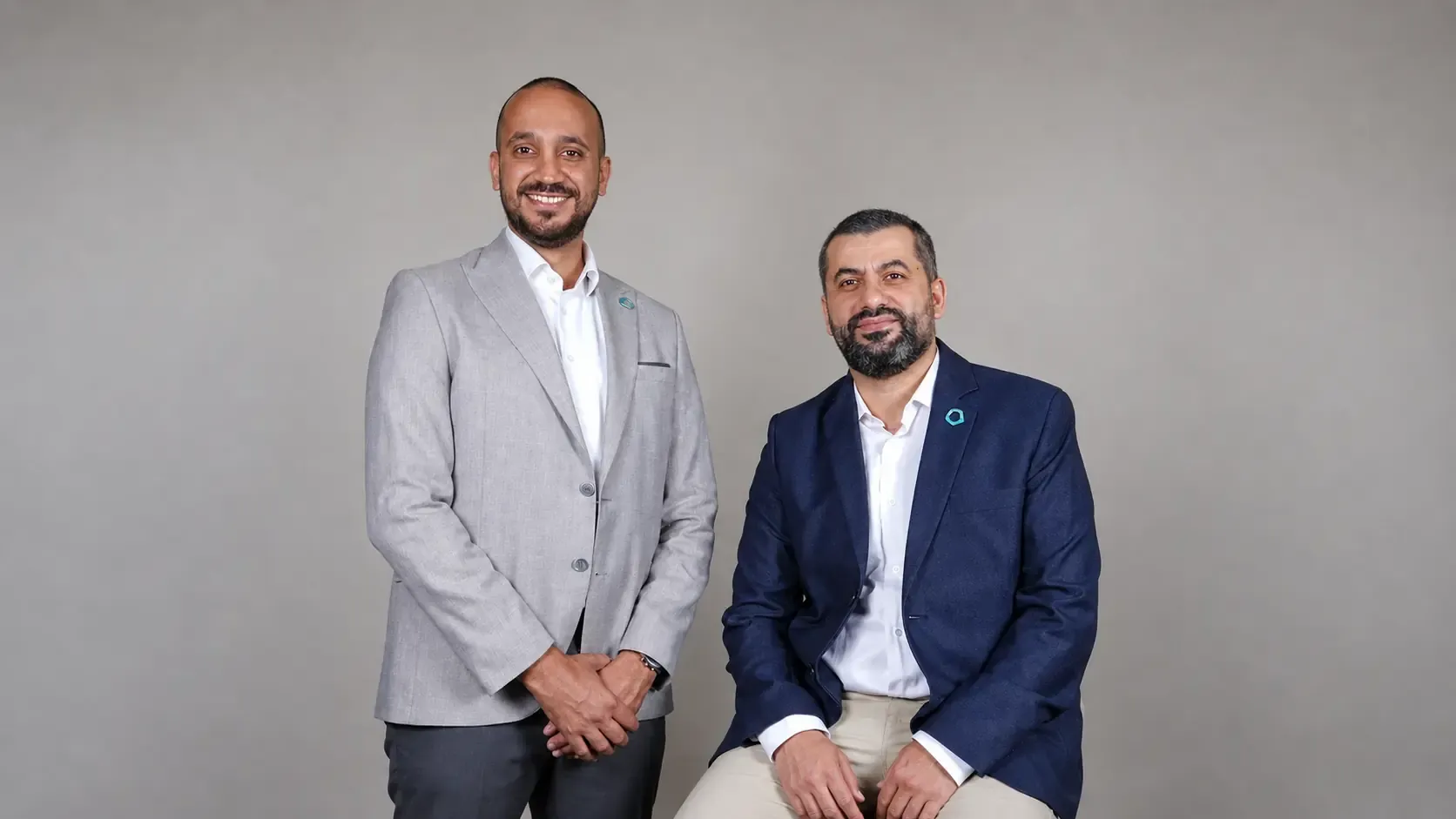
Founded in 2025 by Bayaskhalan Alexeev and Alexander Gubarev, Naran operates a rent-to-own model for cars and motorcycles used by ride-hailing and delivery drivers. The company currently operates in Colombia, Peru and Senegal, offering access to vehicles without requiring an established credit history. Payments, insurance, GPS tracking and support are incorporated into the service.
A Different Model for Vehicle Financing
Naran’s model is built around drivers who may have difficulty qualifying for conventional vehicle loans because their income is irregular or their formal credit history is limited. Rather than acting solely as a lender, the company purchases vehicles and places them with drivers under rent-to-own arrangements. Financing periods run from 12 to 60 months, according to the funding announcement, while Naran manages the vehicles through its own fleet infrastructure.
The approach grew out of the founders’ experience in ride-hailing markets. Alexeev said Naran was developed after the founders’ work in Yandex’s international ride-hailing operations highlighted vehicle availability as a constraint on driver supply in parts of Africa and Latin America. He also said the company was launched with Landel’s support and began operations in Bogotá.
Naran also works with mobility platforms including Yango and inDrive. Its internal system handles functions such as driver onboarding, scheduled payments, vehicle utilization, telematics and maintenance. Instead of maintaining separate operational systems in each country, the company is seeking to use that infrastructure across its markets as it adds vehicles and enters new territories.
Fleet Technology Takes a Larger Role
The company’s plans extend beyond financing vehicles held within its own fleet. Naran says it intends to make parts of its fleet-management infrastructure available to third-party operators as software-as-a-service, while also considering asset-backed financing for fleet operators seeking additional vehicles. The company has indicated that acquisitions of fleet businesses could also be considered where commercially appropriate.
That strategy brings the technology layer of the business closer to the financing model. Each vehicle agreement generates payment and operating data, while GPS and telematics provide information about the underlying asset. Naran has said it wants to use repayment records created through its vehicle contracts as a foundation for additional asset-backed financial products. The expansion, however, remains an execution challenge: operating vehicle fleets across several jurisdictions requires local servicing, collections, maintenance and risk management alongside the technology itself.
Landel’s involvement is consistent with its stated investment strategy. The Dubai-headquartered firm says it deploys its own capital into real assets and operating businesses, with mobility investments in Latin America and Africa forming one of its three investment verticals. Landel describes the strategy as backing asset-based fleet businesses serving ride-hailing markets, with a geographic footprint that includes Colombia, Peru, Senegal and Côte d’Ivoire, markets that overlap with Naran’s expansion plans.
Naran has set longer-term targets of operating in 10 countries by 2030 and deploying a fleet comprising 10,000 cars and 20,000 motorcycles. The latest $10 million financing gives the company additional capital to pursue that expansion while developing the broader fleet-finance and software model alongside its existing rent-to-own operations.