Real-world asset tokenization has moved beyond early experiments, with financial institutions increasingly testing blockchain infrastructure for lending, funds and other traditionally administered assets. Life insurance is among the less conventional markets entering that discussion.
Infineo is developing blockchain-based products tied to life insurance. The company describes LifeCoin as a token backed dollar for dollar by cash surrender value and LifeNotes as a structure intended to put policy value to work while preserving the underlying insurance arrangements.
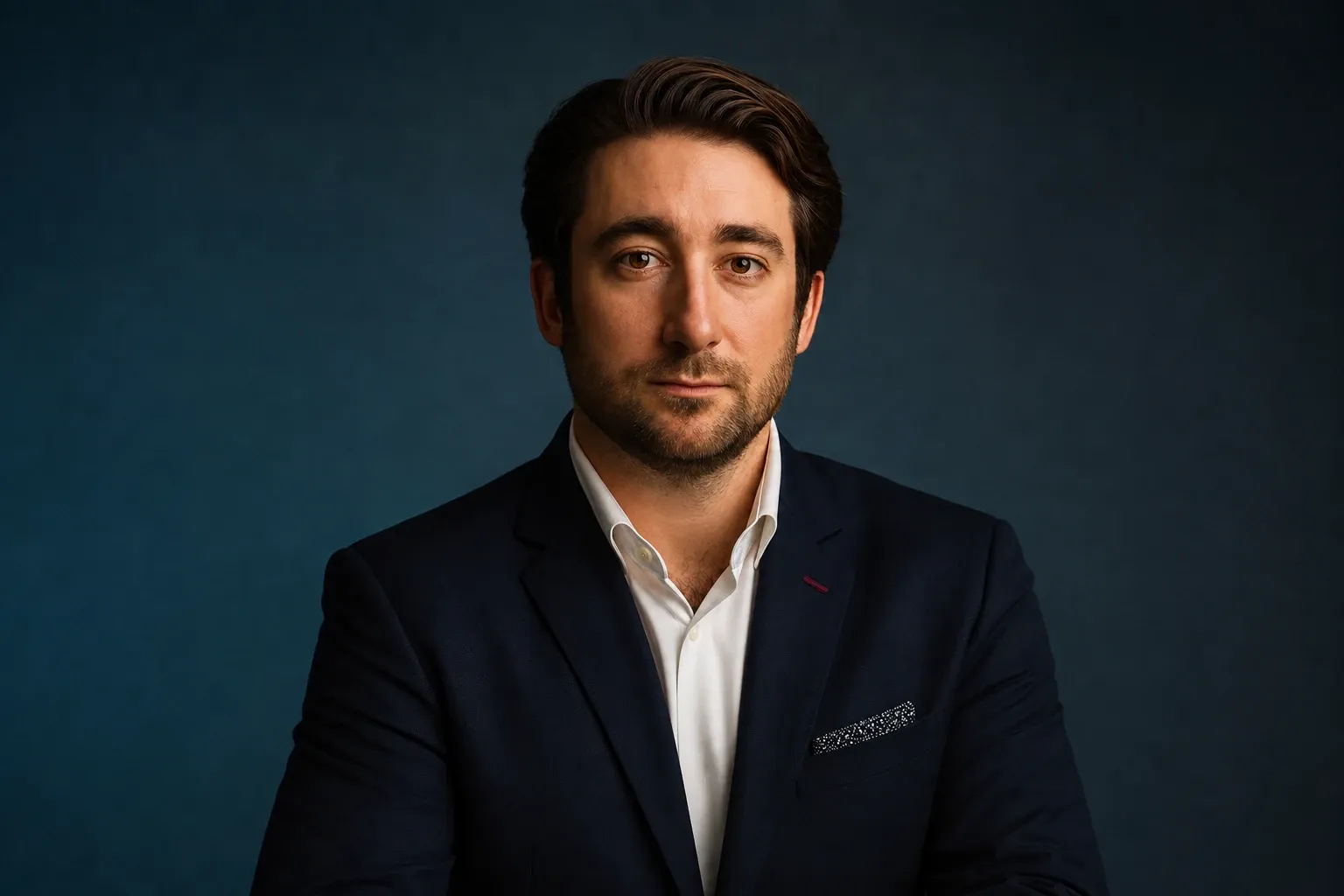
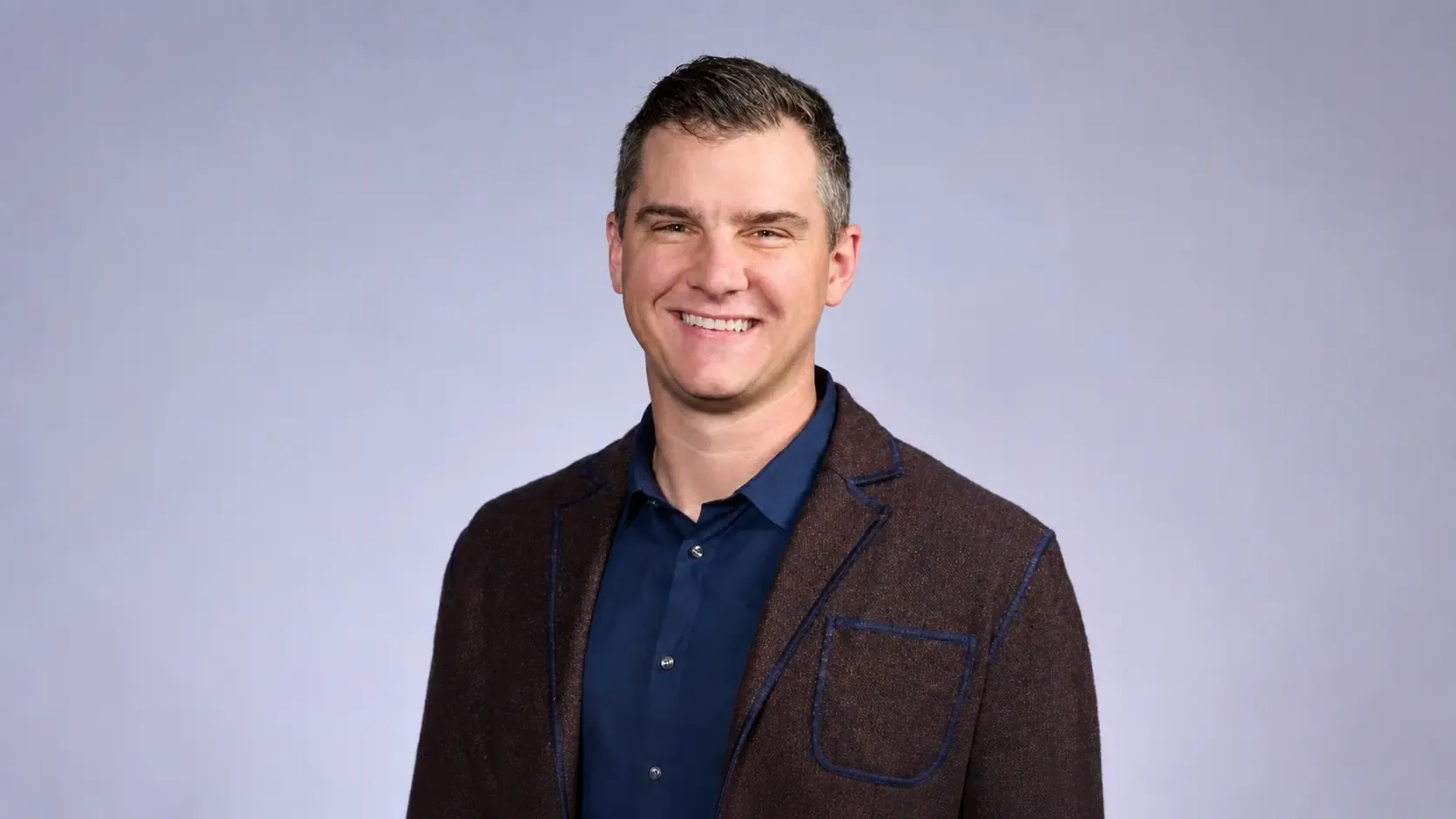
Following the Blockchain Futurist Conference in Toronto on July 21–22, Block News International spoke in writing with infineo CEO Jay Rogers about the company’s approach, regulatory considerations and the conditions he believes are necessary for tokenized assets to gain wider adoption in traditional finance.
Q. What problem are you trying to solve by bringing tokenization to life insurance and why is now the right time for these markets?
Life insurance is the purest form of blue chip collateral in existence - and for a century, only institutions have been able to use it that way. Our thesis is simple: enable retail users to execute institutional financial maneuvers. Trillions of dollars of life insurance cash value sit dormant in policies because the plumbing to put it to work has never existed for ordinary policyholders.
Why now? Because the technology has stopped being theoretical. Figure has put $15–20 billion of HELOCs on chain, and most of those clients never knew blockchain was part of the process — they just knew they got better pricing. We've also proven the underlying financial mechanics in the analog, off chain, inside the LifeNotes Trust. When the rails are built, the asset is proven, and the institutions are leaning in rather than pushing back — that's the moment.
Q. Tokenization has been discussed for years. What has changed in 2026 that makes adoption more realistic than previous cycles?
The people saying it changed. You didn't hear Jamie Dimon in 2021 saying all real-world assets will be on chain within a decade. Now even Jamie Dimon says it — and the heads of the major global financial institutions are saying it with him. BCG projects tokenized real-world assets could reach roughly $18.9 trillion by 2033. That's not a crypto-conference number; that's a boardroom number.
I lived the other side of this. I didn't own any crypto until 2021, and when I finally jumped in, I bought NFTs and altcoins and plugged my wallet into yield farms. Looking back, I probably deserve to have lost everything - luckily, I unplugged my wallet. That cycle was speculation wearing a technology costume. What's different in 2026 is that the speculation has burned off and the infrastructure remains. Blockchain is just technology, and this particular technology is coming - it's not a question of if, or even really when.
The adoption also looks different now: it's invisible. Nobody is asking retail users to become crypto natives. Institutions are putting real assets on chain because it's cheaper, faster, and more transparent, and the end client simply experiences a better product. That's how technology actually wins. Added value is what translates into adoption.
Q. Life insurance is a multi-trillion-dollar asset class. How does tokenization improve accessibility, liquidity, or efficiency compared with traditional ownership models?
Start with transparency, because everything else flows from it. If you want to borrow against your life insurance policy today, you have to prove to the lender that nobody else has already borrowed against it - a slow, paper-driven exercise. On chain, anyone can see instantly that the asset is unencumbered. That's not just transparency; it's speed in transparency, and speed in transparency is what turns a sleepy asset into usable collateral.
Then there's efficiency of administration. We've spent years watching value leak out of these structures through what I call multiple tentacles of drag coefficient - manual processes, reconciliation, verification, waiting. Tokenization enables the asset to act in its most efficient form and unlocks yield that inefficiency was quietly eating.
And finally, accessibility. This is where LifeCoin comes in. LifeCoin is blue chip digital collateral - each LifeCoin represents one dollar of cash surrender value, meaning the cash value inside a life insurance policy, dollar-for-dollar backed. We're taking what institutions have done historically with these large assets and the maneuvers they've been able to execute, and we're bringing it to retail users on chain.
Q. What regulatory or compliance challenges have been the most difficult to overcome, and how have they shaped your platform?
Compliance is not a consideration for us. It is the consideration. That posture shaped every architectural decision we've made.
The hardest work wasn't fighting the rules; it was designing around realities most technologists never encounter. Life insurance carries a century of settled law and tax treatment. In our LifeNotes structures, for example, executives must retain ownership of their policies for the benefit to remain non-taxable so the design preserves that ownership rather than trying to engineer around it. The asset is never stripped of its value, and the carriers keep their guarantees. There's even an early-1900s Supreme Court decision deeming life insurance personal property, and people can do what they want with their personal property. We work with that grain, not against it.
I'd add that we deliberately stay out of legislative debates. Our job isn't to predict or lobby the next bill; it's to build with compliance and regulatory certainty in mind so that whatever the final rules look like, the most conservative asset class in finance arrives on chain the way regulators would want it to - carefully.
Q. How do you address concerns from institutional investors around custody, transparency, and long-term risk when tokenizing insurance-backed assets?
The skepticism is born from a good place. After 2021 and FTX, institutions earned the right to ask hard questions, and we'd rather answer them than wave them off.
On transparency, blockchain is the answer rather than the problem. Proof of reserves flows straight into the policies themselves and an institution can verify that what's there is actually there, immutably, without taking anyone's word for it. That's precisely why we use this technology. We've also take a proactive approach to auditing. For example, the LifeNotes Trust is audited by Doeren Mayhew, the largest auditor of credit unions in the country.
On long-term risk, the most important point is what we don't change. The insurance carriers keep their guarantees. These mutual companies are stalwarts of the US financial system — they're not interested in home run hits, they're interested in consistent singles and doubles, and there's a reason they weren't the ones getting bailed out in 2008 and 2009. Our entire design preserves the conservative nature of that risk profile. Tokenization adds transparency and efficiency to the asset; it doesn't add risk to it. Life insurance is a safe haven — a place people go to hedge, not to take on added risk — and it stays that way on chain.
Q. Many believe real-world assets could become one of blockchain's largest use cases. What needs to happen before tokenized assets become mainstream within traditional finance?
Three things, and none of them is a killer app.
First, the technology has to disappear. The best precedent is Figure's HELOC business: $15–20 billion on chain, and the clients didn't even know being on-chain was part of the process. They just knew they had better pricing. Mainstream adoption won't look like millions of people opening wallets. It will look like better, faster, cheaper financial products where blockchain is the invisible plumbing. Added value is what translates into adoption; ideology doesn't.
Second, the industry has to earn institutional trust asset by asset. That means compliance-first construction, regulated custody, named auditors, and real proof of reserves - not promises. Institutions move when they can verify, and blockchain's genuine gift is that it makes verification instant. Not just transparency, but speed in transparency.
Third, and this is the one people underrate, education. We're not pushing a financial product; we're pushing technological adoption. Most of the resistance I meet isn't opposition, it's unfamiliarity, and the skepticism is born from a good place. Our approach is to complement the existing institutions rather than disrupt them. Carriers, credit unions, banks — these organizations have spent a century earning trust. Bring them along, and they bring the mainstream with them.
Q. Looking ahead over the next three to five years, which asset classes do you believe are most likely to be tokenized at scale, and why?
The boring ones. The assets that tokenize at scale first will be the conservative, well-documented, cash-flowing ones where transparency and efficiency create obvious value and not the exotic ones. Home equity is already there; Figure proved that with billions of HELOCs on chain. Private credit is moving quickly for the same reason.
And then there's life insurance, a three-trillion-dollar-plus global market, and in my view the purest form of blue chip collateral in existence. I don't think people think of life insurance as sexy, and frankly, I don't think they should. That's exactly why it belongs on chain. It's contractually guaranteed, conservatively managed, and legally settled. Today its cash value mostly sits dormant. Whether it's us or somebody else, there will be an on-chain issuer of life insurance. The market is simply too large and the inefficiency too obvious.
Further out, I expect the tokenization wave to reach the records around these assets, not just the assets themselves. Within five years, I believe healthcare systems will be using HIPAA-compliant NFTs for medical records, your attending physician statement really should be one, and AI-driven underwriting will compress acquisition costs to the point where life insurance can and should cost about 50% less than it does. Advisors have said for generations that life insurance belongs in your portfolio. The next step is bringing that asset into the new age of technology.
Q. What milestones or developments should investors and the broader blockchain industry watch for from your company over the coming year?
Over the next twelve to eighteen months, the vision is multiple major blue chip mutual institutions leveraging our technology to bring it to their clients. There are complementary applications in development beyond that, but I won't get ahead of our announcements.
What I'd ask the industry to watch for most, though, is how we do it. We've built our firm in a way where we actually have no capital needs, and we're growing the way the carriers we work with grow - consistent singles and doubles, in a responsible way. Nobody needs to take 2021-style risks to participate in what's coming. It's coming fast either way.