Tokenization is increasingly being examined as a potential means of changing how commercial real estate investments are structured, transferred and accessed. The sector has traditionally relied on ownership arrangements that can require substantial capital commitments and offer limited transferability.
SteelWave Digital is exploring how blockchain-based infrastructure could be applied to commercial real estate ownership and capital formation. The company’s approach focuses on institutional-grade properties and connecting conventional investment structures with digital asset infrastructure.
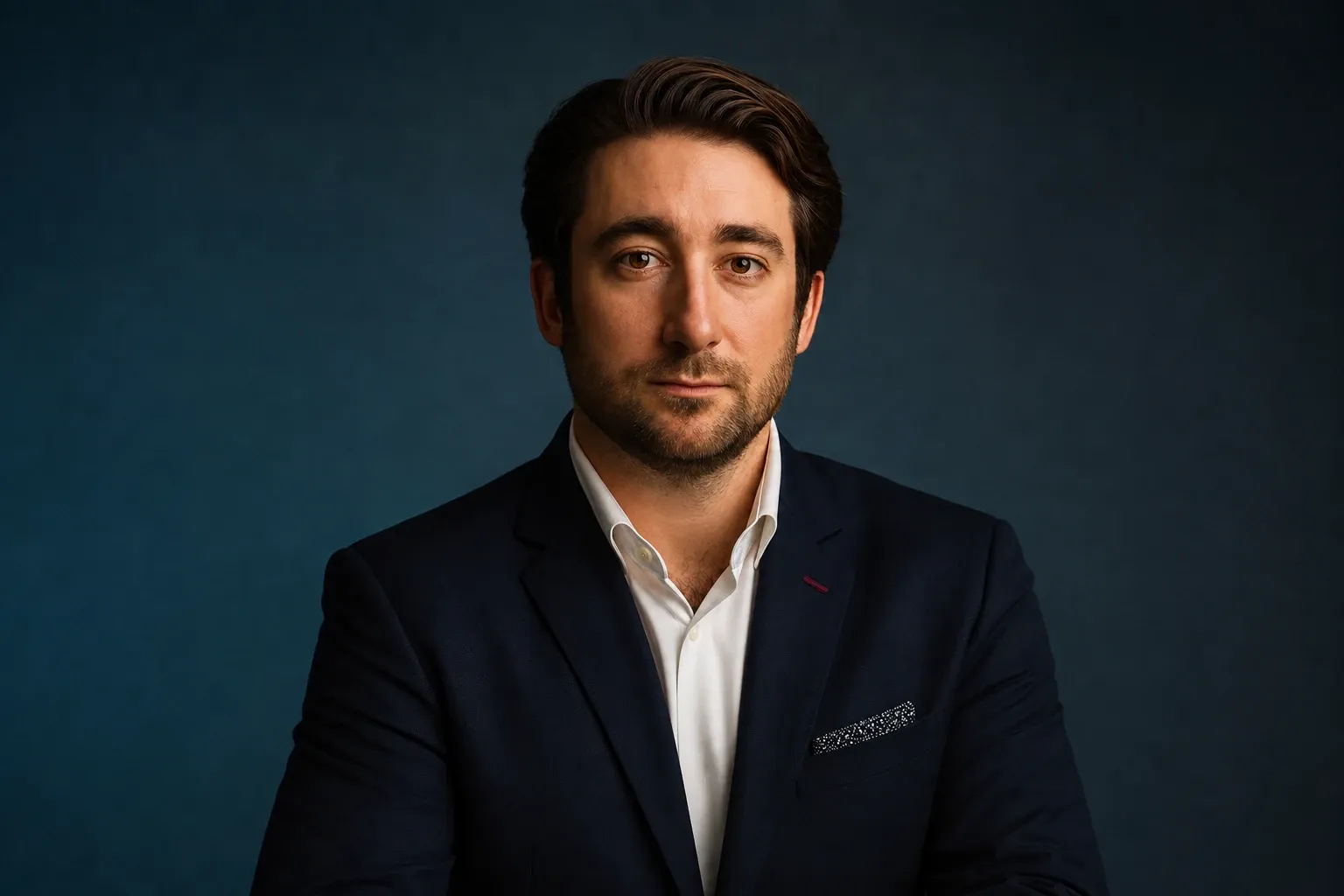
In an exclusive interview with Block News International, SteelWave Digital CEO Mitch DiRaimondo discusses the regulatory and institutional developments influencing tokenization in 2026, the role of underlying property fundamentals and the types of investors currently showing interest in the market.
DiRaimondo also addresses expectations around liquidity, the asset classes he believes could be tokenized at scale and SteelWave Digital’s work with ECI and DLMI.
Q. What problem are you trying to solve by bringing tokenization to commercial real estate, and why is now the right time for this market?
For me, tokenization has never been about putting buildings on a blockchain. It’s about fixing the ownership rails that capital markets have relied on for decades.
Traditional commercial real estate ownership structures, whether Limited Partnership interests or Tenant in Common structures, are expensive to create, cumbersome to transfer, and fundamentally illiquid. At the same time, institutional quality real estate has historically only been accessible to large institutions, family offices, pension funds, insurance companies, and endowments because of the capital required to participate.
Tokenization changes that. It creates a modern ownership framework that can dramatically improve transferability, expand access, and over time create significantly more efficient liquidity for both institutional and non institutional investors.
The timing matters because the foundation finally exists. We now have regulatory momentum, institutional custody, stablecoins, tokenized treasury markets, and public companies beginning to build balance sheets around digital assets. This isn’t blockchain searching for a problem anymore. It’s capital markets adopting better infrastructure.
Q. Tokenization has been discussed for years. What has changed in 2026 that makes adoption more realistic than previous cycles?
The biggest difference is that this cycle isn’t being driven by technology. It’s being driven by regulation and institutions.
For years the regulatory environment, particularly in the United States, slowed adoption because nobody wanted to invest billions of dollars into infrastructure without knowing what the rules were. In many cases regulators actively discouraged innovation instead of providing a framework.
That has changed dramatically.
The current administration recognizes that the global financial system is evolving and that the United States has an opportunity to lead rather than follow. Legislation like the GENIUS Act and the CLARITY Act are the first meaningful steps toward creating the regulatory infrastructure institutions have been waiting for.
This reminds me a lot of the transition from the ICO market to regulated digital securities. The technology didn’t change overnight. The market matured.
Q. Commercial real estate has experienced significant market shifts in recent years. How does tokenization create new opportunities for property owners and investors?
I think it’s important to stay realistic.
Anyone telling you we’ll have a perfectly liquid tokenized real estate market next year is overselling where we are today.
First, the regulatory framework has to be fully established. Then market infrastructure has to mature. Then institutions need to participate. Liquidity doesn’t appear overnight. It compounds as more participants enter the ecosystem.
Once that happens, I believe commercial real estate will have access to significantly more capital than it does today.
Owners gain a more efficient capital formation process and eventually a broader investor base. Investors gain access to institutional quality assets that historically required very large allocations.
The opportunity isn’t fractional ownership.
The opportunity is fundamentally expanding the capital stack.
Q. Your portfolio includes properties with major technology tenants such as Meta and Google. Does the quality of underlying tenants influence investor demand for tokenized real estate?
Absolutely.
The technology isn’t the product. The real estate is.
Institutional investors buy predictable cash flows backed by strong credit. Long term leases with companies like Meta and Google provide confidence because investors already understand the risk profile.
Familiarity breeds conviction.
If tokenization is going to become a trillion dollar market, it won’t happen because the blockchain is better. It’ll happen because investors trust the assets sitting on top of it.
Q. What types of investors are showing the strongest interest today, institutions, family offices, or retail participants, and how has that changed over the past year?
Most of the conversation has focused on retail access because that’s an easy story to tell.
I actually think the bigger story is institutional adoption.
Family offices have moved quickly because they can make investment decisions faster than large institutions. They’re still incredibly active.
But this market won’t truly scale until institutions begin allocating meaningful capital. That’s what creates deep liquidity, market confidence, and long term adoption.
I don’t think this gets built from the bottom up.
I think it gets built from the top down.
Q. Many believe real world assets could become one of blockchain’s largest use cases. What needs to happen before tokenized assets become mainstream within traditional finance?
The regulatory cake needs to be fully baked.
Institutions need absolute clarity around compliance, custody, reporting, taxation, and investor protections before they commit meaningful capital.
Nobody is going to invest billions of dollars if they’re worried a regulator may later decide the rules changed.
Once that framework exists, adoption accelerates because institutions already want the efficiency. They’ve simply been waiting for certainty.
Q. Looking ahead over the next three to five years, which asset classes do you believe are most likely to be tokenized at scale, and why?
The first wave will be assets that already fit within existing securities regulations.
Public equities, bonds, money market funds, treasury products, and other regulated financial instruments will continue leading adoption because the legal framework already exists.
Commercial real estate follows closely behind because of its size and cash flow profile, but private assets will take longer.
The regulatory standards around valuation, reporting, compliance, and secondary trading still need to mature.
Over the next three years I think we’ll watch those pieces come together, and once they do, commercial real estate becomes one of the largest opportunities in the industry.
Q. What milestones or developments should investors and the broader blockchain industry watch for from your companies over the coming year?
This year is about building the foundation, not chasing headlines.
SteelWave Digital and ECI have strategically partnered with DLMI, a publicly traded company operating within an existing securities framework. That gives us a unique opportunity to aggregate high quality private assets, including institutional grade commercial real estate, inside a regulated public company.
We believe that’s one of the most practical paths toward fully regulated token offerings because the governance, reporting, and compliance infrastructure already exists.
More broadly, we’re building toward an ecosystem where commercial real estate, digital assets, and public markets aren’t separate industries anymore. They operate on the same financial rails.
I don’t think history will remember the companies that simply tokenized assets.
It will remember the firms that owned the best assets and built the infrastructure institutions were willing to trust.