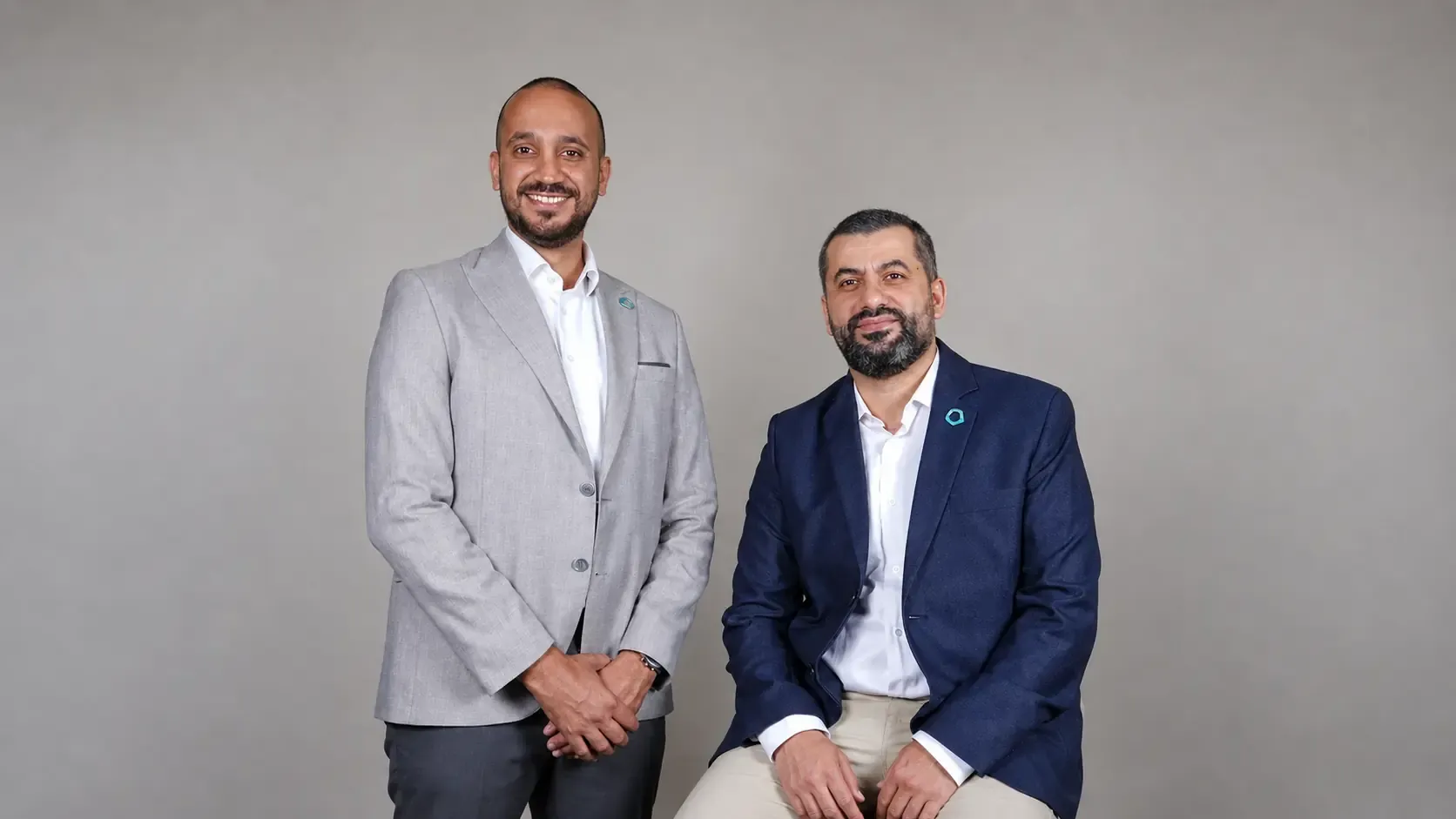
Arab Therapy has raised $2 million in a pre-Series A funding round as the digital mental health company prepares to expand its operations in Saudi Arabia and other Middle Eastern markets.
Jordan-based Manara Ventures led the round, with participation from Anara Capital’s impact fund and Saudi Arabia-based Value Makers Studio.
The company plans to use the investment to increase its presence in Saudi Arabia, enter additional regional markets and develop its AI-enabled mental health platform.
The financing follows a $1 million seed round completed in 2024. That earlier investment was led by Flat6Labs and Germany-based Vision Health Pioneers, with support from angel investors across several markets. Arab Therapy said at the time that the money would support market expansion, technology development and the introduction of services for businesses and institutions.
A Platform Built Around Arabic-Language Care
Founded in Berlin by Jordanian entrepreneurs Dr. Tareq Dalbah and Hekmat Al-Hasi, Arab Therapy currently operates across Saudi Arabia, Jordan, Egypt and Germany. Dalbah serves as co-founder and CEO, while Al-Hasi is co-founder and chief product and technology officer. The business works with individuals through its consumer platform and with employers through workplace mental health programs.
Its services combine online sessions with licensed mental health professionals, an Arabic-language content library and AI-powered digital tools. Arab Therapy offers individual, couples, child and adolescent services, as well as psychiatric consultations. The company says its network includes more than 200 therapists who hold at least a master’s-level qualification and receive supervision and training from Arab mental health professionals in Germany.
The latest investment will be directed partly toward the company’s AI capabilities. Arab Therapy offers an AI companion designed to provide private conversations and personalized therapeutic activities, while also connecting users with human specialists for scheduled sessions.
Digital Care Meets a Wider Treatment Gap
The expansion comes as health systems across the Middle East continue to face shortages in mental health services, uneven access to care and persistent social stigma. The World Health Organization’s 2024–2025 regional results report said treatment gaps reach 90% in some countries within its Eastern Mediterranean Region. Limited resources and inadequate mental health data remain obstacles, even as more countries integrate services into primary care.
Digital platforms can make appointments and information available beyond the physical reach of clinics, including to people who may be reluctant or unable to seek in-person support. Language remains another practical consideration: a therapy session depends heavily on a patient’s ability to describe emotions, experiences and symptoms with precision. Building services directly in Arabic may address part of that barrier, although online availability alone does not resolve questions involving affordability, clinical capacity or continuity of care.
The use of AI introduces a separate set of clinical and governance considerations. In March 2026, the WHO said mental health AI tools should be developed with input from mental health professionals and people with lived experience. The organization also called for evidence-based design, crisis-referral frameworks and ongoing assessment of both short- and long-term effects.