Block News International

@2026 Block News International. All Rights Reserved.

Blends Media
A Blends Media Group Production

ADI Chain and Shipfinex Target First Regulated Maritime RWA Tokenization

Arry Hashemi
Arry Hashemi
Aug. 12, 2026
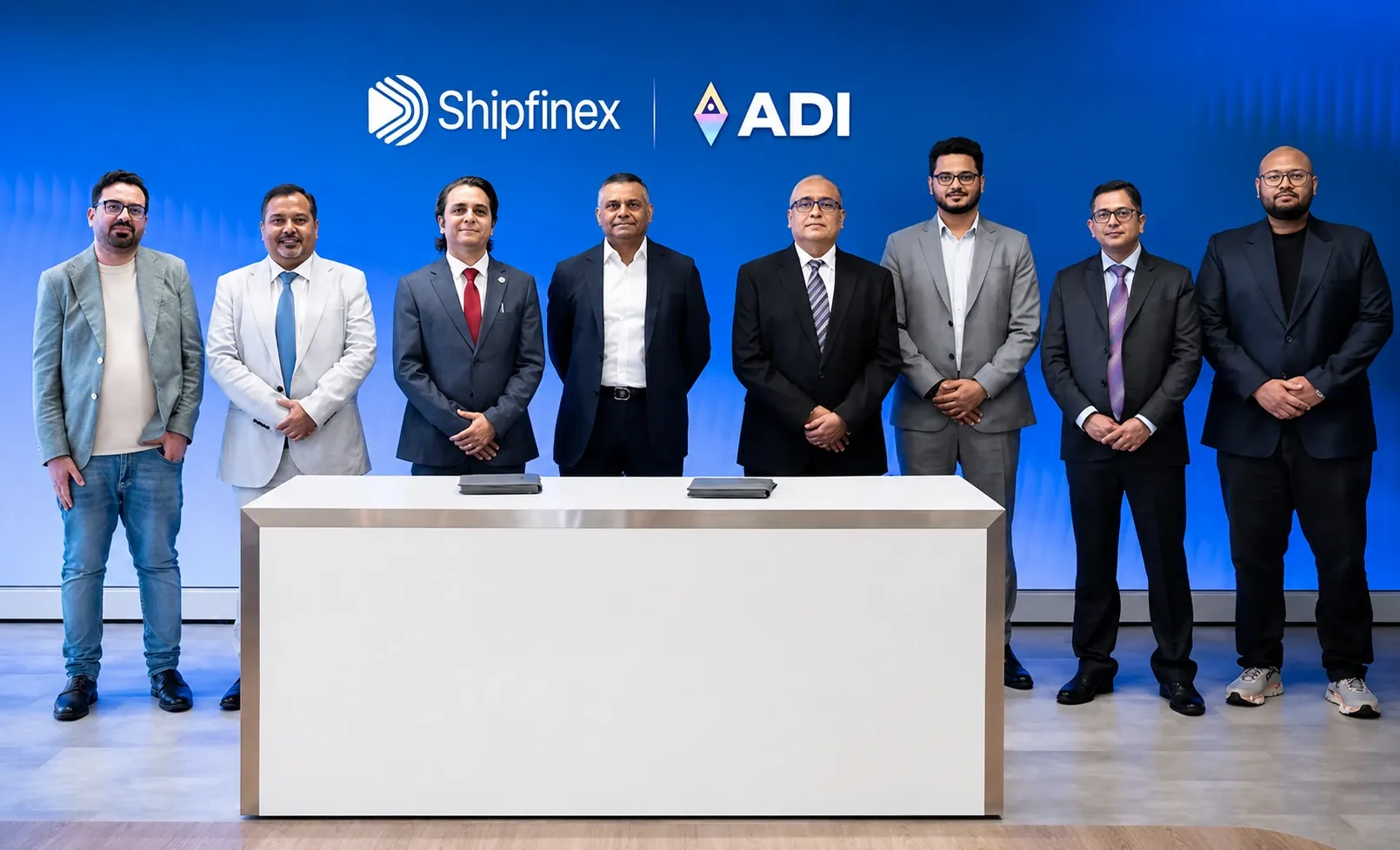
ADI Chain and Shipfinex ADI Chain and Shipfinex are working on a maritime tokenization initiative tied to an initial pipeline of about 35 vessels valued at roughly $500 million, with the proposed assets expected to be structured through blockchain-based investment instruments. (Image source: Shipfinex)

ADI Chain and Dubai-based maritime tokenization company Shipfinex have entered an exclusive partnership to develop blockchain-based investment instruments tied to commercial vessels, with an initial pipeline of about 35 ships valued at approximately $500 million.

Under the agreement, Shipfinex will identify and structure eligible maritime assets, while ADI Chain will provide the blockchain, distribution and settlement infrastructure for the proposed Maritime Asset Tokens. The companies said the instruments could provide exposure to vessel-backed credit, charter-linked income or other economic interests associated with individual ships. The project remains in a preparatory stage, with no Maritime Asset Tokens publicly issued so far.

The partnership brings another physical, capital-intensive industry into the expanding market for tokenized real-world assets. Rather than replacing the legal structures used to own and operate vessels, the proposed model would use blockchain-based tokens to represent defined economic rights connected with those structures.

The Shipfinex-ADI Chain initiative is emerging against a backdrop of broader growth in tokenized real-world assets. Tokenized RWAs reached about $34 billion by mid-July 2026, up from roughly $22 billion at the start of the year, according to Binance Research, as blockchain-based representations of traditional assets expanded beyond earlier concentrations in cash-like and fixed-income products.

A $500 Million Vessel Pipeline

Shipfinex said its initial pipeline consists of approximately 35 vessels with a combined value of about $500 million. The company has already designed its Maritime Asset Token architecture and vessel-level legal structure, while the project is moving through what it describes as pilot and operational-readiness work.

Each eligible ship is expected to be placed within a separate special-purpose vehicle, or SPV. That arrangement is intended to keep the vessel's value, liabilities, income and associated investor rights distinct from those attached to other ships. The precise economic exposure represented by a token will depend on the final structure of each offering.

The first phase of the partnership will focus on determining the final issuance route, confirming the product structure and preparing vessels from Shipfinex’s existing pipeline for potential tokenization. Any future offerings will remain subject to final documentation, applicable law and regulatory approvals.

The collaboration also comes amid broader adoption of digital assets across the UAE’s maritime sector. In 2025, UAE-based yacht builder Gulf Craft introduced a crypto-to-fiat payment option for yacht purchases, servicing and refits, allowing customers to use stablecoins such as USDT and USDC through a payment system developed with ARP Pay.
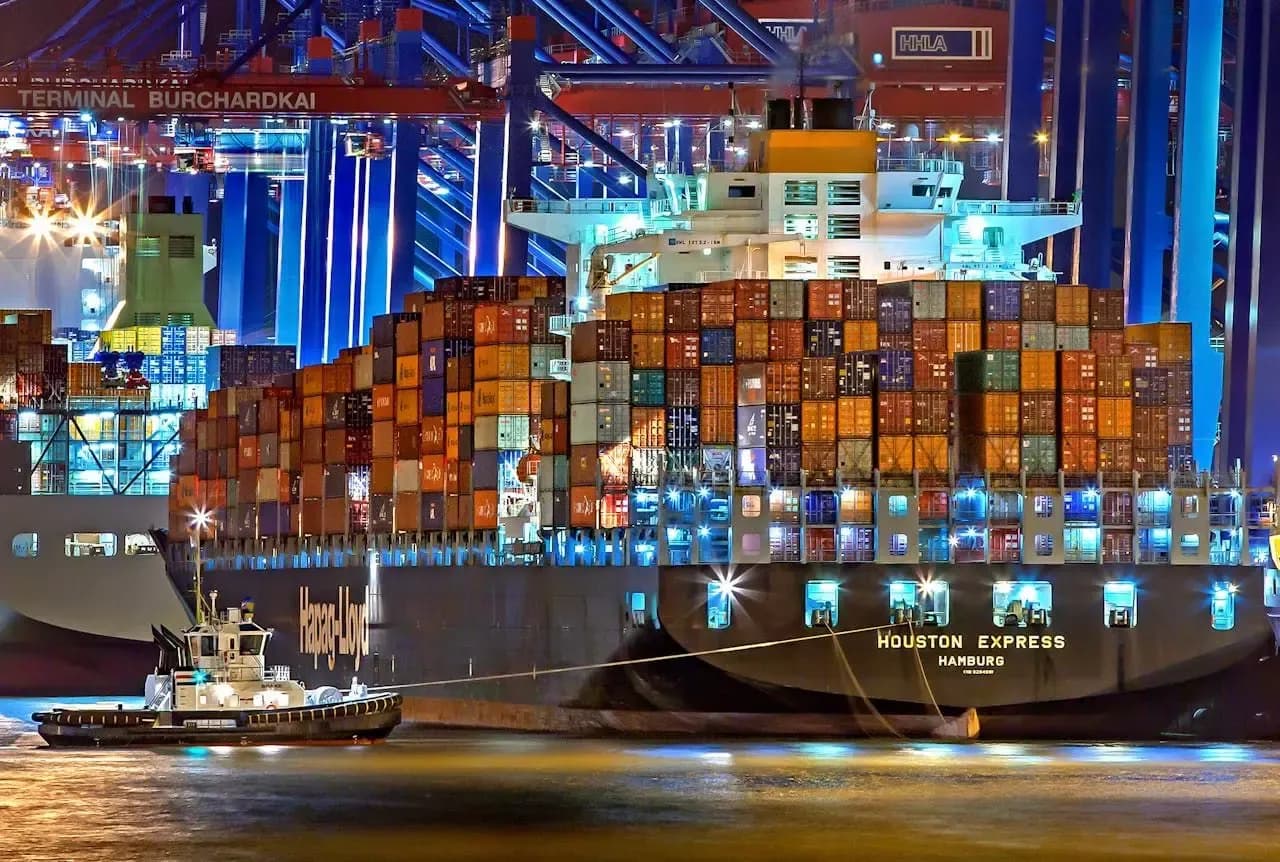
MaritimeADI Chain is set to provide blockchain, distribution and settlement infrastructure for the maritime tokenization initiative developed with Shipfinex. (Pexels)

How Maritime Assets Would Move On-Chain

ADI Chain will provide the infrastructure through which the proposed digital instruments and associated payment flows would operate. Primary allocations and distributions under the proposed structure are expected to use stablecoins denominated in UAE dirhams, U.S. dollars and potentially other currencies.

Traditional elements of vessel ownership would remain in place. Vessel ownership, registration, flag-state requirements and insurance arrangements would continue to operate through existing legal and commercial frameworks. Tokenization would instead provide a digital representation of specified economic rights associated with a particular vessel.

Individual tokens are expected to remain linked to identifiable ships, allowing the underlying vessel's valuation, operating record, financial profile and legal structure to be considered separately. Shipfinex CEO Vikas Pandey said, “Ships keep global trade moving, but access to maritime investment remains narrow and fragmented.” The proposed infrastructure could create another channel for connecting capital with maritime assets, although the eventual investor base and product terms will depend on regulatory approvals and the final offering structures.

The initiative also comes as Dubai expands the financial infrastructure surrounding its maritime sector. Earlier this year, the Dubai Multi Commodities Centre launched a dedicated Maritime Centre aimed at bringing together shipowners, operators, insurers, financial institutions and other service providers, with access to capital and maritime-related financing among its stated areas of focus.

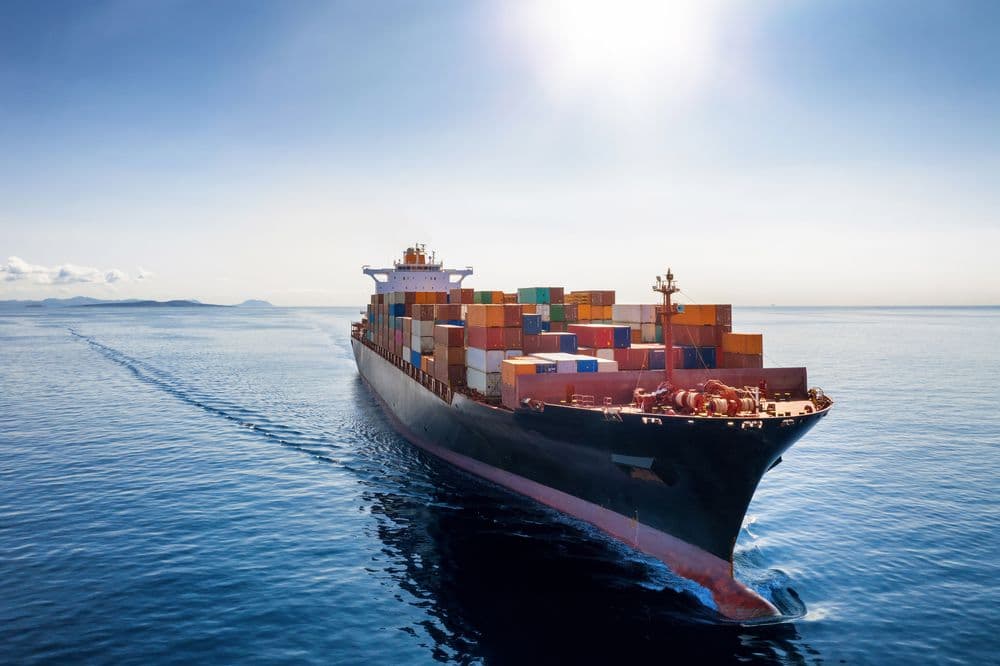
Maritime 2Shipfinex is progressing through Dubai’s virtual-asset licensing process as it develops a framework for bringing maritime investment structures on-chain. (Shutterstock)

Regulatory Pathway Takes Shape

Shipfinex currently holds In-Principle Approval from Dubai’s Virtual Assets Regulatory Authority for Virtual Asset Broker-Dealer Activity, under reference IPA/26/01/002. The approval places the company within VARA’s licensing process as it works toward obtaining the authorization required to begin regulated virtual-asset operations.

Under VARA’s framework, an In-Principle Approval represents an intermediate stage before a full Virtual Asset Service Provider license is granted. Shipfinex said it is progressing toward operational launch while the regulatory and issuance framework for its proposed Maritime Asset Tokens continues to be finalized.

The companies have positioned the partnership as an effort to develop what they describe as the “first regulated, institutional-grade tokenized maritime asset class.” The initiative combines Shipfinex’s vessel-focused investment structure with ADI Chain’s blockchain infrastructure, with any future issuance remaining subject to the applicable regulatory requirements.