

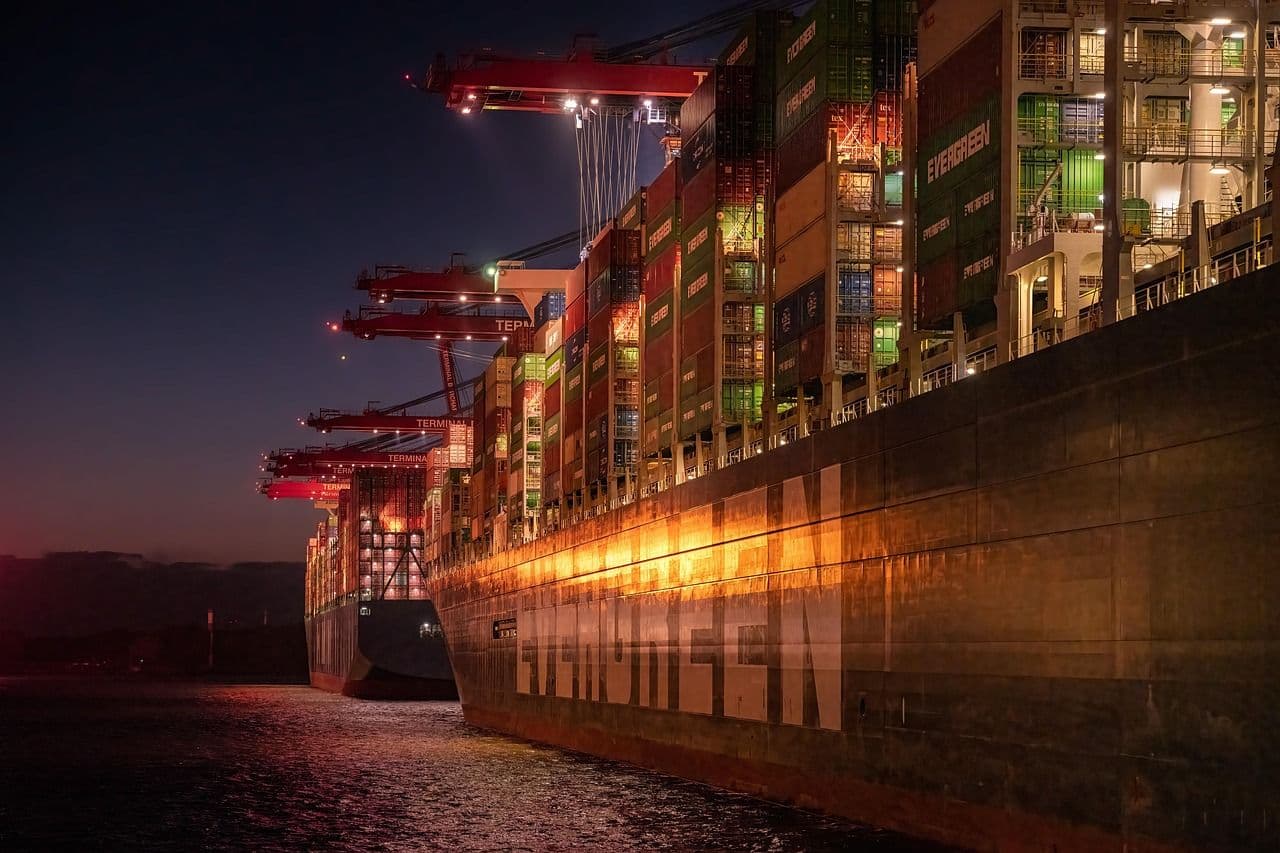
 As global trade evolves, hubs like Dubai are focusing not just on moving goods, but on capturing the financial and strategic value behind them. (Pixabay)
The Dubai Multi Commodities Centre (DMCC) has announced the launch of a dedicated Maritime Centre, designed to bring together shipping companies, logistics providers, and a wide range of supporting services into a single ecosystem. The initiative is aimed at reinforcing Dubai’s role not just as a transit point for goods, but as a hub where trade is financed, structured, and managed.
Rather than focusing on physical infrastructure such as ports, the Maritime Centre is positioned as a commercial platform. It is intended to connect stakeholders across the maritime value chain, including shipowners, operators, insurers, legal advisors, and financial institutions, allowing them to operate within a more integrated environment.
This approach reflects a broader shift in global trade, where the value of shipping increasingly lies beyond the movement of cargo itself. Financing, risk management, and advisory services have become central to how maritime businesses operate, particularly as supply chains grow more complex and capital-intensive.
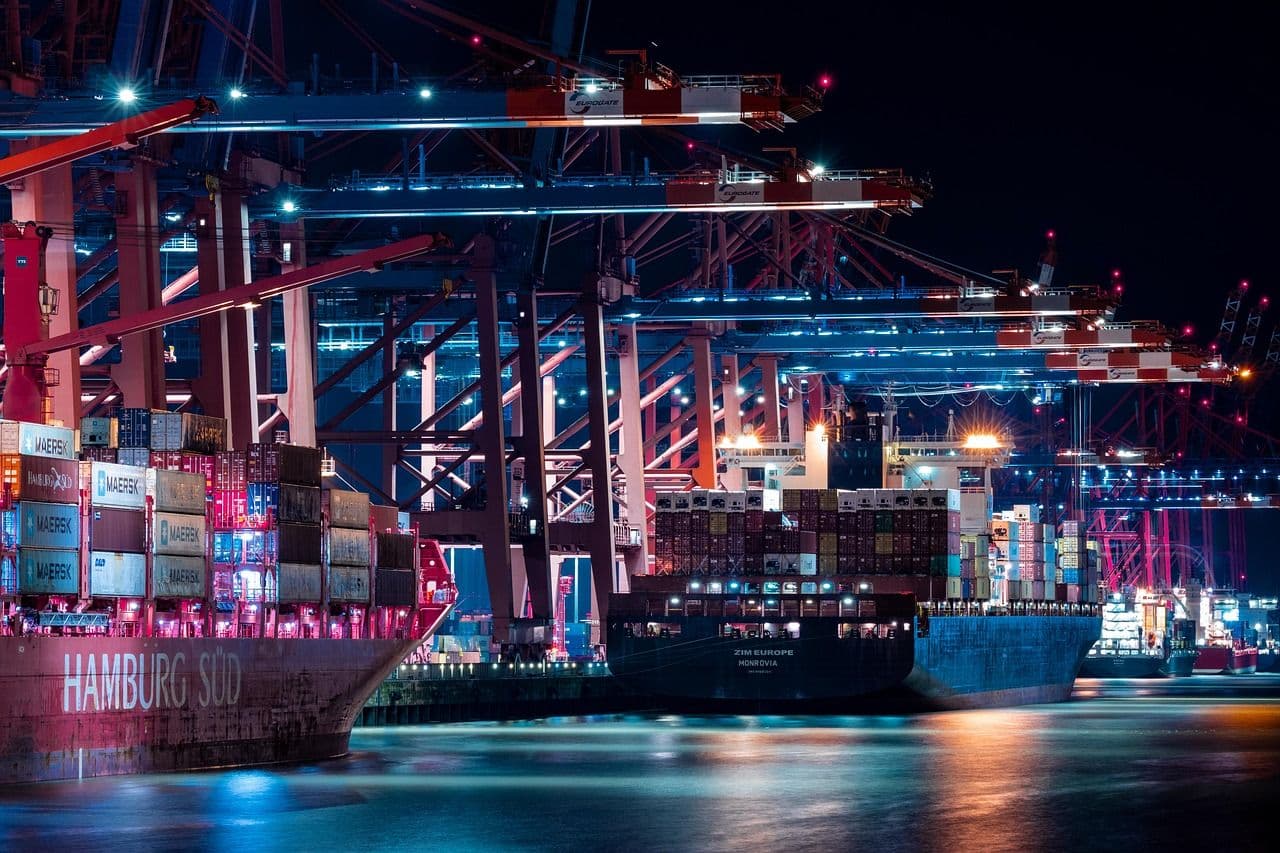 Maritime trade continues to expand beyond logistics, with platforms like DMCC’s Maritime Centre aiming to connect shipping activity with finance and deal-making. (Pixabay)
The launch builds on DMCC’s existing presence in the maritime sector. The free zone already hosts a growing number of companies involved in shipping, logistics, and related services, forming a foundation for a more structured and collaborative platform.
By formalizing this network into a dedicated center, DMCC is seeking to increase connectivity between businesses and encourage greater deal flow within Dubai. The idea is straightforward: when companies operating across the same value chain are clustered together, transactions become easier to execute and opportunities are more likely to emerge.
This clustering strategy has become a defining feature of modern trade hubs, where success is often driven by how effectively businesses, capital, and expertise are brought together in one place.
A key element of the Maritime Centre is its connection to DMCC’s broader financial ecosystem. The platform is designed to support access to capital for maritime companies, including financing solutions tied to vessels, cargo, and trade flows.
In parallel, it aims to provide a framework for managing maritime-related assets, offering services that extend beyond traditional shipping operations. This reflects a wider industry trend in which shipping companies are placing greater emphasis on financial structuring and capital efficiency.
Global trade is evolving, making the integration of operational and financial functions increasingly important. Platforms that enable this shift are expected to play a larger role in shaping how trade is conducted.
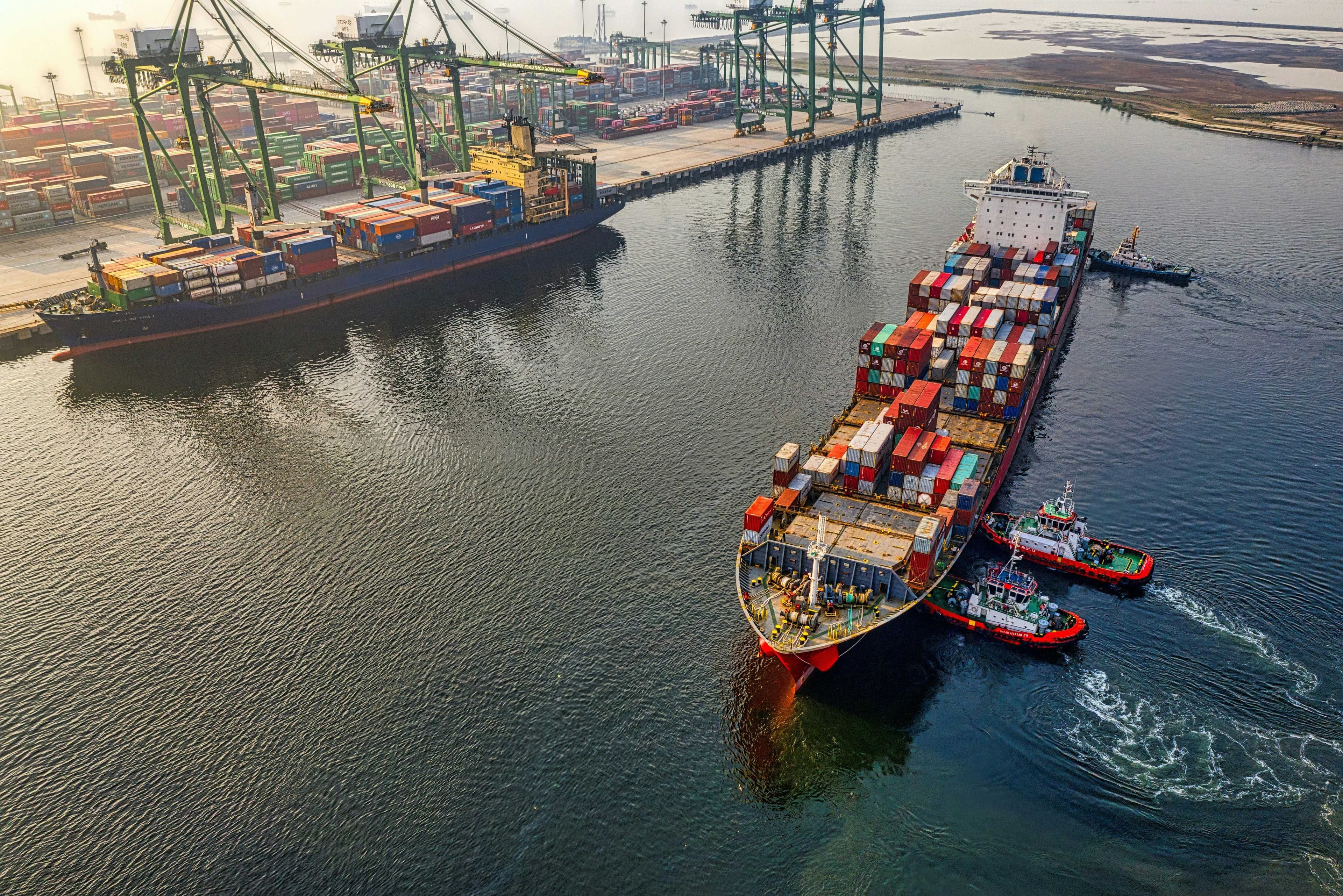 Global shipping activity underscores Dubai’s push to strengthen its role in maritime trade through initiatives like the DMCC Maritime Centre. (Unsplash)
Unlike traditional maritime hubs that revolve around ports and shipping lanes, DMCC’s Maritime Centre is designed to operate as a layer above physical trade infrastructure. Its role is not to move goods, but to support the commercial and financial activities that enable those movements.
By bringing together a wide range of services under one umbrella, the platform aims to position Dubai as a location where maritime transactions are coordinated and executed, even when the underlying trade routes extend far beyond the region.
This aligns with Dubai’s broader economic strategy, which has focused on capturing value from global trade through services, finance, and connectivity rather than relying solely on geography.
The creation of the Maritime Centre also signals an evolution in how DMCC approaches sector development. Earlier initiatives focused on building industry networks and fostering dialogue. The new platform moves beyond that, aiming to facilitate real transactions and business activity.
This shift reflects the increasing complexity of global shipping, where coordination across multiple sectors is essential. By providing a centralized environment for these interactions, DMCC is positioning itself to play a more active role in how maritime trade is structured.
The long-term impact of the Maritime Centre will depend on its ability to attract international players and demonstrate clear advantages in areas such as financing, deal-making, and operational efficiency.
Dubai’s direction, however, is clear. The focus is no longer limited to serving as a gateway for goods but extends to shaping the systems that support global trade at a deeper level.

AI reshapes institutional learning across MENA
Fitting targets a more digital supply chain
Firebird scales up Armenia’s AI infrastructure

AI-generated viruses raise new biosafety questions

Stay ahead with the latest updates, insights, and trends shaping the world of finance, investment, blockchain, digital business, fintech, technology, and global markets.
