

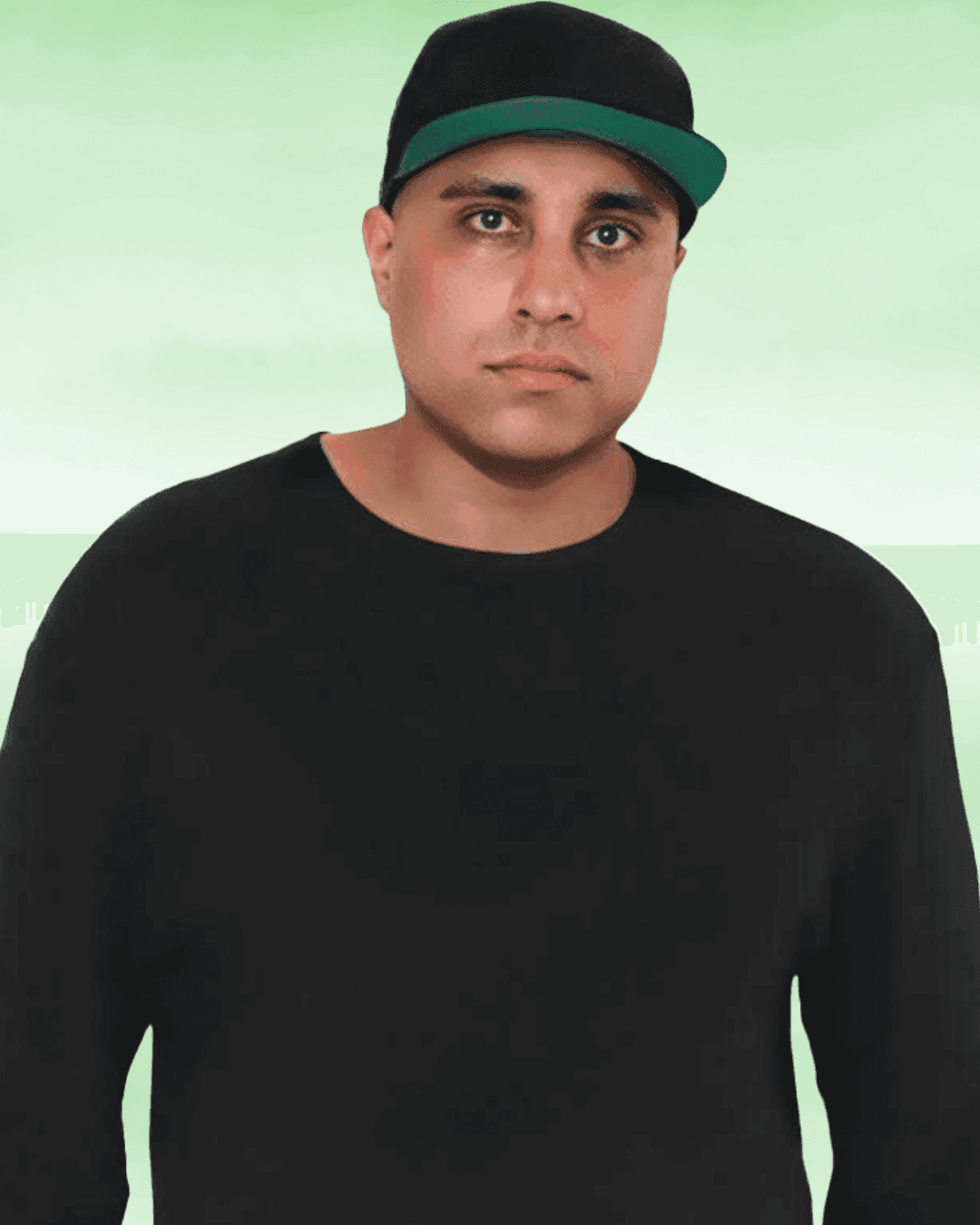
 Gurps Rai - CEO and co-founder of droppGroup
Rai explains. In the early 2010s, blockchain was still an experiment. Institutions were skeptical, even hostile:
The fundamental difference today is that we’ve moved from evangelism to evidence, We were asking them to trust an idea. Now, we walk into boardrooms with production systems operating at scale.
Those systems include droppOne, the AI/blockchain operating system powering everything from citizen services for the Saudi government to enterprise infrastructure for Aramco. These aren’t conceptual deployments – they’re live, regulated, and handling real economic value. “The institutional conversation has changed,” Rai says. “It’s no longer ‘Will this work?’ It’s ‘How do we not get left behind?’”
That urgency is reshaping corporate strategy. Where early adopters focused on cost savings or efficiency, today’s institutions are exploring tokenization as a way to invent new asset classes, democratize access to investment, and distribute value in entirely novel ways. “That’s what excites us,” Rai says. “We’re not just improving processes – we’re enabling new economic systems.”
A pivotal moment in Rai’s career came from his work with the government of Bermuda, where he collaborated with Premier David Burt to craft pioneering crypto regulation. It was a masterclass in how forward-thinking policy can catalyze innovation. “You can’t wait for regulation to catch up,” he explains. “You have to build compliance into the architecture from day one.”
This approach – what droppGroup calls “compliance by design” – is deeply embedded in their tokenization platform, droppRWA. Every transaction flows through regulatory checkpoints, with oracle infrastructure providing a real-time, auditable trail. “Our regulators don’t just get dashboards,” Rai says. “They get tools that enhance their oversight. That turns regulators into allies, not gatekeepers.”

That mindset has carried into Saudi Arabia, where droppGroup recently executed the first tokenized real estate deal with RAFAL. Just like in Bermuda, the team didn’t seek exceptions – they showed regulators how tokenization could improve transparency, liquidity, and investor protection. “We’re not circumventing regulation,” Rai clarifies. “We’re strengthening it.”
But regulatory clarity is only one piece of the puzzle. In boardrooms, Rai finds that the biggest conceptual leap is shifting from tokenization as a digital certificate to tokenization as a programmable economic relationship. “Executives often think it’s just about digitizing their assets. That’s like saying the internet is just a faster fax machine.” What droppRWA actually enables is dynamic, programmable ownership.
Tokenized real estate can distribute income automatically, execute compliance rules, and offer real-time performance analytics. Fractional ownership becomes fluid, transparent, and instantly tradable.
Someone can own a piece of premium real estate for the price of a coffee – and trade their position with instant settlement, Rai says.
That kind of accessibility is more than a feature – it’s a fundamental reimagining of financial inclusion. “The real power of tokenization,” Rai emphasizes, “is that it breaks down the walls of capital formation. It makes wealth participatory.”
The success of droppGroup’s partnership with Aramco serves as a blueprint for how Rai scales institutional confidence. “We didn’t sell them blockchain,” he says. “We solved their real problems – with technology that happened to run on blockchain.” From managing complex data flows to enabling digital engagement and sovereign-grade security, Rai’s team delivered tangible outcomes, not hype.
That success with Aramco ripples across industries. It creates what Rai calls “adjacent sector bridges.” Real estate developers, banks, and government agencies look at Aramco’s endorsement and think, “If it works for them, it’ll work for us.” This cross-sector credibility is amplified by droppRWA’s modular architecture – what works for tokenizing real estate also works for commodities, infrastructure, or even carbon credits. Underlying this expansion is a key insight: “Institutional trust scales through interoperability.” Rai and his team have built droppRWA to plug seamlessly into existing enterprise systems.
That means institutions don’t have to rip out their infrastructure to innovate – they can integrate and evolve. “Every new partner makes the ecosystem stronger,” Rai says. “It’s network effects, but for institutional finance.”
Yet even as tokenization gains traction, Rai sees danger ahead in regulatory assumptions. “Trying to force programmable, fractional, instantly transferable assets into 20th-century securities frameworks is a mistake,” he warns. “It’s like regulating the internet with telegraph laws.”

He identifies three areas where regulation must evolve: cross-border asset mobility, automated compliance, and fractional governance. Tokenized ownership breaks traditional shareholder models. Smart contracts upend audit standards. And global ownership of a single asset requires multijurisdictional frameworks. “We’re not waiting for regulators to catch up,” Rai says. “We’re building the tools they’ll need.”
Those tools include “regulatory APIs” – interfaces that allow authorities to audit smart contracts, monitor transactions, and even apply policy updates directly through code. Rai’s vision is pragmatic: don’t just build to comply – build to empower regulators. That philosophy has roots in Rai’s earliest experiments. His first Bitcoin commodity trade wasn’t about showing off tech – it was about solving trust and settlement issues in a complex trade. “That taught us the value isn’t in the token – it’s in the relationship the token enables,” he says.
That lesson has guided everything droppGroup has built since. Whether it’s working with regulators, banks, or sovereign funds, Rai’s approach is grounded in practical value creation. “We’re not asking institutions to bet on blockchain,” he says. “We’re helping them solve real problems – liquidity, compliance, capital formation—problems they can’t solve with legacy systems.”
The result is a platform that enhances, not replaces, traditional finance. “Integration is key,” Rai adds. “We work with custody providers, audit firms, insurance companies, and regulators. That’s how you make innovation real.”
For Gurps Rai, the path from Bitcoin evangelism to droppRWA leadership isn’t just a personal arc – it’s a reflection of blockchain’s journey from theory to institution. From Bermuda to Riyadh, from regulatory sandboxes to sovereign-scale deployments, Rai has helped architect not just technology, but the trust that makes it viable, And in doing so, he’s shown that the future of finance won’t be built by disruption alone – but by collaboration, integration, and transformation at scale.
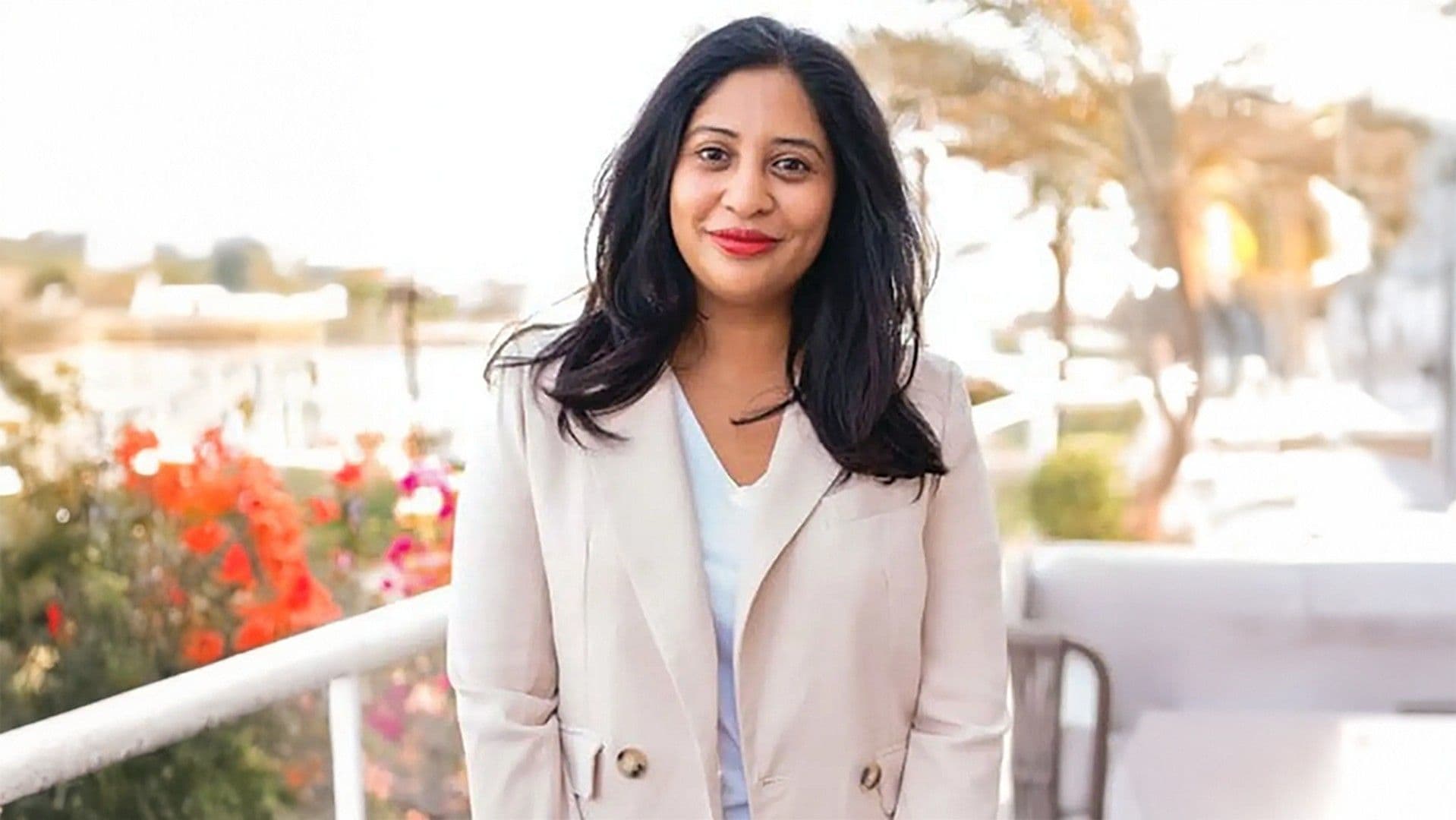
An editor’s perspective on how tokenization is already shaping the future of finance.
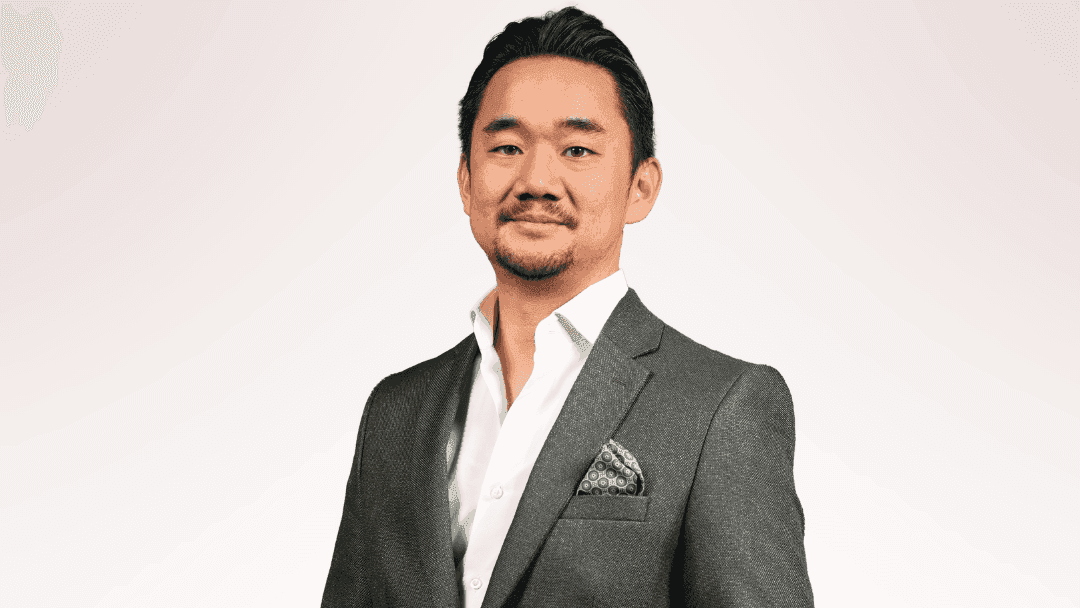
Koh Onozawa Martínez on building trust, access, and the future of tokenized finance.

How real-world assets are being tokenized across industries and reshaping global finance.

How blockchain and tokenization are reshaping ownership and creating new digital markets.

Stay ahead with the latest updates, insights, and trends shaping the world of finance, investment, blockchain, digital business, fintech, technology, and global markets.
