
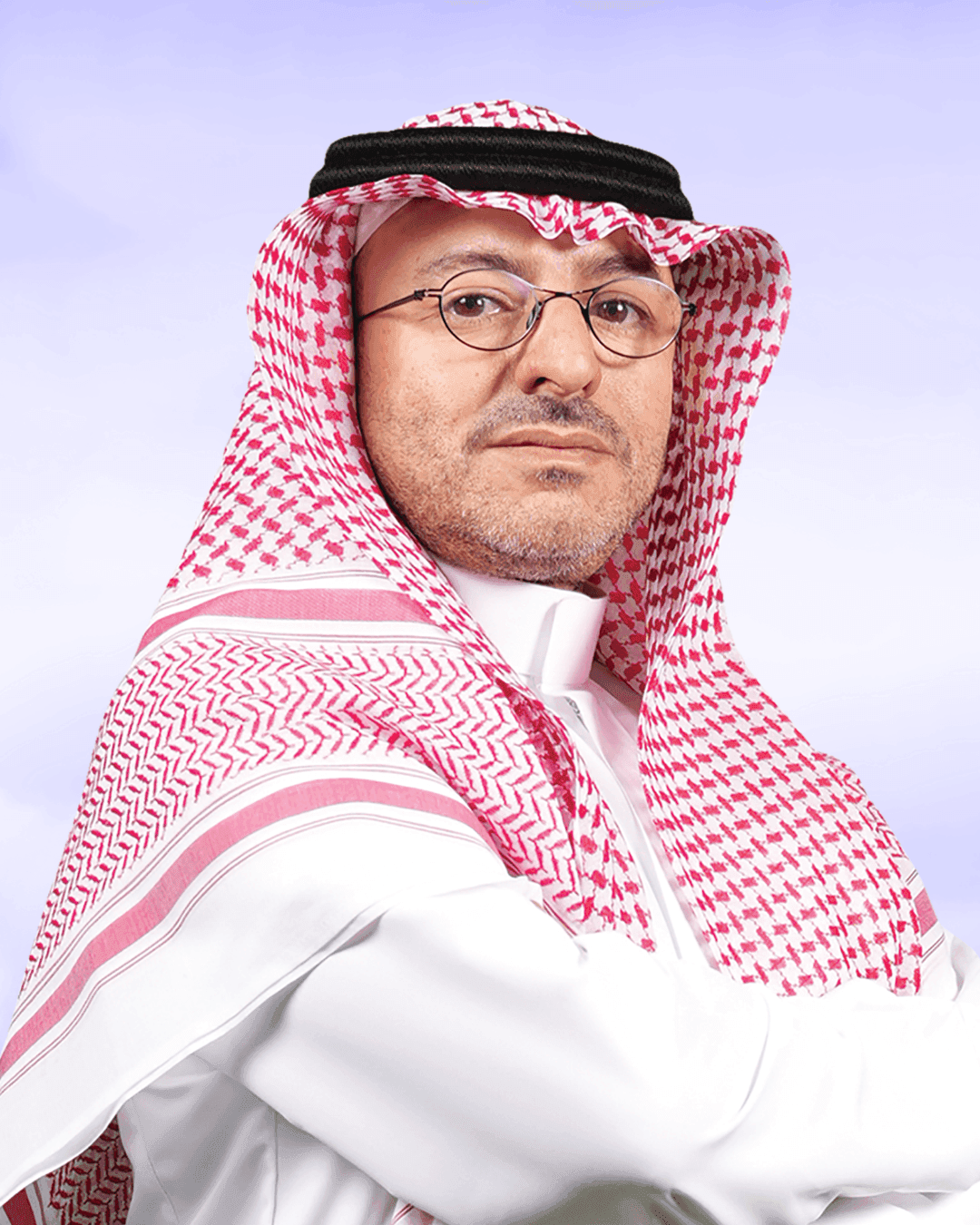
 Faisal Al Monai - Co-founder and Chairman of droppGroup
Now, as co-founder and chairman of droppGroup, Faisal Al Monai finds himself at the cusp of another revolution – this time through the tokenization of real-world assets (RWA). With droppRWA, the group's flagship platform, Al Monai envisions a future where anyone can own a slice of prime real estate, not by navigating the traditional financial maze, but through a few clicks on a blockchain-enabled platform. “Tokenization isn’t just about putting assets on-chain,” he says. “It’s about democratizing wealth creation.”
This is not a theoretical exercise for Al Monai – it’s a mission rooted in experience. With a career spanning leadership roles at Microsoft, HP, and Oracle, Al Monai has had a front-row seat to the evolution of Saudi Arabia’s technological landscape. He describes the change as nothing short of radical. “In the 1990s and early 2000s, tech adoption was about internal efficiency – better records, faster processing, cost savings. Today, it’s about transformation,” he says. And nowhere is that transformation more visible than in Vision 2030, the Kingdom’s ambitious strategy to diversify its economy, empower its citizens, and become a global technology powerhouse.
Indeed, the government’s approach has evolved from cautious adopter to bold innovator. “We used to spend months convincing ministries to approve a single software solution,” Al Monai recalls. “Today, the Crown Prince announces mega-projects like NEOM and HUMAIN – a $77 billion AI infrastructure investment. This isn’t incremental change; it’s exponential.”
This boldness is exactly what made the RAFAL deal possible. The first tokenized real estate transaction in Saudi Arabia, it represents a confluence of regulatory support, market readiness, and technological maturity. “Every revolution appears sudden,” Al Monai says, “but it’s always the result of years of preparation.” He points to the groundwork that droppGroup laid – ongoing collaboration with regulators, the building of droppOne (its AI/blockchain operating system), and crucially, educating the market on what tokenization really means. “This isn’t just a tech experiment – it’s a business transformation tool,” he insists.
Al Monai is also quick to address the lingering misconceptions around blockchain in the region. Much like the early days of digital payments, blockchain is often misunderstood as inherently volatile or synonymous with cryptocurrency speculation. “The most persistent error is confusing the technology with its most sensationalized use cases,” he says. “Blockchain is not about crypto chaos – it’s programmable trust.”
That trust is at the core of droppRWA’s value proposition. By enabling fractional ownership of real estate and other real-world assets, the platform is opening doors that were previously bolted shut. “When a young Saudi can own a piece of a Riyadh skyscraper for the price of a coffee, we’re doing more than innovating – we’re rewriting the rules of economic participation.”
And this, according to Al Monai, is precisely what Vision 2030 is about. “In the past, tech projects aimed at making institutions more efficient. Today, they’re designed to make citizens more empowered.” With millions of jobs to be created and trillions of riyals to be invested, traditional financial infrastructure can’t meet the scale and speed required. That’s where tokenization becomes indispensable.
But Al Monai doesn’t stop at the economic argument. For him, blockchain is also about sovereignty. “Just as SADAD gave Saudi Arabia control over its payment ecosystem, blockchain gives us control over our asset infrastructure,” he explains. In a world increasingly dominated by foreign tech monopolies, dropp’s mission is refreshingly local. “We’re not just adopting global innovations – we’re building homegrown solutions for global problems.”
This idea of “sovereignty-grade” technology is central to droppGroup’s strategy. It’s not just about compliance and scalability; it’s about creating infrastructure that reflects the Kingdom’s ambitions. “We’re not just implementing software. We’re designing the architecture of a new economy,” he says.
Faisal is acutely aware that this isn’t an easy road. Blockchain implementations for governments are fundamentally different from traditional software rollouts. The shift isn’t just technical – it’s philosophical. “Enterprise software digitizes workflows. Blockchain reimagines trust.” This reimagining means fewer intermediaries, greater transparency, and systems that enforce integrity not by institutional authority, but by code. For a government, that’s not just efficient – it’s revolutionary.
The stakeholder landscape has changed too. Where legacy projects once involved a triad of vendors, government clients, and end-users, blockchain projects require a broader coalition – regulators, technologists, investors, citizen groups, and sometimes even international partners. That complexity is both a challenge and an opportunity. “When you get it right,” Faisal says, “you don’t just build a product – you build a movement.”
And movements need vision. For Al Monai, Vision 2030 isn’t just a slogan – it’s a blueprint for action. With droppRWA, he aims to bridge capital from global markets to domestic opportunities in real time, across borders, transparently and securely. “We’re building the digital rails for Vision 2030,” he declares. If the past is any indicator, Al Monai is more than capable of executing on that vision. He’s done it before, reshaping how a nation pays its bills. Now, he’s ready to reshape how a generation builds its wealth.
An editor’s perspective on how tokenization is already shaping the future of finance.

How tokenization is reshaping real estate, regulation, and investment in the Middle East.
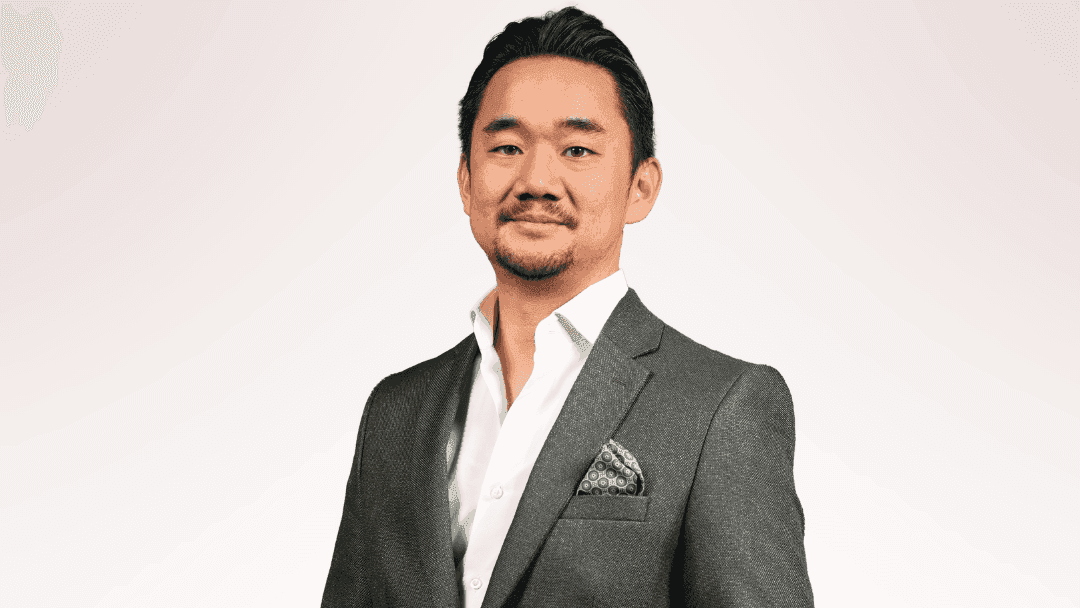
Koh Onozawa Martínez on building trust, access, and the future of tokenized finance.

A look at how tokenization is opening asset ownership and reshaping global finance.

Stay ahead with the latest updates, insights, and trends shaping the world of finance, investment, blockchain, digital business, fintech, technology, and global markets.

