

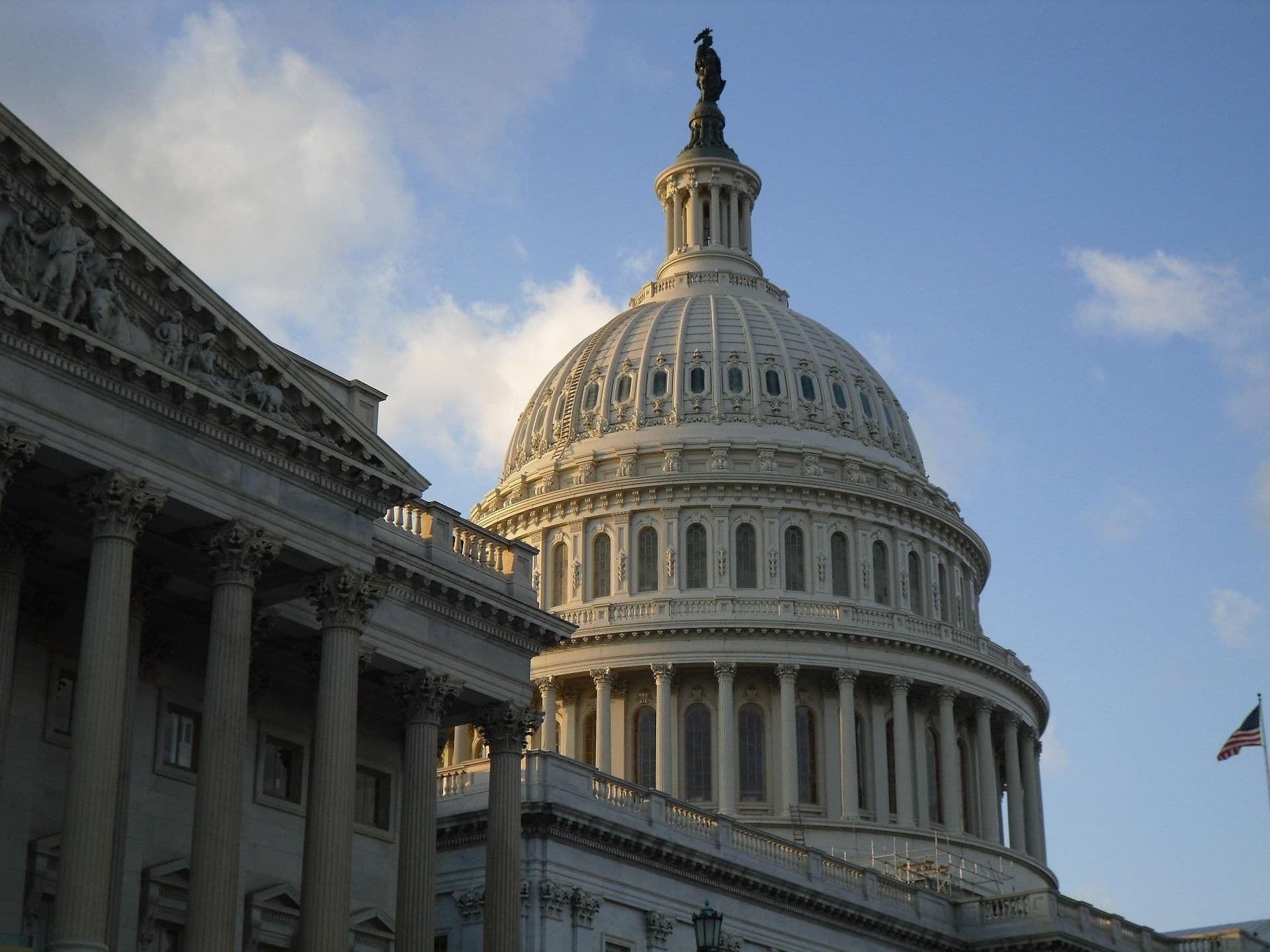
 Lawmakers advance CLARITY act in bid to bring structure to crypto markets. (Pixabay)
The proposal has emerged as a central pillar of ongoing negotiations over how cryptocurrency markets should be governed in the United States.
The bill has drawn sustained attention within the Senate Banking Committee, where lawmakers are grappling with how to strike a balance between protecting investors, supporting innovation, and addressing broader policy considerations in a sector that has long operated without a clear legal framework.
Supporters of the legislation say it reflects more than six months of bipartisan work, shaped by consultations with regulators, academics, law enforcement officials, and market participants. They argue the goal is to move digital asset markets away from fragmented oversight and toward a more coherent statutory structure that offers clarity for both businesses and investors.
At its core, the CLARITY Act aims to bring legal certainty to an industry that has largely been governed through enforcement actions and regulatory interpretation rather than clearly defined rules. Backers of the bill say this lack of clarity has contributed to uneven enforcement, investor confusion, and challenges for U.S.-based firms competing with companies operating under clearer regimes overseas.
A key focus of the proposal is defining how different types of digital assets are treated under U.S. law and which regulators are responsible for overseeing them. Under the framework outlined in the bill, digital assets would be placed into clearer categories, including securities, commodities, and permitted payment stablecoins, in an effort to resolve long-standing confusion over how various tokens should be regulated.
The legislation would maintain the authority of the Securities and Exchange Commission to oversee digital asset securities, while expanding the role of the Commodity Futures Trading Commission in supervising spot markets for digital commodities. This division of responsibility has been welcomed by parts of the industry, which have long argued that overlapping jurisdiction has left firms operating in regulatory limbo.
Lawmakers backing the bill say clearer lines between agencies would help end years of uncertainty that have forced exchanges, issuers, and intermediaries to navigate conflicting interpretations of securities and commodities law.
As criticism of the proposal has grown, Senate Republicans on the Banking Committee have sought to clarify their position by publishing a Myth vs. Fact document addressing common concerns about the legislation. The briefing is intended to counter what lawmakers describe as misconceptions about the bill’s scope and impact, particularly as digital asset regulation becomes a more prominent issue on Capitol Hill.
One of the main criticisms addressed is the claim that the CLARITY Act would weaken investor protections or open new loopholes. According to the committee, the bill builds on established securities law principles rather than dismantling them, introducing clearer disclosure expectations for digital asset issuers and strengthening anti-evasion measures while more clearly dividing regulatory authority between agencies.
Another point of contention has been whether the bill adequately accounts for broader policy risks. Supporters reject the idea that these issues are being overlooked, pointing instead to provisions aimed at improving baseline compliance and oversight standards, including clearer expectations around financial controls and sanctions obligations, without imposing an overly restrictive compliance burden.
The committee has also responded to concerns that the legislation could inadvertently affect software developers or limit self-custody. Lawmakers say the bill explicitly protects developers who do not take custody of customer funds and preserves the right of individuals to hold and manage their own digital assets without intermediaries, seeking to avoid chilling open-source development or personal asset ownership.
Proponents frame the CLARITY Act as a way to protect everyday market participants while allowing innovation to continue, arguing that clearer rules would encourage investment and help keep digital asset activity and jobs within the United States.
Even so, the proposal has not won universal support. Some major crypto firms have raised objections to earlier versions of the bill, and opposition remains from parts of the industry. Coinbase CEO Brian Armstrong has recently criticized the legislation in its current form, highlighting concerns about how certain provisions could affect market development.
After reviewing the Senate Banking draft text over the last 48hrs, Coinbase unfortunately can’t support the bill as written.
— Brian Armstrong (@brian_armstrong) January 14, 2026
There are too many issues, including:
- A defacto ban on tokenized equities
- DeFi prohibitions, giving the government unlimited access to your financial…
The pushback reflects ongoing tension between the desire for regulatory certainty and concerns about how rigid rules might shape the industry’s future as lawmakers and stakeholders negotiate the bill’s final form.
With the 2026 midterm elections approaching, pressure is building in the Senate to make progress on digital asset market structure legislation. A key markup of the CLARITY Act is scheduled for later this month, alongside additional committee sessions where lawmakers are expected to review amendments and proposed changes.
That markup is likely to serve as a defining moment for the bill, offering a chance to refine its language while also revealing the limits of bipartisan agreement as lawmakers weigh financial stability against innovation.
If passed, the CLARITY Act would mark one of the most significant shifts in U.S. digital asset policy to date. It could reshape how companies design products, how investors assess risk, and how regulators engage with emerging technologies such as decentralized finance. The bill’s approach to asset classification and regulatory authority may also influence global discussions, as other jurisdictions continue to develop their own frameworks to attract digital asset activity.
Momentum alone does not guarantee passage. As competing proposals circulate and political priorities continue to shift in both chambers of Congress, the ultimate direction of U.S. digital asset regulation remains uncertain.

Fitting targets a more digital supply chain

AI-generated viruses raise new biosafety questions

AI and satellites drive Space42 expansion

Saudi real estate gets a tokenization focus

Stay ahead with the latest updates, insights, and trends shaping the world of finance, investment, blockchain, digital business, fintech, technology, and global markets.
