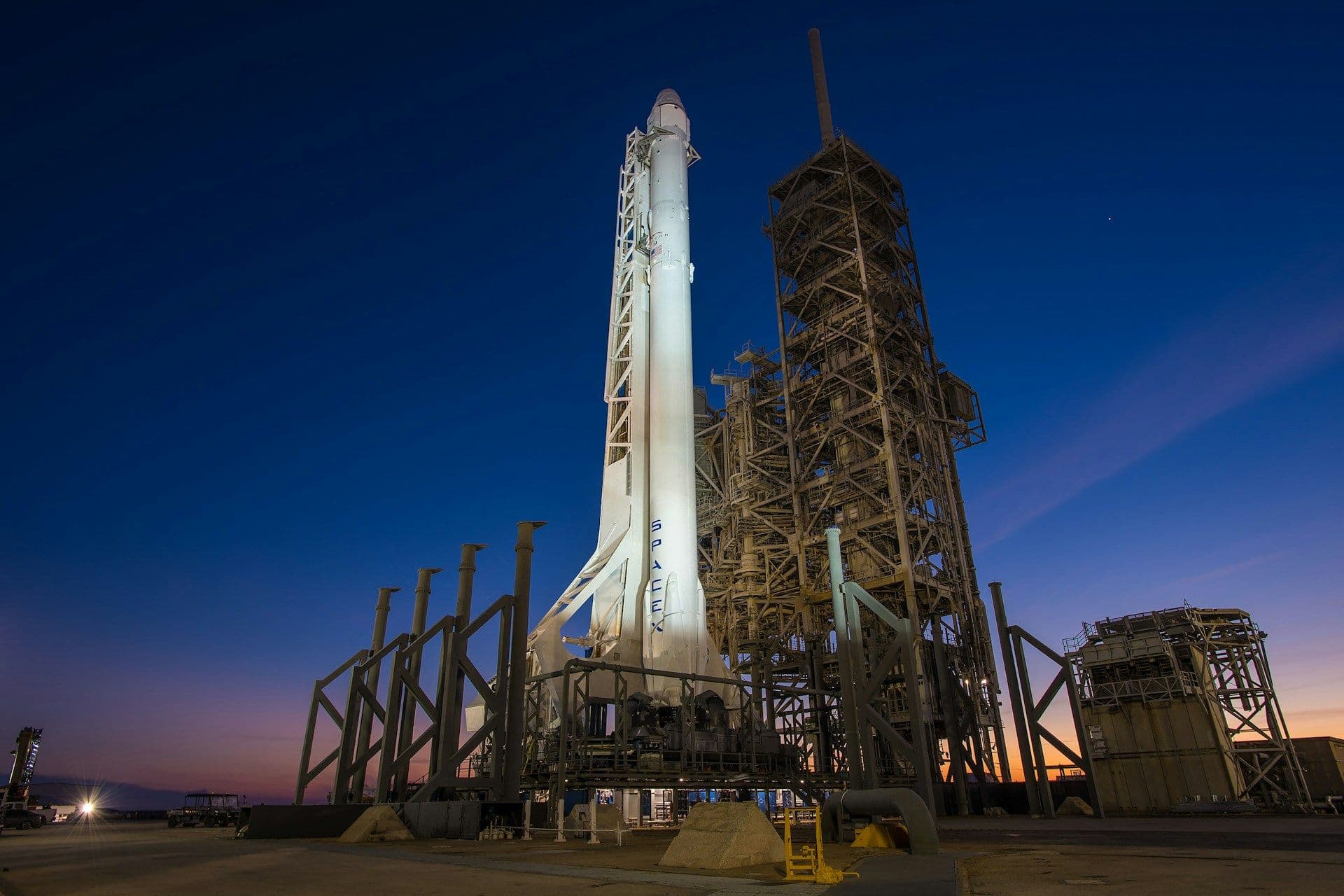
SpaceX has filed a Form 8-K with the U.S. Securities and Exchange Commission confirming an agreement to acquire Anysphere, Inc., the company identified in the filing as “Cursor,” in an all-stock merger valuing the business at $60.0 billion.
The filing says SpaceX, its wholly owned subsidiary X67 Inc., and Anysphere entered into an Agreement and Plan of Merger under which X67 will merge with and into Cursor. After the transaction closes, Cursor will survive as a wholly owned subsidiary of SpaceX.
The transaction adds another major artificial intelligence-linked asset to SpaceX’s corporate structure at a time when software, automation and model-driven development are becoming more central to large-scale engineering businesses. The size of the transaction places Cursor among the most significant AI-related acquisitions disclosed to U.S. regulators this year.
The Bigger Story Behind the Deal
SpaceX is best known for rockets, satellites and ambitious engineering projects, but the Cursor deal shows how much of its future may also depend on software. Modern aerospace companies are no longer shaped only by hardware. They rely on code to design systems, test ideas, manage operations and move faster across complex technical projects.
Cursor brings a different kind of asset into that picture. The company’s AI coding platform is built for developers, helping them write and refine software with the support of artificial intelligence. By bringing Cursor under its ownership, SpaceX would gain control of a tool that sits close to the daily work of engineers and software teams.
The deal also reflects a wider shift in technology. AI coding platforms are no longer being treated as simple productivity tools. They are becoming strategic infrastructure for companies that want to build faster, reduce development bottlenecks and keep more control over the software behind their operations.
SpaceX’s value in the deal goes beyond owning another AI company. The acquisition would give it direct access to a platform that could support how technical teams build, test and improve software across demanding engineering environments. Cursor, meanwhile, would move inside one of the world’s most closely watched technology companies, giving the AI coding firm a much larger stage for its next phase.
SpaceX’s AI Software Ambitions Grow
The filing does not include executive commentary, customer data, revenue figures or a detailed rationale for the acquisition. Even so, the transaction points to a clear strategic direction: SpaceX is moving to secure ownership of technology that could influence how complex software is written, tested and deployed across high-stakes engineering environments.
AI coding platforms are increasingly seen as productivity layers for technical teams. In industries where software touches manufacturing, simulation, communications, autonomy and mission-critical systems, the ability to control internal development tools can become a competitive advantage.
Cursor’s acquisition would give SpaceX ownership of a platform associated with AI-assisted programming at a time when large technology companies are competing to bring software development closer to automated, model-driven workflows. The deal may also raise questions about how AI tools developed for broad software markets are used inside specialized industrial and aerospace systems.