From One Restaurant to a Wider Group
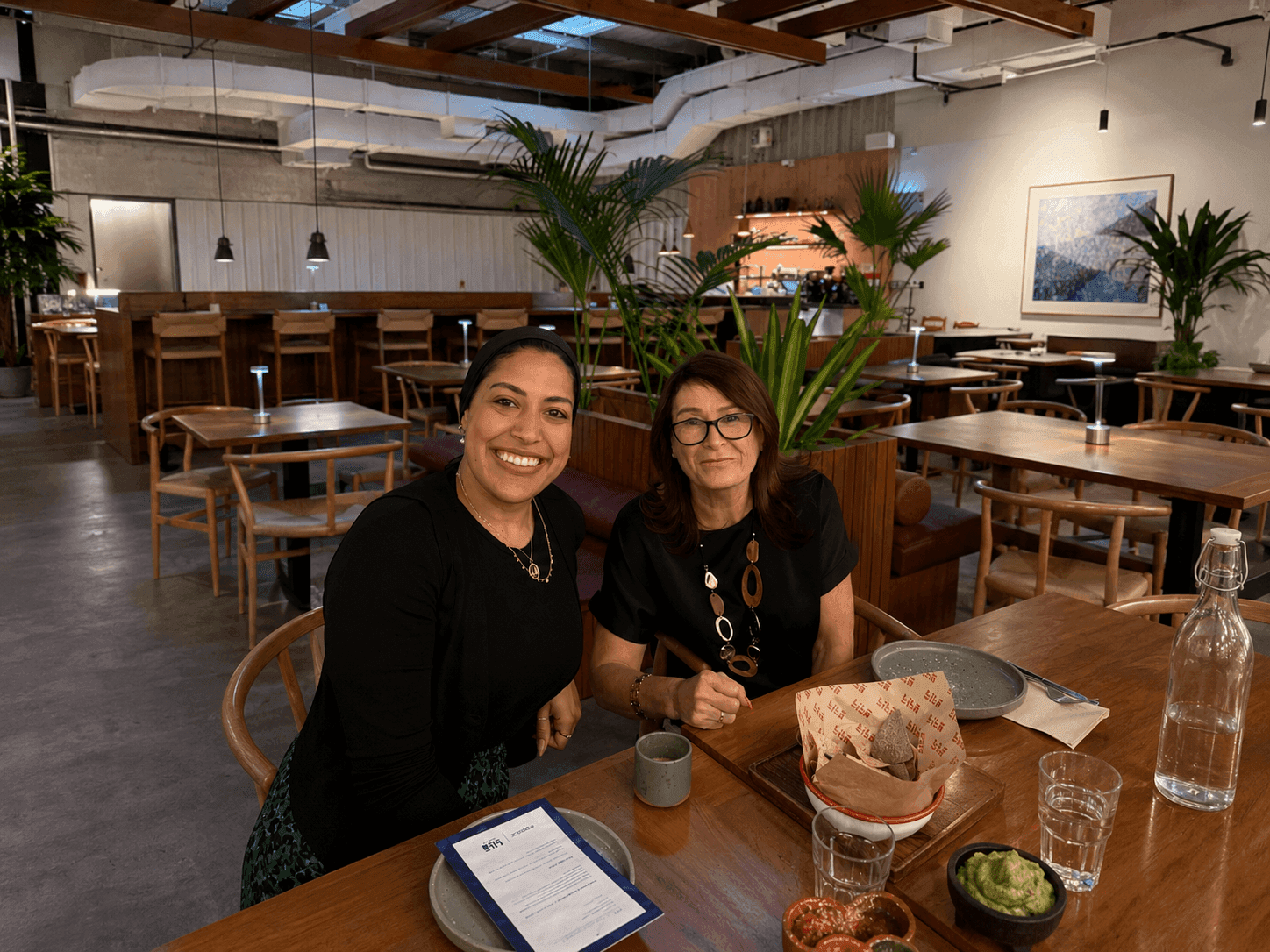
According to information shared by Foodics, Lash’s business has grown from a single restaurant into a three-brand, five-location group in about three years. The group began with Lila Taqueria in 2023, expanded with Lila Molino in 2024, and later added Tacos Caminos in 2025.
Foodics said the group has processed more than 85,000 orders through its platform since the launch of Lila Taqueria. The company also said Lila Molino recorded a 98% year-on-year increase in orders between 2024 and 2025 from a single location, while some menu items saw demand rise by more than 400% in one month.
The company-provided figures offer a useful window into how restaurant technology companies are trying to frame their value: not only as payment or checkout providers, but as systems that help operators understand customer behavior, menu performance, and the rhythm of day-to-day demand.
Why Restaurant Data Is Becoming More Important
Restaurant growth is often discussed through visible markers such as new branches, brand recognition, and customer queues. Table Talks points to a less visible layer: the data that sits beneath those signs of momentum.
In the Lila case study, Foodics said its platform connected POS activity, sub-cashier stations, and delivery-app orders into a single system. Restaurants now operate across several channels at once, with guests moving between dine-in visits, delivery orders, and social media discovery before returning to try something new.
Without integrated systems, operators can struggle to identify which dishes drive repeat visits, which menu items create operational pressure, and whether growth is coming from sustainable customer demand or short-term spikes.
Foodics said Chips, Salsas & Guacamole functioned as a key entry-point dish for Lila Molino customers, while signature items helped support repeat visits. The company also said Lila Molino now accounts for more than 54% of the group’s lifetime orders on the Foodics platform.
Foodics Pushes Beyond Software
Belal Zahran, Chief Revenue Officer of Foodics, said the new series was created to connect the hospitality community and make restaurant growth more transparent.
“Table Talks was created to bring our community together and uncover the stories behind successful hospitality brands and the decisions that drive their growth,” Zahran said. “Shaw’s journey highlights that scaling a restaurant business, while it all starts with a great concept, requires operational discipline, consistency, and the ability to make informed decisions at every stage. By sharing these experiences openly, we hope to create meaningful conversations and practical learning opportunities for the wider industry.”
The positioning reflects a broader shift among restaurant technology companies. Cloud POS and payment platforms are no longer selling only transaction tools. They are increasingly competing on analytics, integrations, embedded finance, operational visibility, and the ability to help owners make faster decisions across multiple branches and channels.
Foodics has been one of the more closely watched restaurant-technology companies in the Middle East and North Africa. The company was founded in 2014 and is headquartered in Riyadh. Its official website describes its product suite as a restaurant management and cloud POS platform built to streamline operations, online ordering, and sales.
In 2022, Foodics raised $170 million in a Series C round led by Prosus and Sanabil Investments, with participation from Sequoia Capital India and existing investors. Sanabil, which is backed by Saudi Arabia’s Public Investment Fund, also reported the round and said Foodics had processed more than 5 billion orders since its inception.
Building the Conversation Further
Foodics said Table Talks will continue as a recurring series, with future editions expected every few months. The company said the format will bring together hospitality founders and operators for conversations around restaurant growth, digital transformation, and the future of food and beverage in the region.
The first edition suggests Foodics is trying to build more than a customer event. It is also creating a platform for founder-led storytelling, data-backed case studies, and peer learning in a sector where operational discipline can determine whether a strong restaurant concept becomes a lasting business.
Dubai’s dining scene continues to reward distinctive homegrown concepts, but the next stage of competition may depend as much on what operators understand behind the scenes as what guests experience at the table.