Block News International

@2026 Block News International. All Rights Reserved.

Blends Media
A Blends Media Group Production

DIFC Reaches 10,000-Company Milestone Amid FinTech and Wealth Growth

Arry Hashemi
Arry Hashemi
Jul. 30, 2026
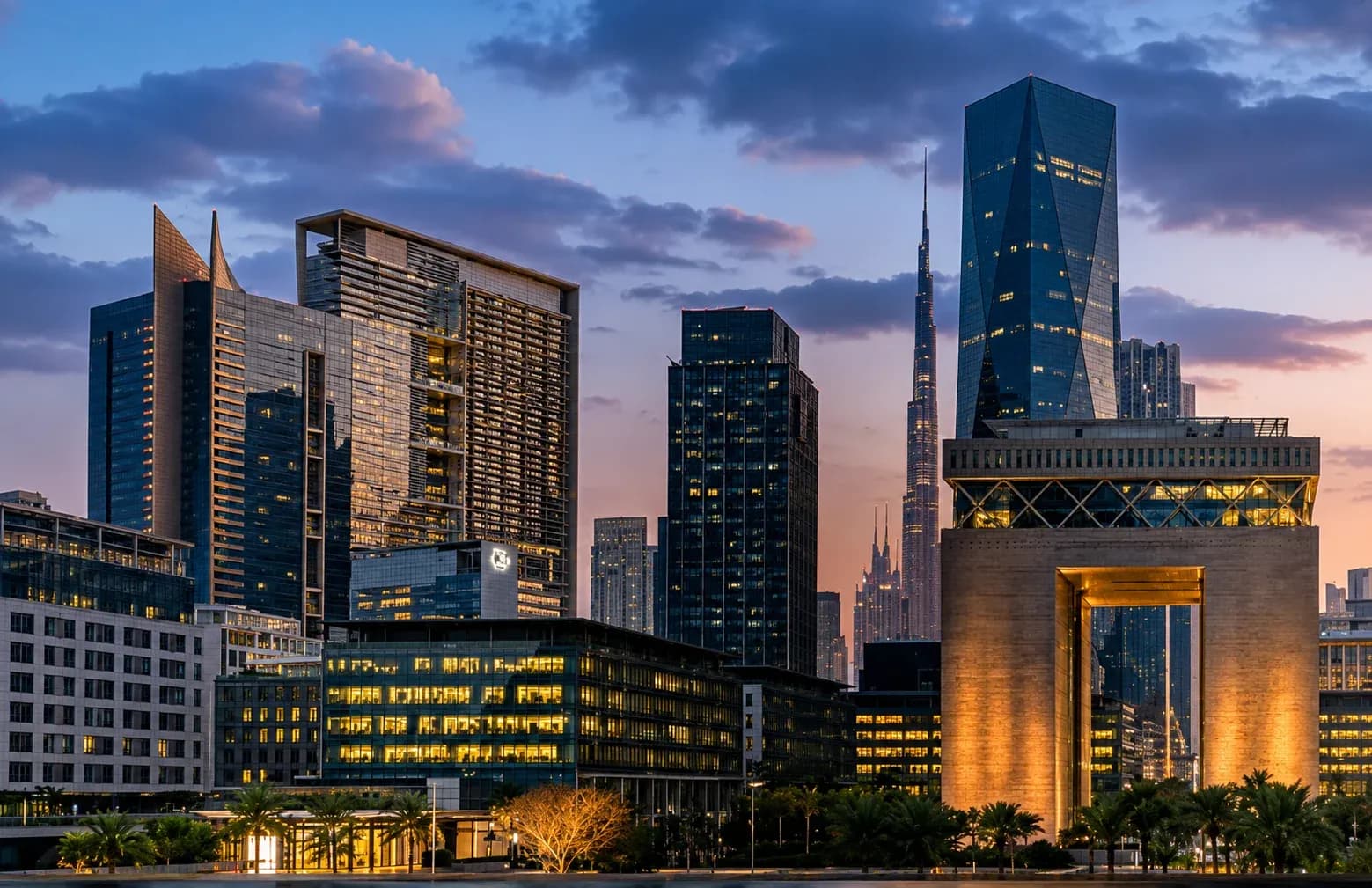
DIFCDubai International Financial Centre reported 10,018 active registered companies at the end of June 2026, reflecting continued growth across financial services, FinTech and private wealth. (Image source: DIFC)

Dubai International Financial Centre recorded more than 10,000 active registered companies for the first time during the opening half of 2026, as new registrations expanded across financial services, technology, insurance and private wealth.

The financial center ended June with 10,018 active companies after adding 2,318 new active registered businesses. DIFC described the increase as 30% organic growth over the previous 12 months.

Regulated financial services companies operating from the center rose 16% year over year to 1,134. The result adds scale to Dubai’s efforts to attract institutions seeking a regional base between markets in Asia, Europe and Africa, while also increasing the demands placed on its regulatory, legal and commercial infrastructure.

Financial Services Base Broadens

Banking, investment management and insurance remained central to the expansion. DIFC reported that its financial ecosystem included 327 banking and capital markets companies, 165 insurance and reinsurance businesses and 592 wealth and asset management firms at the end of the reporting period.

The companies establishing or expanding regional offices in DIFC since the first half of 2025 came from several parts of the financial industry. DIFC named businesses including Citadel, Sun Life, CapitaLand Investment, ICICI Prudential Asset Management, JP Morgan International Advisors, Allianz Trade Middle East and QIC among the recent additions to its ecosystem.

Insurance and reinsurance companies operating through the center generated gross written premiums of approximately $4.2 billion (AED15.42 billion) in 2025, according to DIFC.

Dubai’s standing as an international financial center also strengthened during the period, with the city rising to seventh place in the Global Financial Centres Index. DIFC said the result made Dubai the highest-ranked financial center in the Middle East, Africa and South Asia region.

The ranking provides additional context for DIFC’s expansion across banking, insurance, asset management, private wealth and financial technology. Dubai’s position reflects its growing role in connecting financial institutions and investors across Asia, Europe and the Americas. Although rankings can change as market conditions and industry assessments evolve, the seventh-place result supports the broader picture of a financial center attracting more regulated firms, technology companies and international capital.

Expansion within the center supports the Dubai Economic Agenda D33, which includes an objective of placing Dubai among the world’s four leading financial centers by 2033.
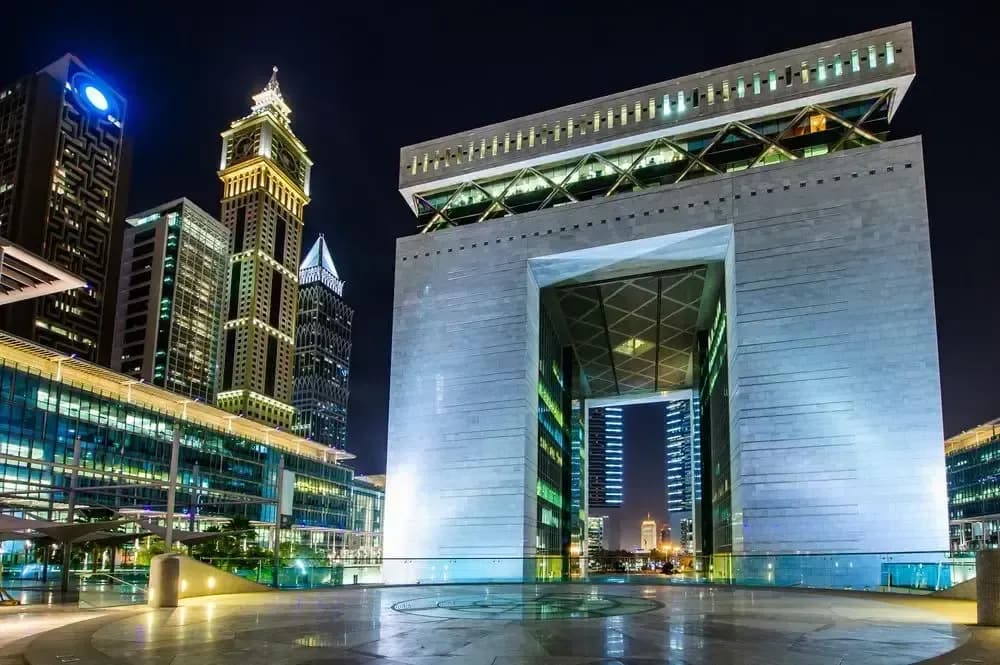
DIFC 2Growth across finance, technology and wealth management helped drive DIFC’s expansion in H1 2026. (Shutterstock)

AI and FinTech Companies Drive New Registrations

Technology-related businesses represented another source of growth. The DIFC Innovation Hub accepted 361 new companies during the first six months of the year, bringing the combined number of artificial intelligence, financial technology and other innovation businesses in the center to 1,933.

The total was 39% higher than a year earlier, extending growth from the 1,388 FinTech and innovation companies DIFC reported in the first half of 2025. The comparison indicates that the technology ecosystem added more than 500 companies over 12 months, although DIFC groups AI, FinTech and broader innovation businesses within the same headline category.

DIFC is simultaneously pursuing a plan to become what it calls the world’s first “AI-native” financial center. Under the initiative, artificial intelligence would be incorporated into regulatory processes, commercial operations, infrastructure and professional training rather than being limited to products developed by individual technology companies.

The center estimates that the program could create 25,000 jobs and generate approximately $3.5 billion (AED12.9 billion) in economic value.

Regulatory development will influence how far the strategy can progress. DIFC has proposed changes involving data protection and arbitration, including a 2026 consultation on amendments to its Arbitration Law. Policies governing data access, accountability and dispute resolution are likely to become more important as financial institutions deploy AI in areas such as compliance, customer service and risk assessment.

Growth in technology companies also increases competition for specialized workers. The DIFC Academy offered 144 programs during the first half, 22% more than in the corresponding period of 2025, as the center sought to expand training for financial services and the wider knowledge economy.

Private Wealth and Property Demand Increase

Private wealth structures continued to multiply alongside institutional financial businesses. DIFC reported 1,408 family-related entities at the end of the period, representing growth of 36% from a year earlier.

The number of foundations rose 67% to 1,409. Foundations are commonly used for purposes including asset holding, governance, succession planning and charitable activity, although the structure and objectives of each entity can vary considerably.

DIFC has been expanding services aimed at family businesses and private wealth, including an advisory council for its Family Wealth Centre and a leadership program for younger family members. The rise in entities reflects stronger demand for formal succession and governance arrangements as private capital moves between generations and across jurisdictions.

Office demand has followed the growth in registered businesses. DIFC said its 600,000-square-foot DIFC Square development was fully preleased before completion, while the launch of the DIFC Zabeel District extended its longer-term expansion beyond the center’s existing footprint.

Physical expansion is becoming increasingly important as company registrations, staffing and client activity place pressure on available space. Earlier in 2026, Dubai announced a larger DIFC development program valued at approximately $27.23 billion (AED100 billion), designed to accommodate future growth in finance, technology, education and related industries.