Artificial intelligence is beginning to reshape the hospitality sector, with hotel groups exploring how the technology can support more personalized guest experiences, improve operational decision-making and automate routine processes.
For STORY Hospitality, the potential of agentic AI lies not in replacing employees, but in allowing hotel teams to spend more time on the human interactions that guests remember.
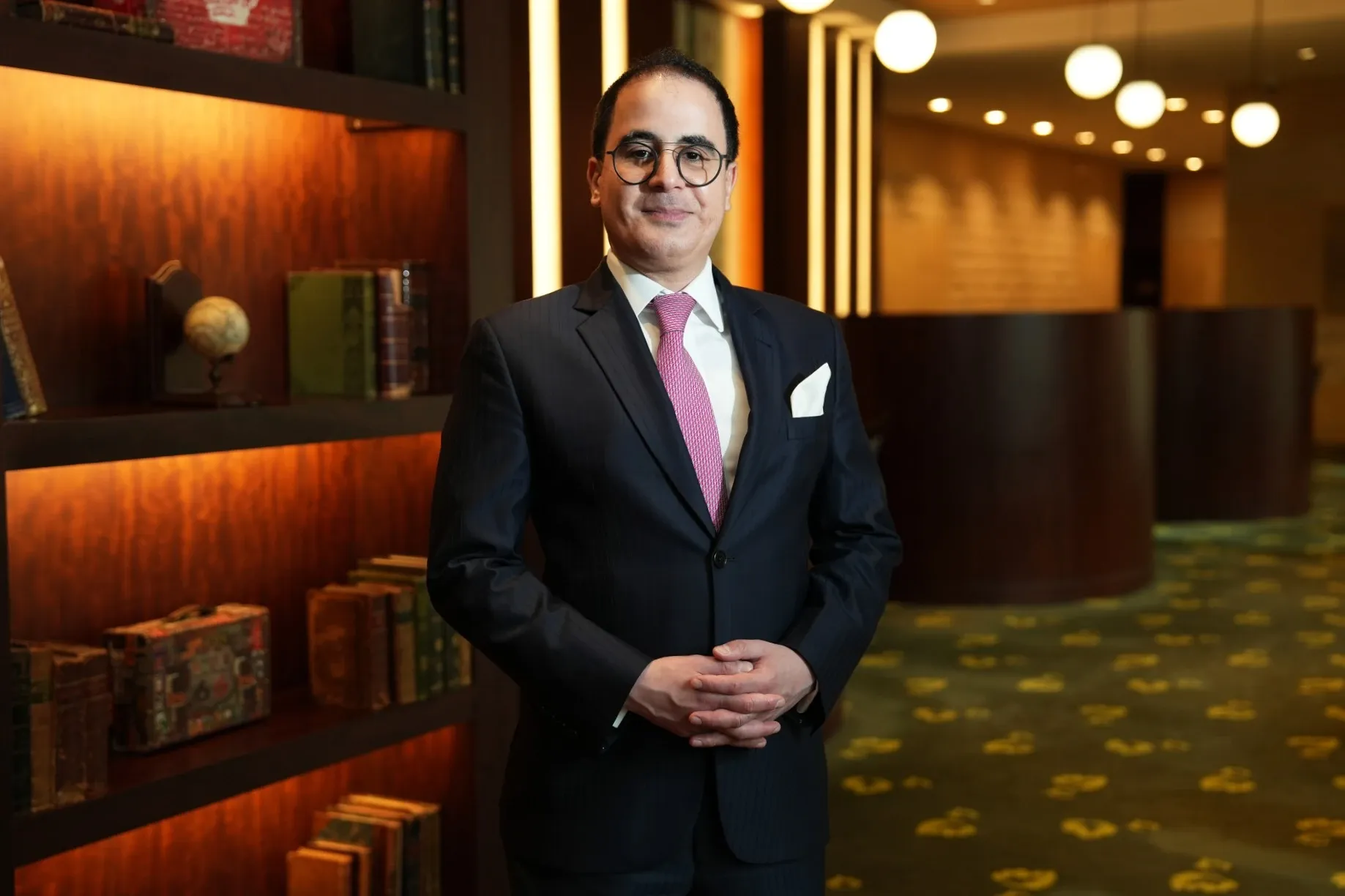
In an exclusive interview with Block News International, Victor Abou-Ghanem, CEO of STORY Hospitality, discussed the group’s approach to AI, the areas of hotel operations likely to benefit from greater automation and the importance of protecting guest privacy as intelligent systems become increasingly autonomous.
Abou-Ghanem also outlined how AI could change the hospitality industry over the next five years and explained why successful adoption will depend on balancing technological efficiency with authentic human service.
Q. STORY Hospitality's philosophy is that "every stay should tell a story." How do you see agentic AI enhancing personalised, locally-inspired guest experiences while preserving the human touch that defines hospitality?
Our philosophy has always been that every stay should tell a story, and technology should help us tell a better one, never replace the people behind it.
Agentic AI has the potential to understand guest preferences more intelligently, anticipate needs before arrival, recommend authentic local experiences, and remove friction throughout the journey. Instead of spending time on routine requests, our teams can focus on creating memorable moments that require empathy, creativity and genuine human connection.
The future of hospitality is not human versus AI. It is AI handling repetitive tasks, so our people can spend more time doing what guests remember long after check-out.
Q. Many hotel groups are exploring AI to improve efficiency. How is STORY Hospitality approaching agentic AI, and which areas of the guest journey do you believe stand to benefit the most?
We approach AI with a very practical mindset. Technology should solve real problems for guests and our teams, rather than being adopted simply because it is new.
Today we see the greatest opportunities across reservations, guest communications, concierge support, personalised recommendations, service requests and post-stay engagement. Behind the scenes, AI can also help optimise revenue management, forecasting and operational planning, allowing our teams to make faster, better-informed decisions.
Our objective is simple: reduce friction, improve personalisation and allow our colleagues to dedicate more time to delivering exceptional hospitality. This aligns with STORY Hospitality’s broader digital transformation strategy, where AI supports smarter decision-making while keeping the guest experience at the centre.
Q. As AI becomes more capable of acting autonomously, where do you believe the line should be drawn between intelligent guest service and experiences that may feel overly intrusive?
The line is very clear: AI should enhance convenience without compromising trust. Guests should always know when their data is being used, understand how it benefits their experience, and retain control over their personal information. Personalisation should feel thoughtful, not invasive.
Hospitality is built on relationships. If technology begins making guests uncomfortable, it has already failed its purpose. The most successful AI will be almost invisible, it simply makes the experience smoother while allowing genuine human interactions to remain at the centre.
Q. Are you currently evaluating or implementing agentic AI or other AI-powered technologies across your hotels? If so, can you share any examples, pilot projects, or lessons learned?
We have already introduced AI-enabled solutions in selected areas, including chatbot capabilities, guest communications and digital automation, while continuing to evaluate additional applications that create measurable value for both guests and hotel teams.
One of our biggest lessons has been that successful AI implementation is less about the technology itself and more about adoption. The best results come when AI complements existing workflows, simplifies daily operations and empowers employees rather than adding complexity.
As AI continues to evolve, we will remain focused on practical applications that enhance service quality while preserving the personalised experiences our brands are known for. At STORY Hospitality, we have also publicly highlighted investments in AI-powered revenue management and CRM automation as part of its technology roadmap.