Block News International

@2026 Block News International. All Rights Reserved.

Blends Media
A Blends Media Group Production

Nvidia Leads Microsoft and 35 Industry Leaders in Open Secure AI Alliance

Arry Hashemi
Arry Hashemi
Jul. 29, 2026
NvidiaNvidia has brought Microsoft and dozens of technology and cybersecurity organizations into the Open Secure AI Alliance, which aims to develop openly available tools for securing AI models, software and autonomous agents. (Shutterstock)

NVIDIA and more than 35 organizations have launched the Open Secure AI Alliance, a new industry initiative focused on developing open technologies intended to strengthen AI safety and cybersecurity as organizations deploy increasingly autonomous AI systems.

The alliance brings together companies spanning enterprise software, cybersecurity, cloud infrastructure, artificial intelligence research and open-source development. Founding participants include Microsoft, IBM, Cisco, Adobe, Dell Technologies, Hugging Face, Palo Alto Networks, CrowdStrike, Salesforce, SAP, ServiceNow, the Linux Foundation and several AI-focused organizations. The initiative aims to build and share open tools, models and frameworks that security professionals can inspect, adapt and deploy across different environments.

The alliance is centered on the idea that AI security should extend beyond the underlying model itself. Instead, members argue that effective protection depends on the broader ecosystem surrounding AI systems, including identity management, permissions, monitoring, evaluation frameworks, logging capabilities and security guardrails that govern how AI agents operate.

Open Defense Approach

Rather than advocating exclusively for either open or closed AI models, the alliance positions open security tooling as an important complement to commercial AI systems. NVIDIA said organizations need defensive technologies that security teams can inspect, test, adapt and deploy across multi-vendor environments instead of relying on a single proprietary platform.

The company linked that argument to the growing role AI is expected to play in cybersecurity, where defenders increasingly use machine learning to detect threats, investigate attacks and automate portions of incident response. As AI capabilities expand, alliance members argue that security teams should be able to understand how defensive tools operate and integrate them into existing security environments rather than relying on opaque systems.

That philosophy also reflects longstanding practices within cybersecurity, where open-source software has frequently been used to identify vulnerabilities, improve transparency and accelerate collaborative security research. NVIDIA said the alliance builds on the Linux Foundation’s Akrites initiative and related work by the Open Source Security Foundation community.
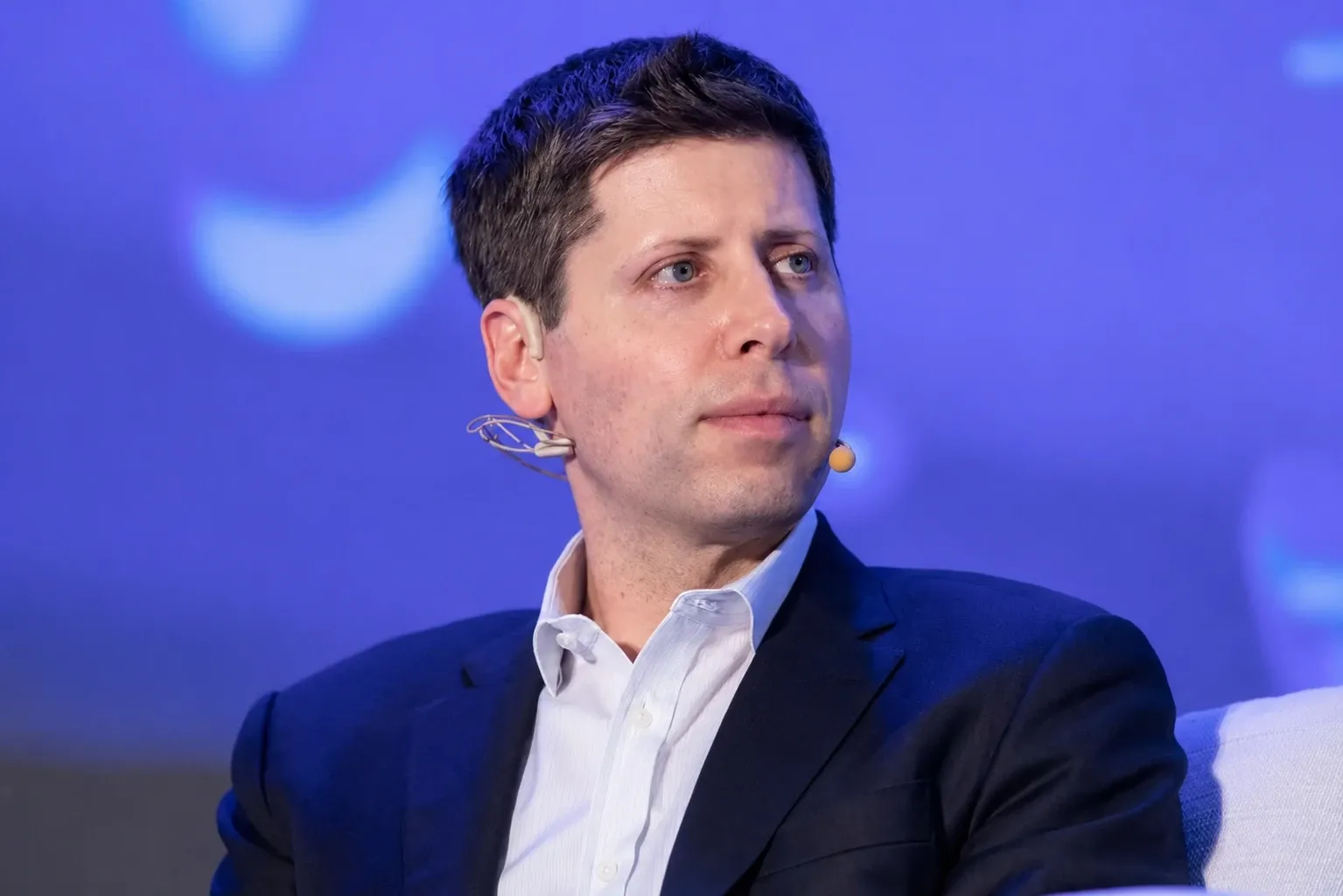

Sam AltmanOpenAI is absent from the alliance, while founding member Hugging Face’s recent security incident underscored the case for open AI tools that defenders can run on their own infrastructure. (Shutterstock/Modified by Block News International)

Recent Security Incident Added Momentum

The launch follows increased industry attention on AI security after the recent Hugging Face security incident, which NVIDIA referenced as an example of the operational challenges defenders may face when advanced AI systems are involved.

The incident demonstrated that organizations sometimes need security tools they can inspect and operate directly within their own infrastructure during incident response. The company argued that relying solely on externally controlled systems may limit investigators when rapid analysis is required.

The alliance enters an industry debate over how AI systems should be secured and governed. Its stated focus is narrower than the broader divide between open and proprietary models, concentrating instead on defensive tools that organizations can inspect, adapt and deploy across different systems and providers.

Contributions From Founding Members

NVIDIA said it will contribute several open resources to the alliance, including AI models, model weights, datasets and research related to AI agent security.

Among those contributions is the newly announced NVIDIA Labs Object-Oriented Agent (NOOA) research project, an open-source framework designed to help developers test, trace, audit and govern AI agent behavior. The framework is intended to improve how external safety systems interact with AI models throughout development and deployment.

Across the alliance, participating organizations are expected to contribute technologies covering multiple areas of AI security. These include secure model formats, identity controls, isolated execution environments, secure coding workflows, model evaluation techniques and tools designed to scan AI systems operating across multiple models and vendors.

Broader Debate Over Open AI

The initiative also arrives as technology companies continue debating the role of openness in advanced AI development.

Some organizations argue that broader access to AI models and research encourages transparency, independent security testing and faster innovation. Others have maintained that restricting access to frontier AI systems reduces the risk of misuse and improves safety controls.

The Open Secure AI Alliance does not seek to resolve that broader debate. Instead, it focuses specifically on defensive cybersecurity capabilities, arguing that organizations responsible for protecting critical infrastructure should have access to security technologies they can independently examine, improve and integrate into existing environments. NVIDIA described open and proprietary AI approaches as complementary rather than mutually exclusive, emphasizing that practical AI security depends on the entire operational stack rather than model access alone.

Industry Collaboration Expected to Expand

The alliance launches as governments and enterprises continue increasing investment in AI infrastructure while simultaneously facing new cybersecurity risks associated with autonomous software agents and large language models.

Whether the initiative ultimately produces widely adopted security standards remains to be seen. However, the breadth of its founding membership highlights a growing consensus across parts of the technology industry that securing AI systems will require collaboration extending beyond individual vendors.

The initiative also gives security researchers and enterprise teams a shared forum for developing, testing and refining open defenses as AI agents take on a larger role across software, cloud and business systems.