

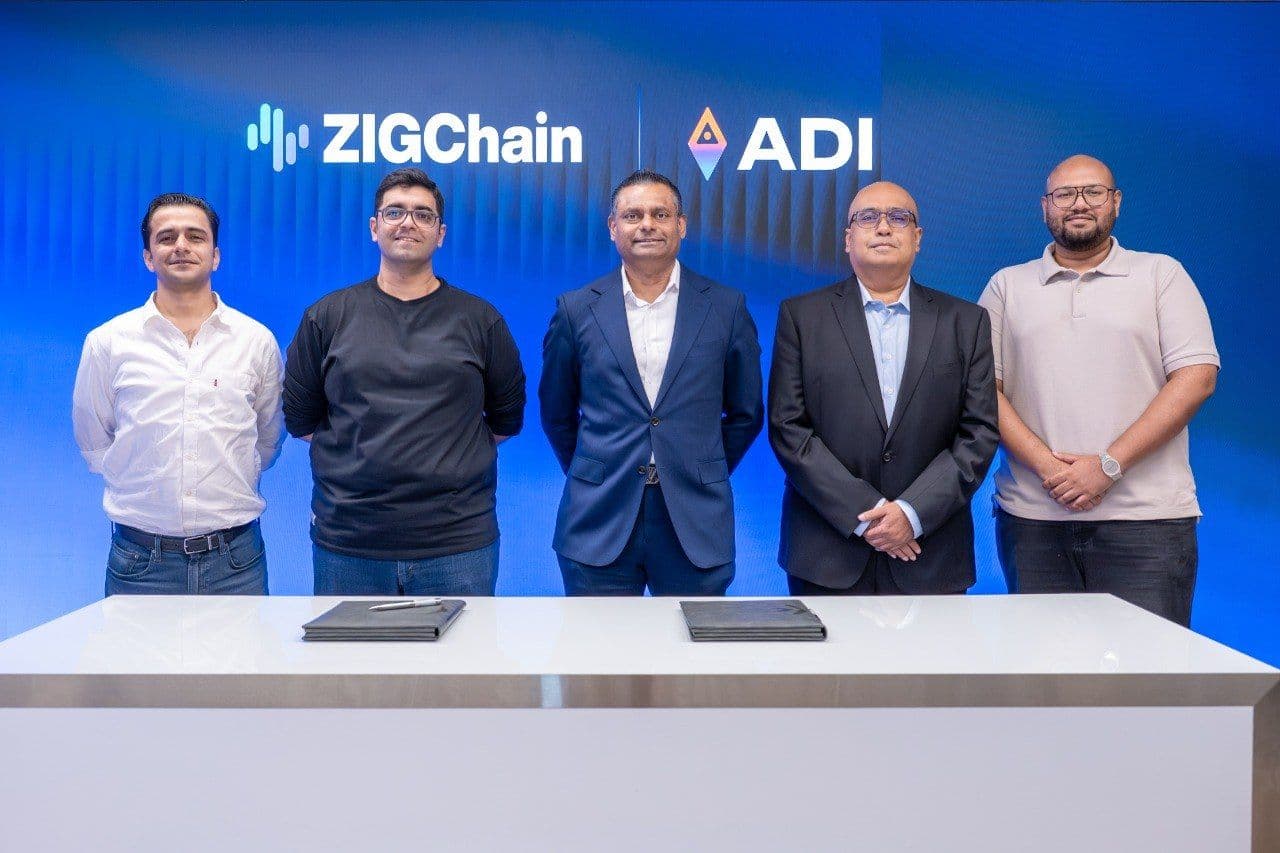
 The partnership brings together ADI Chain’s blockchain settlement infrastructure and ZIG Markets’ asset origination, tokenization and distribution capabilities. (Image source: GlobeNewswire)
ADI Chain and ZIGChain have signed a memorandum of understanding to develop stablecoin-based infrastructure for tokenized real-world assets, initially targeting financing activities tied to everyday business operations.
The agreement was signed with ZIG Markets, which serves as an access and distribution layer within the ZIGChain ecosystem. The parties intend to explore products linked to receivables, supply-chain finance, working capital for small and midsized businesses, and private credit.
Rather than announcing a completed platform, the memorandum establishes a framework under which the parties can jointly develop and distribute financial products. Specific launch dates, participating lenders, asset issuers, transaction volumes and committed investment capital were not disclosed.
ADI Chain is expected to provide the blockchain and settlement layer, while ZIG Markets will contribute capabilities related to asset origination, tokenization, vault infrastructure and distribution. The arrangement is designed to connect assets created or structured through ZIG Markets with settlement infrastructure operating through the ADI Chain ecosystem.
Stablecoins would serve as the settlement instrument for the proposed products. In practice, that could allow payments associated with a tokenized receivable or private-credit position to be recorded and transferred on-chain without requiring the underlying business obligation itself to originate as a cryptocurrency transaction.
The collaboration is also intended to operate across both ecosystems, creating potential channels through which issuers can reach capital providers and investors can gain access to tokenized financial assets.
Receivables and supply-chain finance differ from the government bonds and money-market instruments that have led much of the institutional tokenization market. These forms of financing are linked more directly to invoices, inventory purchases and the short-term cash-flow requirements of operating companies.
Under the proposed model, a business asset such as an approved invoice could be structured digitally and offered to eligible capital providers. Stablecoins could then be used for funding, repayment or settlement, while blockchain records could provide a shared account of ownership and transaction activity.
ADI Chain and ZIGChain said the initial scope may later expand into trade finance, treasury products, tokenized funds and other real-world asset categories. The MOU also allows the parties to assess Shariah-compliant structures, an area that could become particularly relevant when developing financing products for institutions and businesses across the Gulf region.
The agreement reflects an effort to apply tokenization to financing activities connected to day-to-day business operations. Rather than focusing only on digital representations of highly standardized assets, the proposed framework would extend into receivables, working capital, supply-chain finance and private credit.
These asset classes are more complex than simply creating and transferring a blockchain-based token. Their viability depends on how the underlying obligations are assessed, documented, serviced and enforced, as well as how investors are protected if a borrower fails to repay.
ADI Chain and ZIGChain will therefore need to demonstrate that their planned infrastructure can support more than issuance and settlement. Progress will depend on the quality of the underlying assets, the strength of the legal arrangements and the ability to manage repayment, compliance and credit risk throughout each product’s life cycle.
Ramana Kumar, president of the stablecoin ecosystem at ADI Foundation, said: “ADI Chain’s sovereign and Institutional-grade blockchain is best placed to bring high-quality RWAs on-chain to distribute across institutional, semi-institutional, family offices, funds, and retail investor base. Through this MOU with the ZIGChain ecosystem, we're utilizing our infrastructure and capabilities to build RWA tokens across trade and supply chain receivables, working capital, and private credit with better efficiency and speed compared to traditional financial systems and processes.”
Abdul Rafay Gadit, co-founder of ZIGChain, stated: “Real-world assets need more than tokenization, they need origination, capital formation, and distribution. ADI Chain contributes to the regulated settlement. Receivables financing, working capital, private credit, these all need a partner that can structure the asset, bring it onchain, and attract the right capital to really put it to work. That's the gap ZIG Markets fills. Together, this is what onchain capital markets infrastructure is supposed to look like: productive financial activity that institutions, builders, and users can access at scale.”
ADI Foundation describes itself as an Abu Dhabi-based nonprofit supporting digital infrastructure adoption among governments, financial institutions and enterprises. The project was founded by Sirius International Holding, the digital technology subsidiary of International Holding Company.
The MOU establishes a broad framework for developing stablecoin-based financial products across multiple asset classes. The partnership is expected to focus on building the infrastructure, distribution channels and product structures needed to support institutional participation in tokenized finance.
Asset selection will also be central to the partnership’s progress. Receivables, working-capital facilities and private-credit instruments carry different maturity profiles, documentation requirements and credit risks. Building a common technical settlement layer may streamline some processes, but it does not remove the need for due diligence and enforceable off-chain agreements.
The partnership’s next phase is expected to focus on identifying suitable assets, issuers and funding partners while advancing the infrastructure needed for issuance, settlement, servicing and repayment. The agreement provides a foundation for developing practical tokenized-finance products and expanding institutional participation in the sector.

Saudi startup scales its AI ambitions
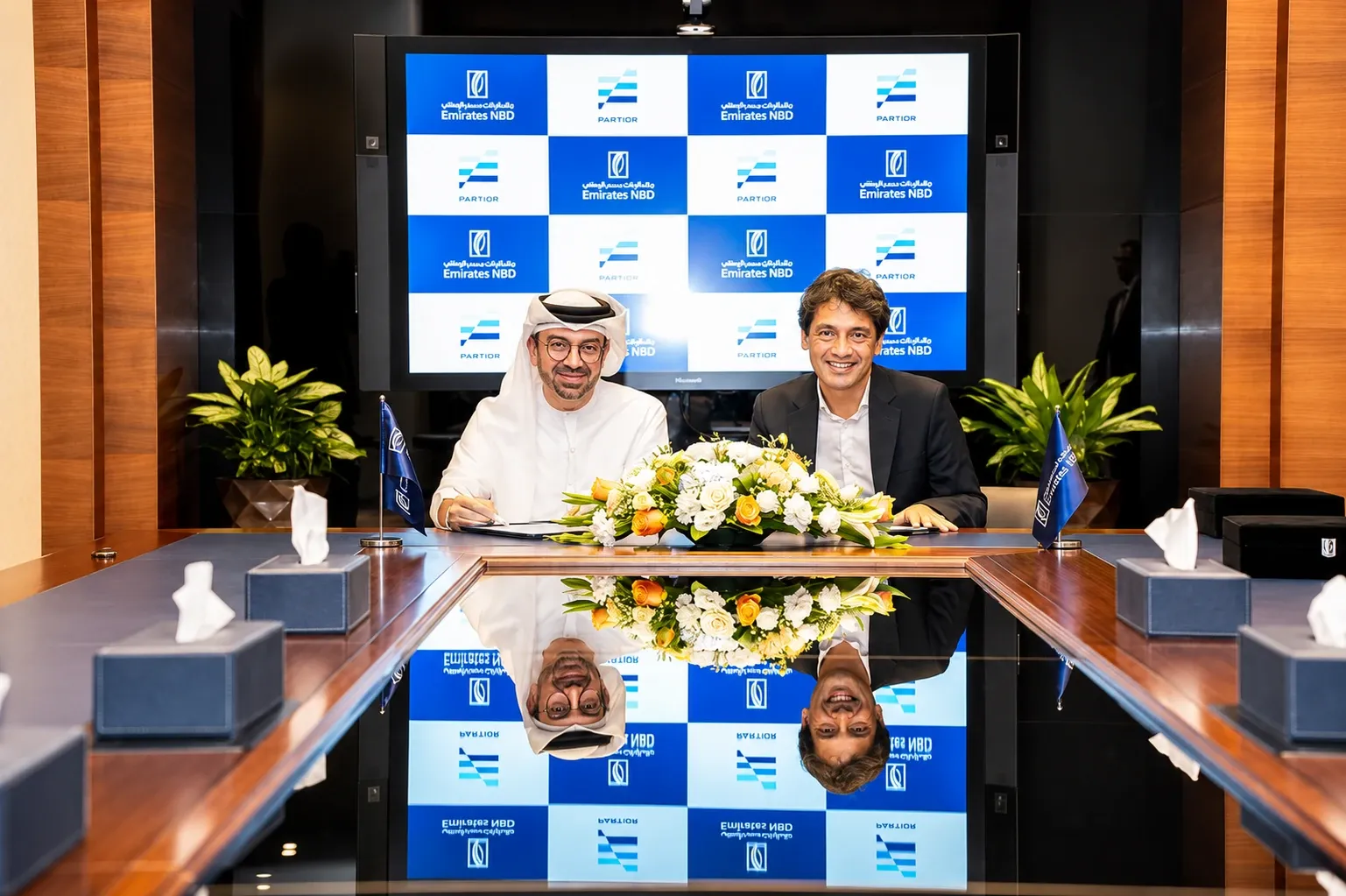
Partior powers faster cross-border settlements
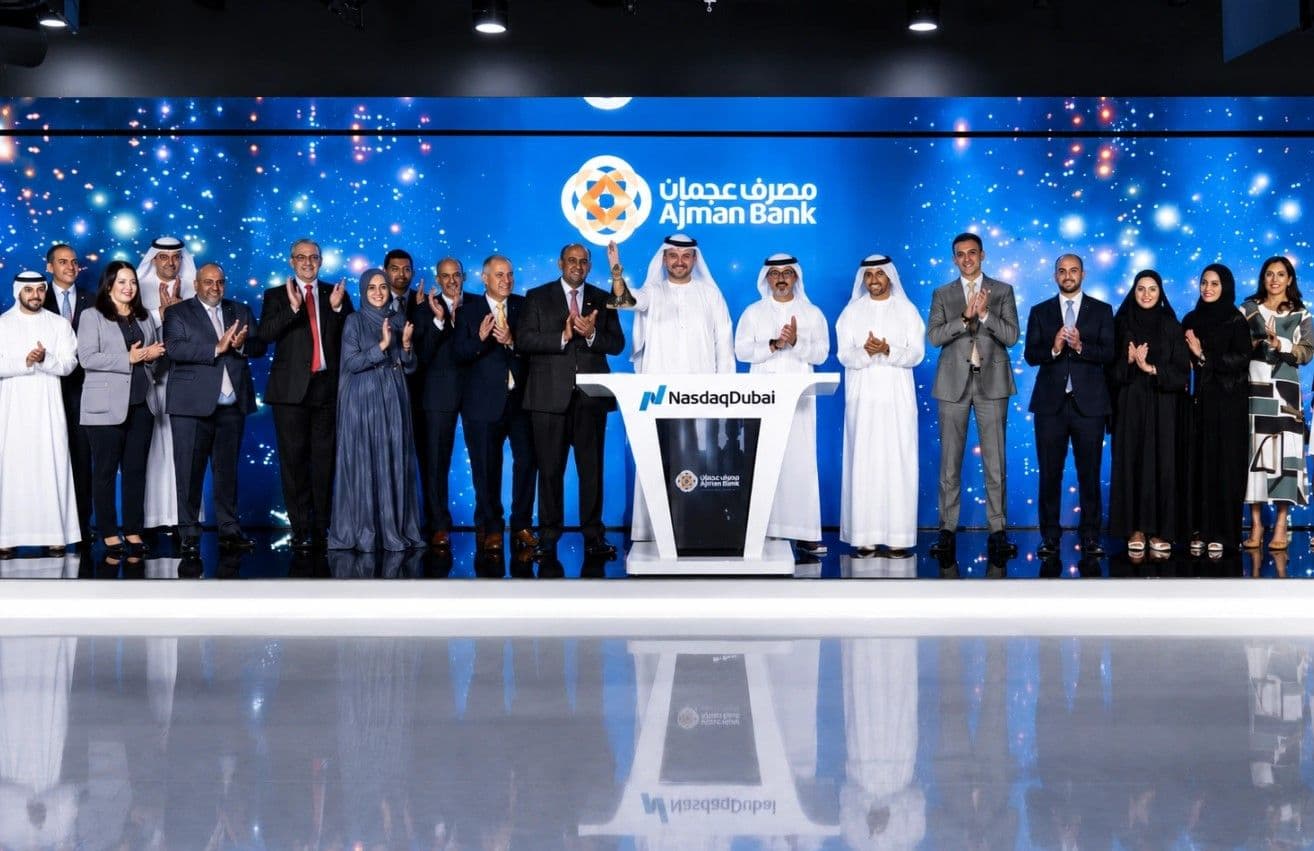
Nasdaq Dubai welcomes Ajman Bank’s $300 million Sukuk
Everyday finance gets a Tabby upgrade

Stay ahead with the latest updates, insights, and trends shaping the world of finance, investment, blockchain, digital business, fintech, technology, and global markets.
