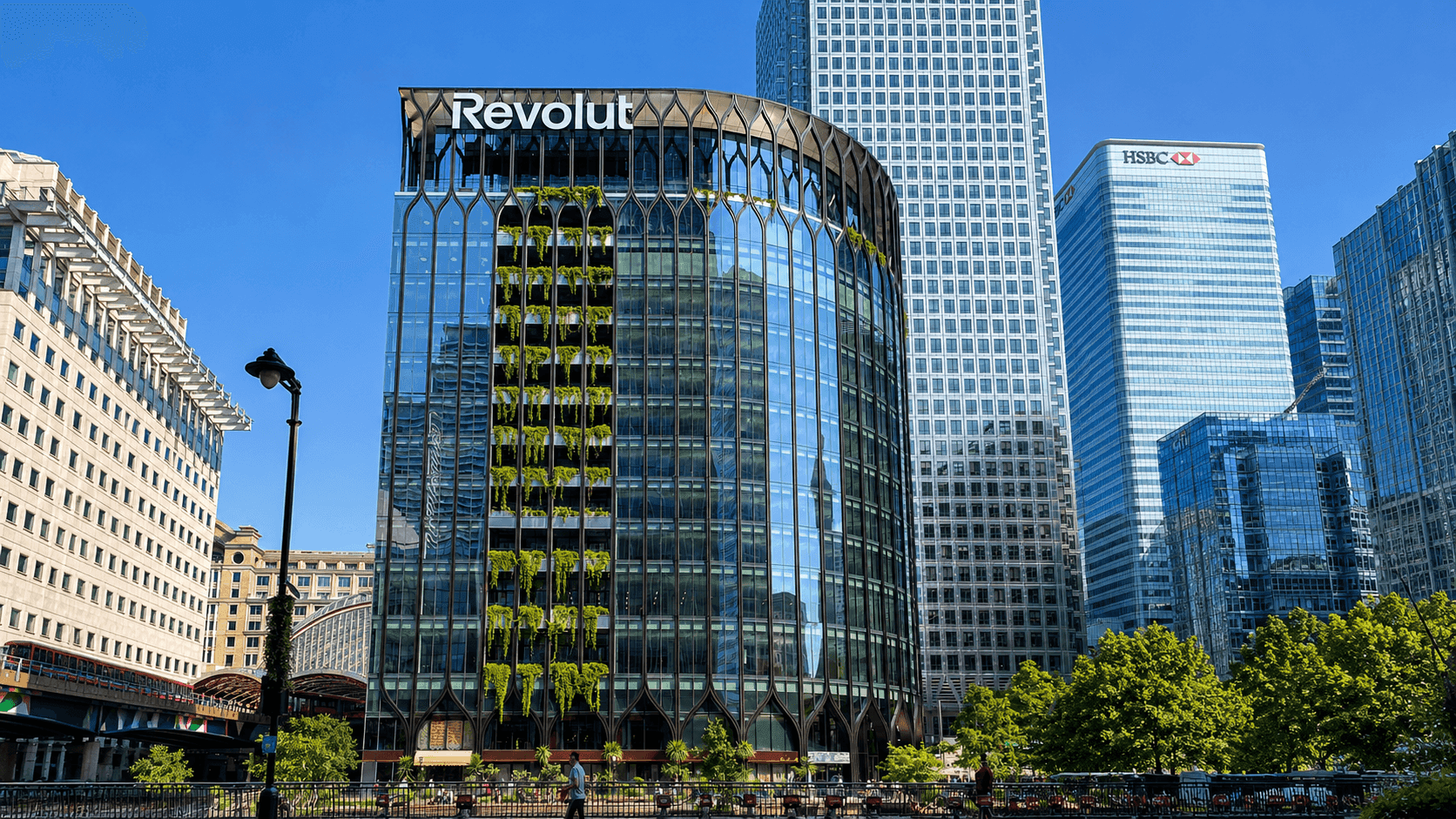
Preliminary Status Keeps Launch Conditional
Although in-principle approval represents progress in a licensing application, it should not be treated as equivalent to a full operating license. VARA describes the designation as a conditional stage that allows an applicant to complete outstanding requirements before receiving final authorization.
The regulator’s application guidance says virtual asset firms seeking to operate in or from Dubai, excluding the Dubai International Financial Centre, must obtain authorization before commencing regulated activity. Applicants may be required to provide extensive documentation covering ownership, senior management, governance, financial projections, proof of capital, insurance, risk controls, compliance arrangements, and plans for an orderly wind-down.
Revolut will also be expected to comply with the rulebooks applying to each approved activity. VARA’s Exchange Services Rulebook, for example, includes requirements concerning market surveillance, trading systems, settlement, public disclosures, and participant conduct. Its Management and Investment Services Rulebook addresses areas including client suitability, staff competency, valuation, reporting, risk management, fees, and client agreements.
These requirements mean Revolut’s eventual product offering may be shaped by conditions imposed during the final review. Availability could also depend on customer eligibility, asset approval, risk assessments, and product-specific controls.
Payments Licenses Support a Broader Market Entry
Revolut’s crypto application follows progress in a separate UAE regulatory process covering conventional payment services. In June, the company announced that it had obtained Stored Value Facilities and Retail Payment Services Category II licenses from the Central Bank of the UAE.
Those licenses followed preliminary approval granted in September 2025 and completed the central bank licensing process for the specified payment activities. The company said it was preparing a localized product offering ahead of a broader launch.
The payment and virtual asset approvals involve different regulators and distinct regulated activities. The Central Bank of the UAE oversees the country’s licensed financial institutions and payment activities within its jurisdiction, while VARA regulates virtual asset activity across Dubai’s mainland and free zones, except for the Dubai International Financial Centre.
Securing both sets of permissions would allow Revolut to pursue a more integrated UAE proposition rather than entering solely as a cryptocurrency platform. Its established model combines spending, transfers, currency exchange, savings, and investment-related products within a single application, though the exact services available differ by jurisdiction.
Revolut Builds Momentum in the UAE Market
The UAE has become an important expansion market for international fintech and digital asset companies seeking access to Gulf customers. Dubai’s dedicated virtual asset framework has created a defined licensing route, but operators still face extensive obligations covering governance, capital, technology, market conduct, anti-money laundering controls, and customer protection.
Revolut’s application also signals that competition in the UAE’s regulated cryptocurrency sector is extending beyond specialist exchanges. Companies with large existing retail finance platforms are increasingly seeking to place digital assets alongside more traditional financial services, potentially giving customers fewer reasons to move money between separate banking and trading applications.
Revolut’s progress also reflects a broader effort to establish itself as more than a payments provider in the Emirates. The company has already secured separate UAE approvals for stored-value and retail payment services, while its proposed crypto offering would add exchange, broker-dealer, and investment capabilities. Bringing those products together could strengthen Revolut’s appeal among customers who prefer to manage everyday finances and digital assets through one platform, although the company must still complete VARA’s licensing process before launching the crypto services.