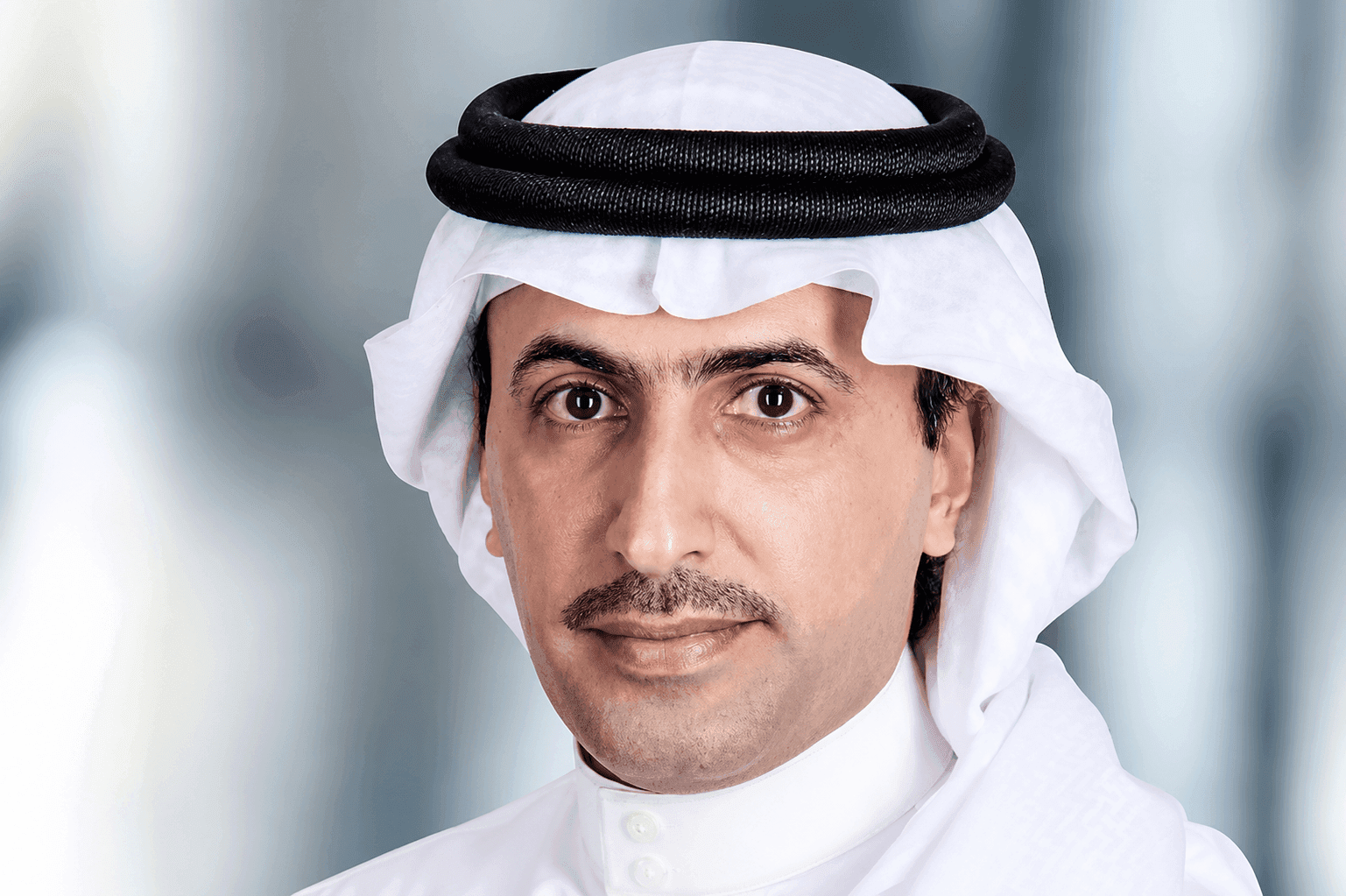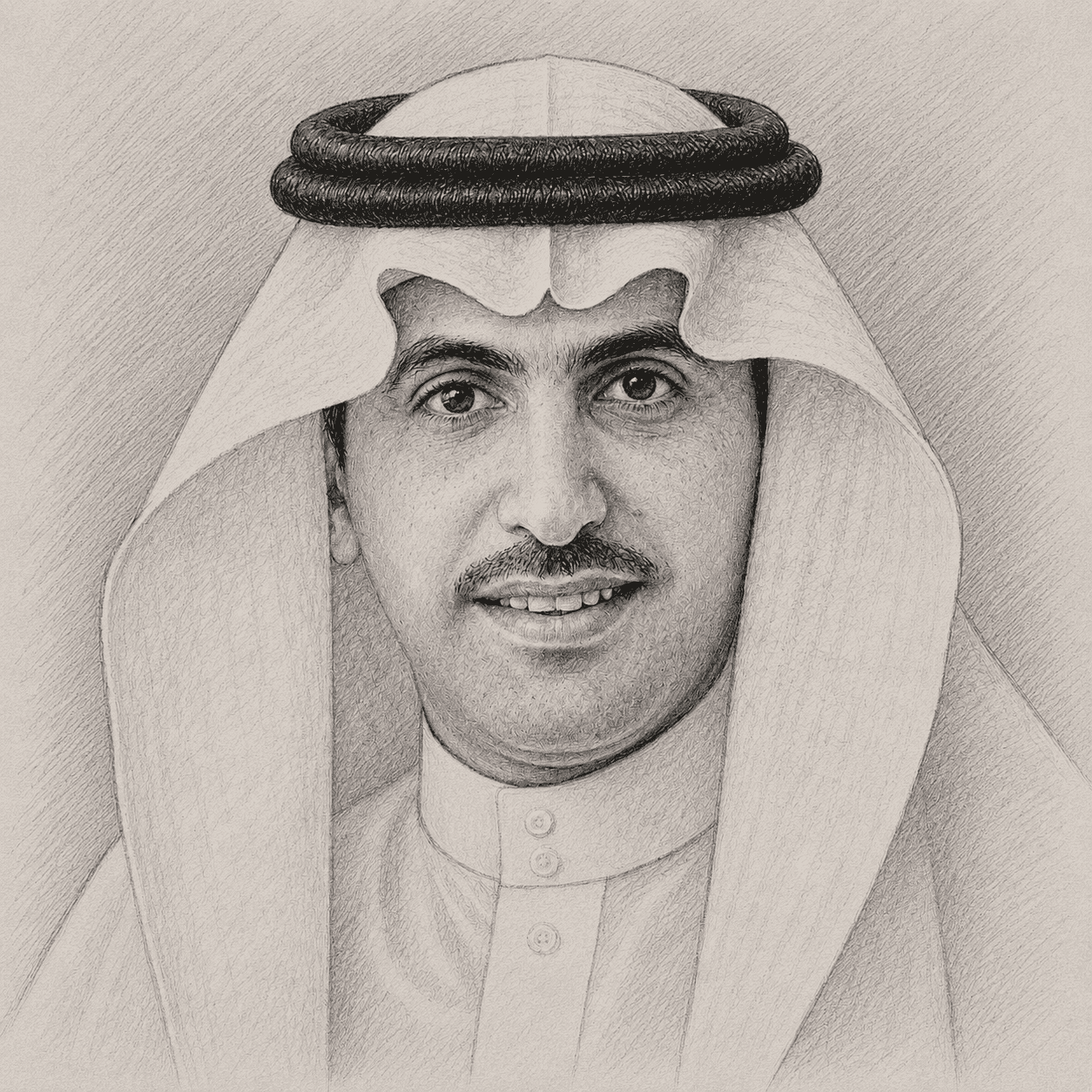
Waleed Abdullah Al-Mogbel leads one of the most important financial institutions in the Middle East at a time when Islamic banking is moving deeper into digital services, sustainable finance and large-scale consumer banking.
As managing director and chief executive officer of Al Rajhi Bank, Al-Mogbel sits at the center of a Saudi banking giant with deep roots in Sharia-compliant finance. The bank, founded in 1957, has grown into one of the largest banks in the region by assets and remains one of the most recognized names in Islamic banking.
His leadership profile reflects a mix of accounting discipline, operational experience and long-term institutional knowledge. Al-Mogbel is not an outside executive brought in to reset the bank’s direction. His rise came from within Al Rajhi Bank, where he held senior roles across finance, operations, information technology and executive management before becoming CEO at the start of 2020.
That background has helped shape a leadership style built around scale, efficiency and execution. In a market where banks are under pressure to modernize quickly, Al-Mogbel’s task has been to protect Al Rajhi Bank’s core strengths while pushing the institution further into digital, data-driven and diversified financial services.
A Career Built Inside the Bank
Al-Mogbel’s career at Al Rajhi Bank includes several key executive posts. He served as chief financial officer in 2010, became chief operation and information technology officer in 2014, and was appointed deputy chief executive officer in 2019. In January 2020, he became CEO of the bank.
That internal path matters. Few banking roles require as much balance as leading a major Islamic lender with a large retail base, complex regulatory obligations and a growing corporate banking footprint. Al-Mogbel’s earlier finance and operations roles gave him exposure to the machinery behind the bank’s balance sheet, technology systems and customer-facing business lines.
In 2022, Al Rajhi Bank’s board approved his appointment as board member and managing director in addition to his role as CEO. The move placed him not only in charge of management execution but also closer to the bank’s strategic decision-making structure.
His academic background also fits the profile of a finance executive shaped by technical discipline. Al Rajhi Bank lists his qualifications as a Ph.D. in auditing from Cardiff University, a master’s degree in finance from the University of Southampton and a bachelor’s degree in accounting from King Saud University.
Managing Scale in a Changing Market
Al Rajhi Bank operates in a Saudi market that is being reshaped by Vision 2030, digital adoption, capital market development and rising demand for corporate, retail and small-business finance. Under Al-Mogbel’s leadership, the bank has continued to expand while maintaining a strong position in Islamic banking.
The bank’s own investor materials describe it as a Sharia-compliant banking group rooted in Islamic banking principles. That positioning is more than branding. It defines the bank’s product structure, governance model and customer proposition across retail banking, corporate finance, treasury, remittances and investment-linked services.
Recent financial results underline the size of the platform Al-Mogbel oversees. In the first nine months of 2025, Al Rajhi Bank reported net income after zakat of about $4.91 billion (SAR 18.4 billion), up 29.6% year on year. Total assets reached about $282.67 billion (SAR 1.06 trillion), while net financing rose to about $201.6 billion (SAR 756 billion). The bank also reported a return on equity of 23.5%, an operating efficiency ratio of 22.5% and a non-performing loan ratio of 0.76%.
Those figures point to a leadership challenge that is both simple and difficult: keep growth moving without weakening discipline. Banking scale can create momentum, but it can also create risk. Al-Mogbel’s tenure has coincided with a period in which Al Rajhi Bank has tried to combine expansion with capital strength, liquidity and operational efficiency.