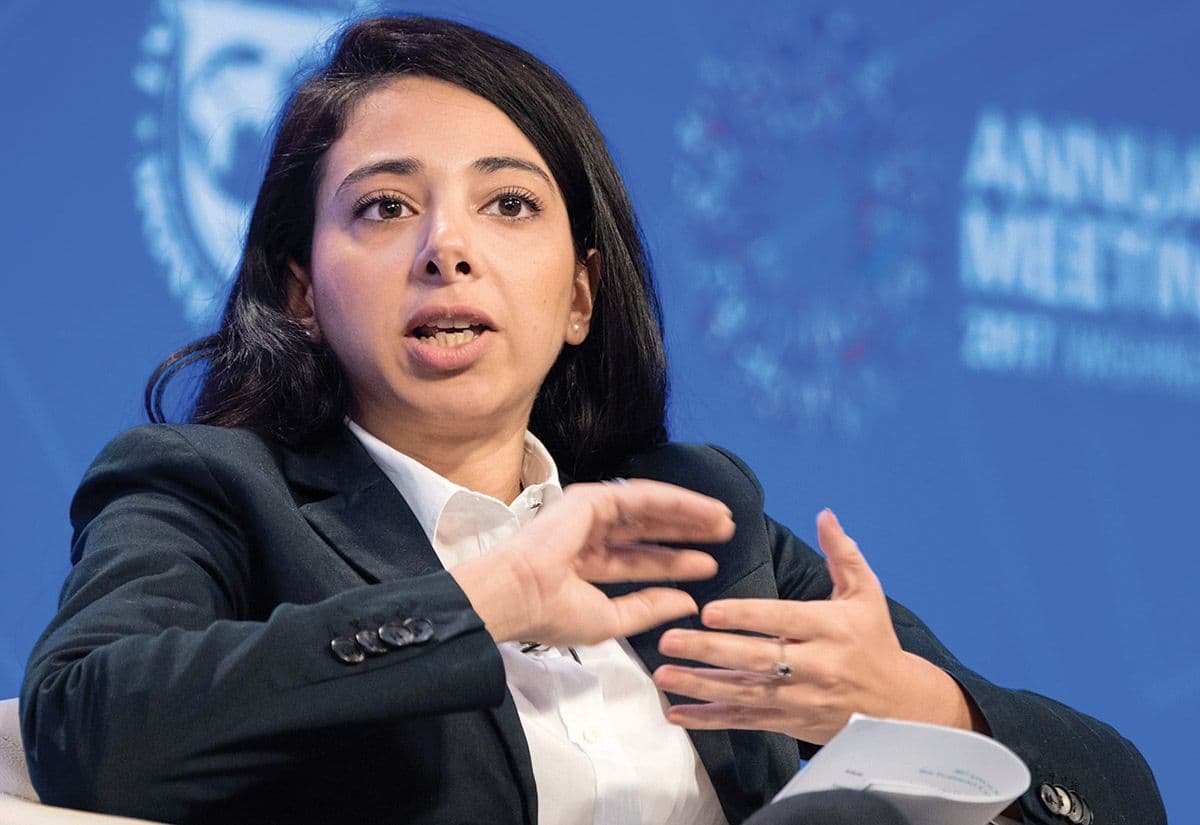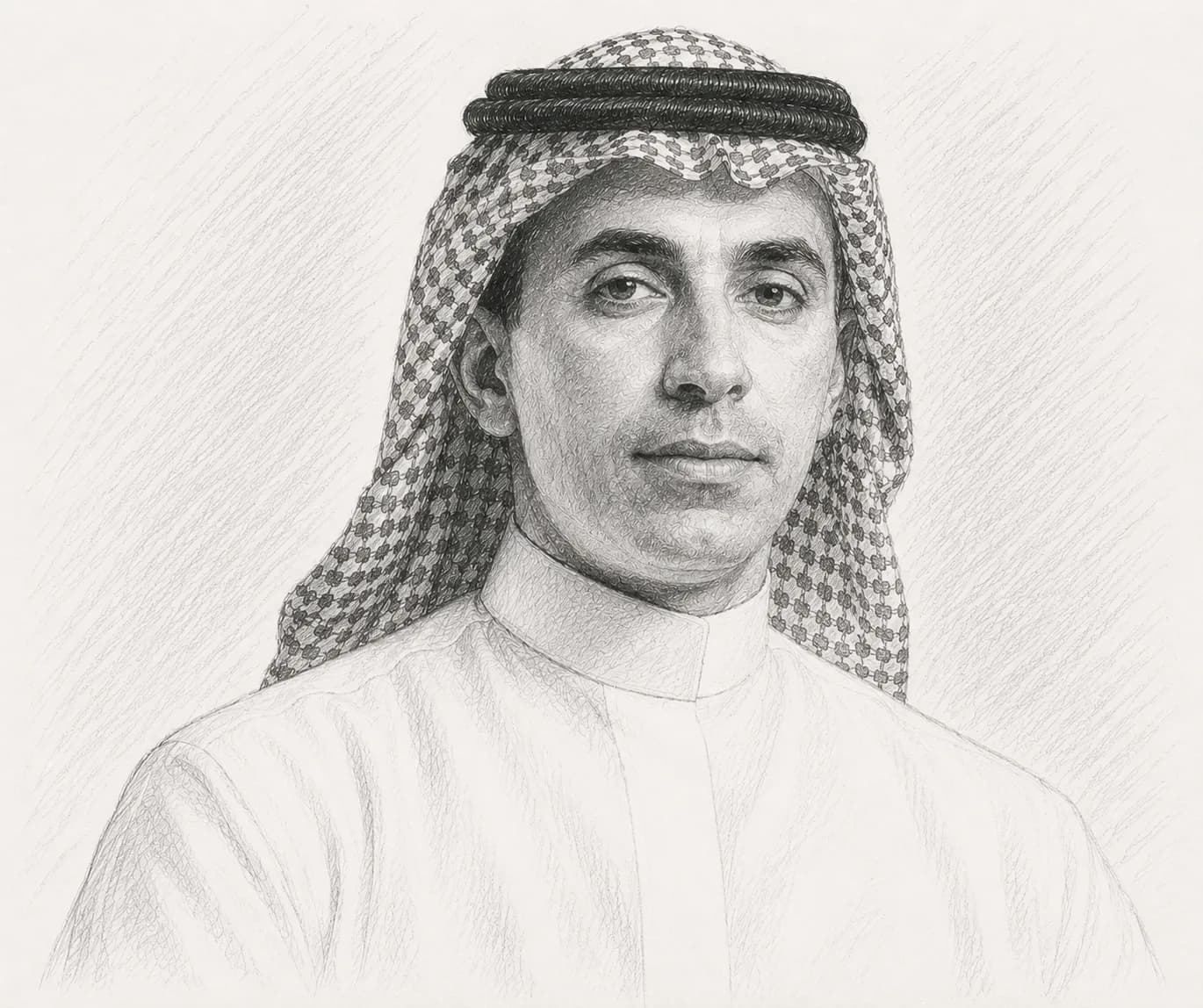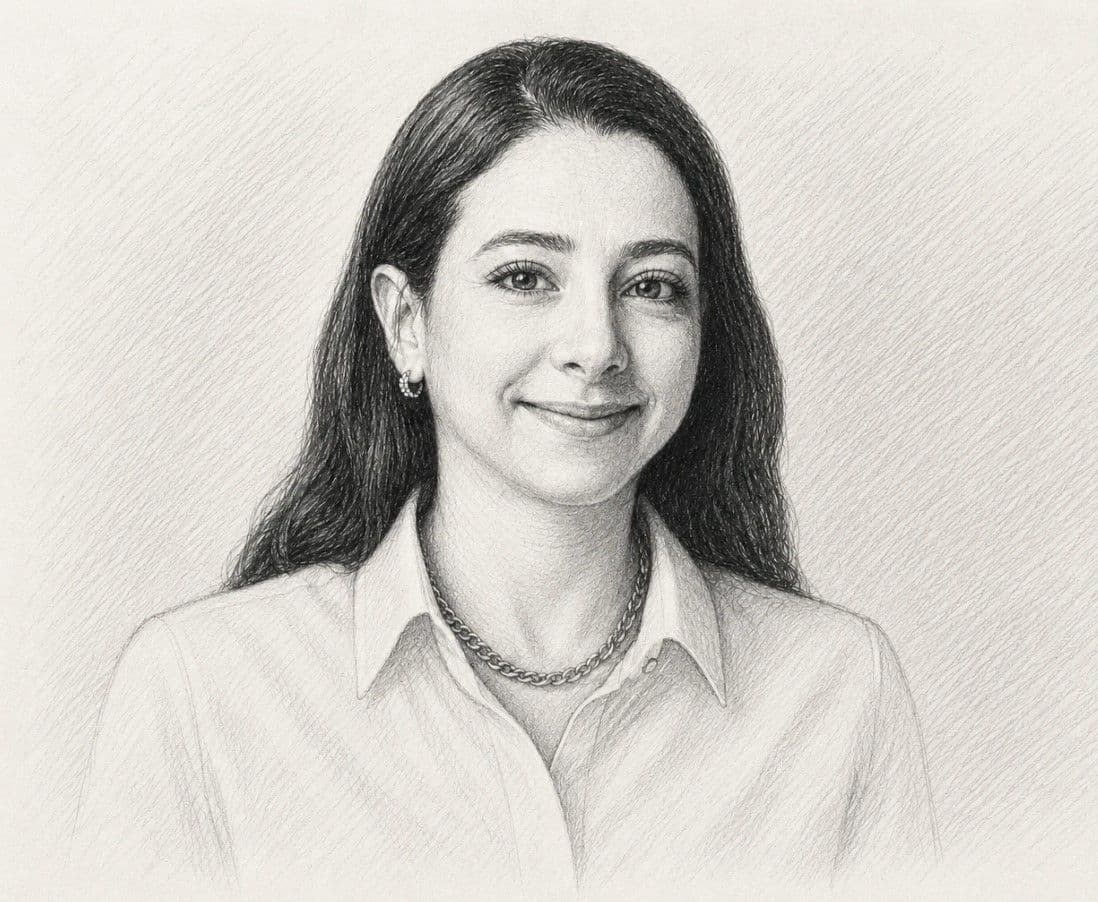
When discussions turn to cryptocurrency adoption in the Middle East and North Africa, Ola Doudin is a name that consistently emerges. As co-founder and CEO of BitOasis, she has spent more than a decade helping build one of the region’s earliest digital asset platforms while navigating regulatory change, market skepticism, and repeated crypto market cycles.
Her leadership reflects more than the growth of a single company. It mirrors the evolution of the MENA digital asset ecosystem itself, where compliance, institutional trust, and regulatory engagement have become increasingly important alongside technological innovation.
Building BitOasis From the Ground Up
BitOasis was founded in 2015 by Ola Doudin, Tarek Kaylani, and Daniel Robenek with the aim of making it easier for people across the Middle East and North Africa to buy, sell, and hold digital assets. Cryptocurrency adoption in the region was still at an early stage, banking relationships were difficult to establish, and clear regulatory frameworks for the industry had yet to emerge.
Rather than pursuing rapid expansion without oversight, Doudin positioned BitOasis around compliance and accessibility. The platform focused on making crypto transactions easier for regional users through local currency support while working closely with emerging regulatory authorities as governments began developing digital asset frameworks.
That strategy helped distinguish BitOasis from many early crypto businesses that struggled as regulations tightened around the world.
Leading Through Regulatory Change
One of the defining characteristics of Doudin’s leadership has been her willingness to engage constructively with regulators and adapt as digital asset frameworks developed across the region.
Dubai has become one of the world’s most active jurisdictions for virtual asset oversight through the establishment of the Virtual Assets Regulatory Authority (VARA). BitOasis has worked within this evolving environment, progressing through successive regulatory stages and ultimately securing a full Virtual Asset Service Provider licence in Dubai.
The company also expanded its regulatory presence beyond the UAE. In April 2024, BitOasis Bahrain received a Category 2 Crypto-Asset Services Licence from the Central Bank of Bahrain, supporting the company’s broader growth across the Gulf.
Navigating these changing requirements strengthened BitOasis’s focus on governance, compliance, customer protection, and long-term sustainability. It also positioned the company to continue expanding within increasingly mature and clearly defined regulatory frameworks.