Block News International

@2026 Block News International. All Rights Reserved.

Blends Media
A Blends Media Group Production

Peng Xiao and the Rise of G42: How Abu Dhabi Is Building an AI Powerhouse

Arry Hashemi
Arry Hashemi
Jun. 23, 2026
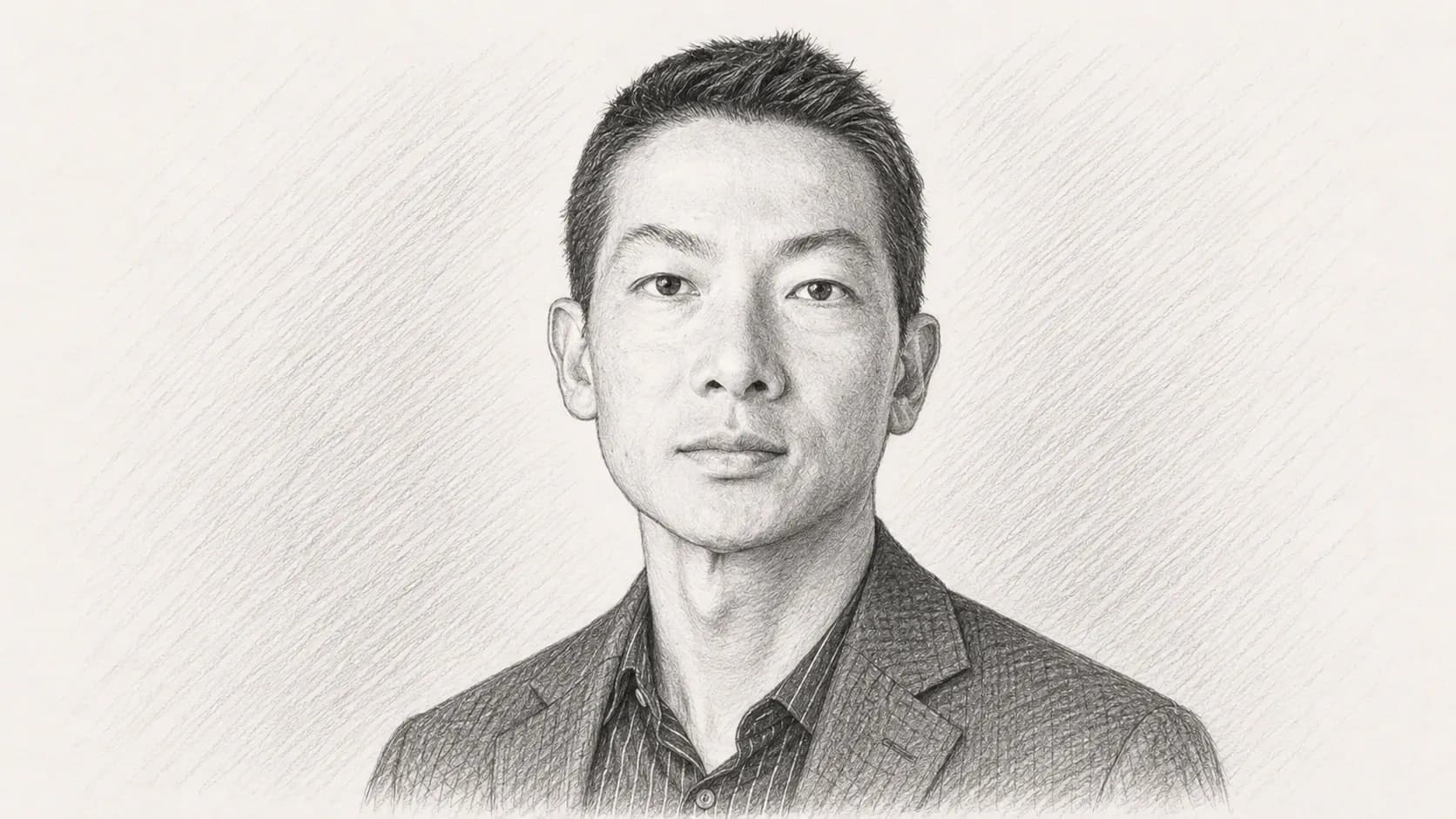
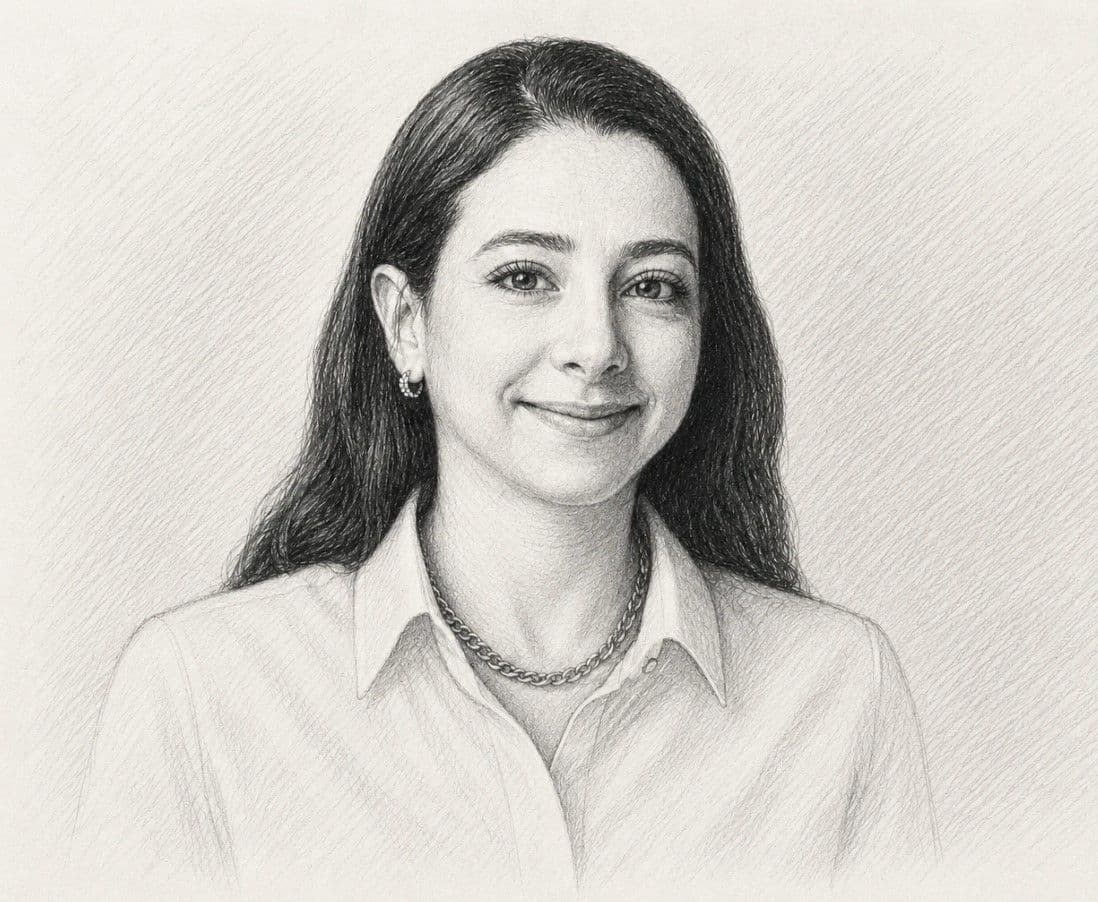
Peng XiaoUnder Peng Xiao’s leadership, G42 has grown into a key part of the UAE’s effort to turn AI ambition into global technology influence. (Image: Peng Xiao)

Peng Xiao has become one of the most closely watched technology executives in the Middle East. As Group CEO of Abu Dhabi-based G42, he sits at the center of a company that has grown from a regional artificial intelligence player into one of the UAE’s most important technology groups.

G42’s rise mirrors the UAE’s broader ambition: to move beyond being seen mainly as an energy and finance hub and position itself as a global force in artificial intelligence, cloud infrastructure, health technology, data centers and advanced digital systems. Under Xiao’s leadership, the company has built a portfolio that reaches across several sectors, including cloud computing, healthcare, energy, smart cities, geospatial intelligence, cybersecurity and enterprise AI.

That wide footprint is what makes Xiao a compelling leadership figure. He is not simply running a software company. He is helping lead an organization that sits at the intersection of business, national strategy and global technology competition.

Building a UAE-Based AI Group With Global Reach

G42 describes itself as an Abu Dhabi-born technology group focused on artificial intelligence and cloud computing. Its operating companies and investments stretch across multiple verticals, from health and life sciences to data infrastructure and AI-enabled services.

Xiao’s role as Group CEO involves shaping the group’s business and product strategy while overseeing a network of companies that serve government, enterprise and international clients. That structure gives G42 a different profile from a traditional technology startup. It functions more like a strategic technology holding group, using AI as the connecting layer across industries that are becoming increasingly dependent on data and compute power.

The company’s ecosystem includes businesses such as Core42, which focuses on sovereign cloud, AI cloud and digital infrastructure; M42, the health technology company formed through the combination of G42 Healthcare and Mubadala Health; Presight, an AI and big data analytics company; Space42, which brings together satellite, geospatial and AI capabilities; and Khazna Data Centers, a major data center operator in the UAE.

This mix gives G42 an unusually broad base. It can work on AI models, cloud infrastructure, data centers, medical analytics, satellite data and enterprise modernization while keeping those capabilities within a single technology group. Under Xiao, that ecosystem has become one of the UAE’s most visible examples of how national technology strategy can be translated into commercial platforms.

Data CenterG42’s growth is closely tied to the infrastructure behind AI, from cloud platforms and data centers to the computing power needed for the UAE’s next phase of digital expansion. (Shutterstock)

G42’s Microsoft Partnership Takes Shape

G42’s international profile changed significantly in 2024 when Microsoft announced a $1.5 billion investment in the company. The deal gave Microsoft a minority stake in G42 and brought Microsoft Vice Chair and President Brad Smith onto G42’s board.

The partnership was about more than capital. It tied G42 more closely to Microsoft Azure and positioned the two companies to deliver AI and cloud services across the UAE and other markets. It also signaled that G42 was becoming an important bridge between the Gulf’s AI ambitions and the American technology ecosystem.

That partnership has since expanded. Microsoft has outlined a multibillion-dollar investment plan in the UAE through 2029, while Microsoft and G42 have announced plans to expand data center capacity in the country through Khazna Data Centers. The 200-megawatt expansion is expected to strengthen the UAE’s cloud and AI infrastructure at a time when access to computing power has become one of the defining constraints in the global AI race.

The strategic value of the Microsoft relationship is clear. G42 brings local market access, infrastructure, public-sector experience and regional execution capability. Microsoft brings cloud technology, AI platforms, governance frameworks and global credibility. Xiao’s focus is to help keep the partnership commercially productive while supporting the trust and governance needed for advanced AI infrastructure.

AI Infrastructure as a National Priority

The next phase of G42’s growth is increasingly tied to large-scale AI infrastructure. In 2025, G42, OpenAI, Oracle, NVIDIA, SoftBank Group and Cisco announced Stargate UAE, a major AI infrastructure project in Abu Dhabi. OpenAI described it as the first international deployment of its Stargate AI infrastructure platform.

The project places G42 among a small group of companies involved in building the physical foundation for next-generation AI: data centers, chips, networking, cloud systems and the power needed to support frontier-scale computing. That is a different business from simply deploying AI applications. It is about owning part of the infrastructure layer that could define how AI is built and distributed.

The AI race is no longer only about models. It is also about compute capacity, energy access, data governance and trusted deployment environments. With its financial resources, energy base and policy focus, the UAE is well positioned to compete in that space, and G42 has become one of the main corporate vehicles driving that effort.

Xiao’s leadership sits inside that larger national story. His task is to turn ambition into execution: to build infrastructure, secure partnerships, attract talent and maintain the trust required to operate in a field where technology, security and diplomacy are deeply connected.

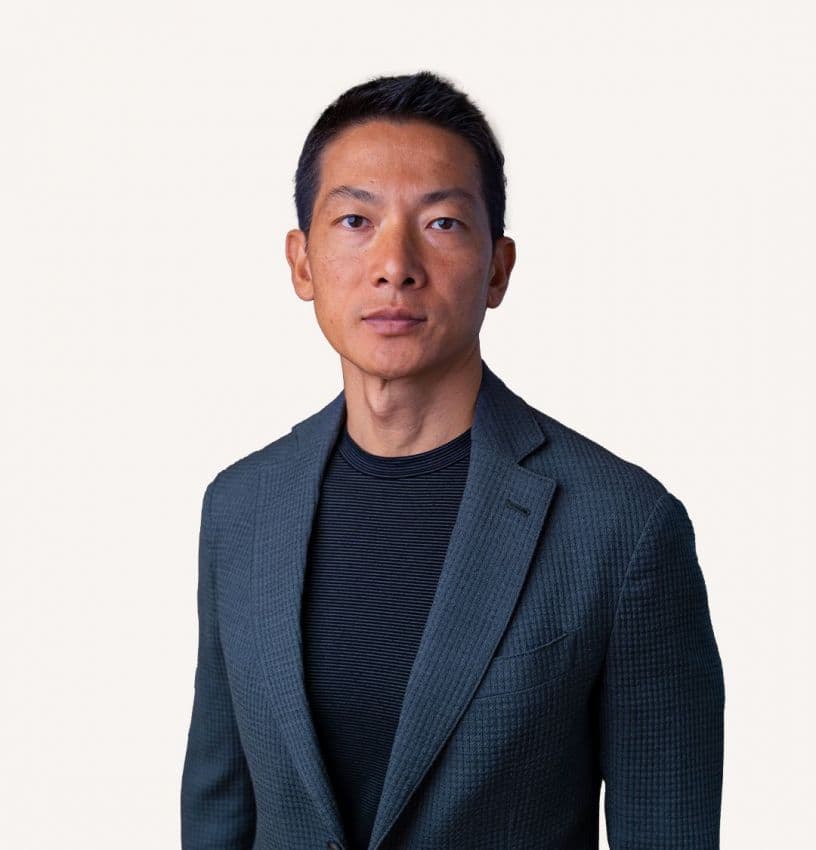
Peng Xiao 2As Group CEO of G42, Peng Xiao is helping guide one of the UAE’s most prominent technology groups through a defining period for artificial intelligence. (Image Source: G42)

A Leader Shaped by Enterprise Technology

Peng Xiao’s background is rooted in enterprise technology, product development and business strategy. Public profiles from G42-linked organizations describe him as a global technology and business leader with experience building products, serving customers and delivering commercial results.

G42’s work is not aimed only at consumer apps or public-facing AI tools. Much of the company’s value lies in complex deployments for governments, healthcare systems, major enterprises and infrastructure-heavy sectors. Those customers need reliability, compliance, security and long-term operating discipline.

Xiao’s leadership style appears to be built around scale and integration. Rather than focusing G42 on a single product category, he has overseen a group that connects AI with cloud, data, healthcare, mapping, energy and infrastructure. The result is a company designed to be embedded in the systems that governments and large organizations depend on.

That approach has helped G42 become a flagship of the UAE’s technology ambitions and a central player in the country’s expanding AI ecosystem.

Growth Through Global Partnerships

G42’s expansion has taken place during a defining period for artificial intelligence, as countries and companies move quickly to build the infrastructure needed for the next phase of digital growth. That has made trusted partnerships, responsible deployment and long-term execution central to the company’s global ambitions.

The Microsoft partnership added an important governance dimension to G42’s growth story. Microsoft has described the relationship as involving commitments around security, responsible AI and government-backed assurances, reflecting the level of trust required to build and deploy advanced AI systems at scale.

G42 and Microsoft later launched the Responsible AI Future Foundation, supported by Mohamed bin Zayed University of Artificial Intelligence, to promote responsible AI practices in the Middle East and the Global South. The initiative points to a broader priority for the company: making AI development not only more powerful, but also more reliable, practical and accountable.

This is an important part of G42’s next chapter. AI infrastructure is becoming more central to healthcare, cloud computing, government services and enterprise operations, raising the importance of companies that can combine innovation with strong standards. Under Xiao’s leadership, G42 is positioning itself as a company that can help deliver that balance.

Healthcare, Data and Real-World AI

One of G42’s most important sectors is healthcare. Through M42, the group has positioned itself at the intersection of patient care, life sciences, data analytics and AI-enabled medical services. The creation of M42 brought together G42 Healthcare’s data and technology capabilities with Mubadala Health’s healthcare delivery assets.

Healthcare gives G42 a practical arena for AI deployment. Medical systems generate large amounts of data, and AI can support diagnostics, genomics, population health, hospital operations and personalized care. Yet healthcare also demands high standards for privacy, safety and trust.

That balance reflects the broader opportunity facing G42. The company’s promise is that AI can solve real problems across industries. Its responsibility is to show that those systems can be deployed safely, ethically and with clear governance.

Peng Xiao’s Role in the UAE’s AI Push

Peng Xiao’s role has grown more important as G42 has moved beyond its regional roots. The company now sits among the key institutions behind the UAE’s AI strategy and has become one of the most prominent Gulf-based players in the global AI infrastructure race.

His leadership represents a particular model of technology growth in the Middle East: state-aligned ambition, international partnerships, large-scale capital, strategic infrastructure and sector-by-sector AI deployment. It is a model that differs from Silicon Valley’s venture-backed startup culture, but it may prove highly influential in markets where governments are taking a more active role in shaping AI adoption.

G42’s next chapter will test whether that model can deliver at global scale. The company must compete for talent, secure advanced hardware, build trusted infrastructure, and show that its AI systems can serve customers across different regulatory and cultural environments.

G42’s Path Forward

The UAE is positioning itself as an active player in the next phase of artificial intelligence. G42, under Peng Xiao’s leadership, is central to that ambition, as the country builds technology capabilities designed to compete on a global stage.

The company has already built a broad AI ecosystem, secured major global partnerships and placed itself inside some of the most important infrastructure conversations in the industry. Its relationship with Microsoft, its role in Stargate UAE and its work across healthcare, cloud, data centers and enterprise AI all point to a company moving from regional importance to global relevance.

Under Peng Xiao’s leadership, G42 has become a central part of the UAE’s effort to build lasting influence in artificial intelligence. Its growth reflects not only the rise of one company, but also Abu Dhabi’s expanding role in shaping the next chapter of the global AI economy.