Block News International

@2026 Block News International. All Rights Reserved.

Blends Media
A Blends Media Group Production

Shayne Nelson and the Expansion of Emirates NBD

Arry Hashemi
Arry Hashemi
Jul. 20, 2026
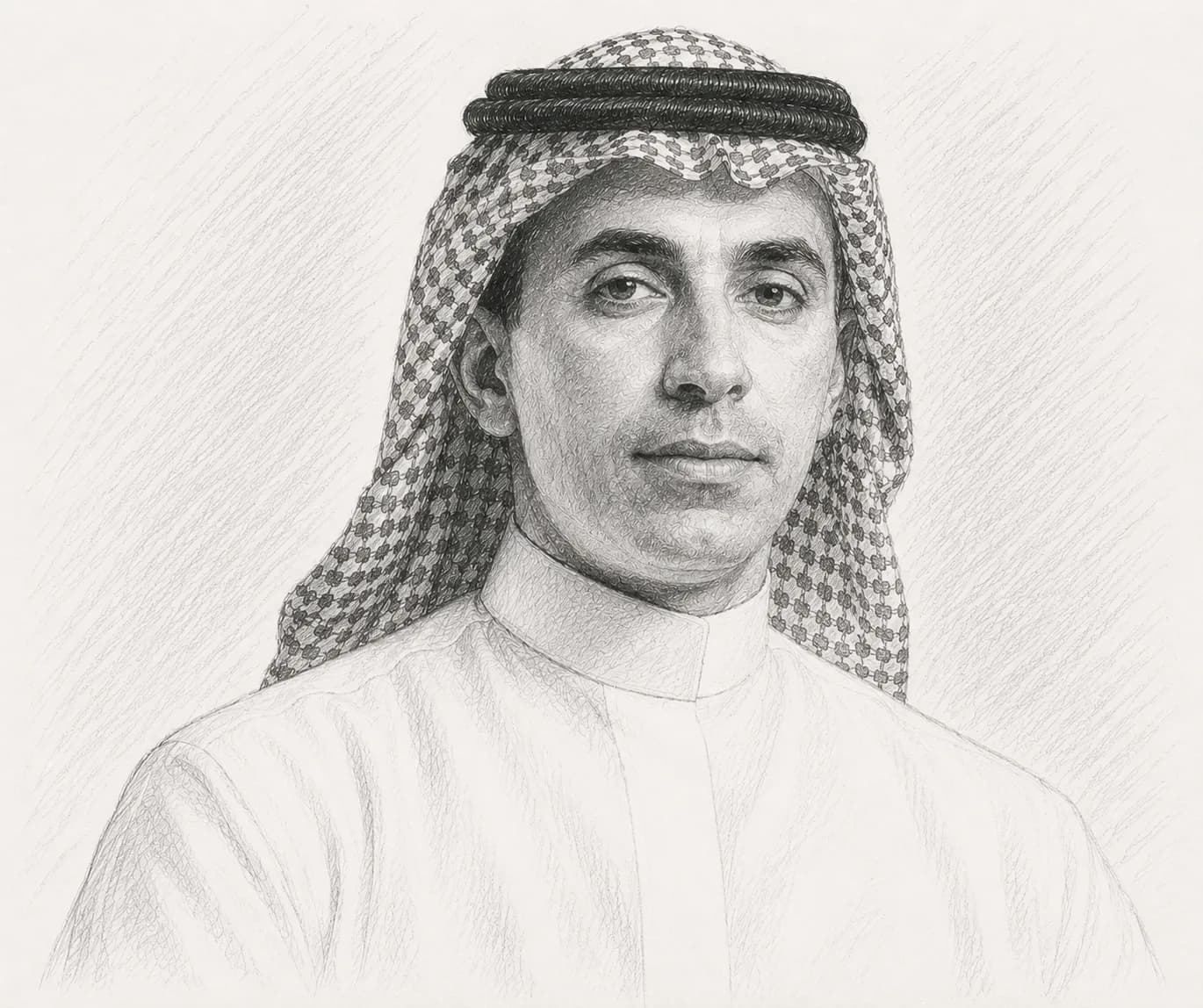
Shayne NelsonShayne Nelson has led Emirates NBD since 2013, overseeing the bank's expansion into multiple international markets. (Image: Shayne Nelson)

Shayne Nelson has spent more than a decade at the head of Emirates NBD, overseeing a period in which the Dubai-based banking group expanded beyond its domestic market, acquired a major Turkish lender and increased its investment in digital infrastructure.

Nelson has served as Group Chief Executive Officer since 2013. His tenure has coincided with substantial changes in the scale and geographic reach of the organization, but it has also placed him in charge of a complex banking group operating across markets with different economic, regulatory and political conditions.

Emirates NBD is a conventional banking group. It also owns Emirates Islamic, a separately managed Islamic banking subsidiary offering products structured under Sharia principles. Nelson’s role covers the wider group rather than only its Islamic banking operations.

A Career Across International Banking

Before joining Emirates NBD, Nelson held several senior positions at Standard Chartered.

He served as chief executive of Standard Chartered Private Bank in Singapore and previously led the bank’s operations across the Middle East and North Africa. His earlier positions included chief executive and managing director of Standard Chartered Bank Malaysia, chairman of Standard Chartered Pakistan and membership of Standard Chartered Bank China’s board.

Nelson also chaired the Standard Chartered Saadiq Islamic Advisory Board. That role gave him exposure to Islamic banking governance before he moved to Emirates NBD.

His career included retail, corporate, private and international banking across Asia and the Middle East before joining Emirates NBD.

Taking Charge in Dubai

Nelson assumed leadership of Emirates NBD several years after the 2007 merger of Emirates Bank International and National Bank of Dubai.

When Nelson became Group CEO, Emirates NBD was already one of the UAE's largest banking groups. During his tenure, the group continued managing its existing operations while expanding into additional markets and investing in technology.

According to Emirates NBD’s corporate profile, the group’s assets increased from approximately $83.9 billion (AED 308 billion) at the beginning of Nelson’s tenure to about $326.8 billion (AED 1.2 trillion) after 12 years. The bank also says its market capitalization rose from roughly $4.4 billion (AED 16 billion) to approximately $50.9 billion (AED 187 billion) during that period.

Shayne Nelson 2Shayne Nelson is Group Chief Executive Officer of Emirates NBD, a UAE-based banking group. (Image: Shayne Nelson)

Expanding Beyond the UAE

One of the most significant corporate transactions during Nelson's tenure was Emirates NBD's acquisition of DenizBank in Türkiye.

The group completed the purchase from Russia’s Sberbank in 2019 in a transaction valued at approximately $2.7 billion. The acquisition gave Emirates NBD a substantial presence in Türkiye but also increased its exposure to a market marked by currency depreciation, high inflation and changing monetary conditions.

Emirates NBD has continued developing operations in Saudi Arabia, Egypt and India. The group's geographic diversification means it operates across multiple markets, requiring management to navigate different regulatory regimes, currencies and competitive environments.

Technology as an Operating Priority

Digital banking has been another recurring focus during Nelson’s tenure.

Emirates NBD has invested in mobile services, cloud infrastructure, data systems and artificial intelligence. In its 2025 financial-results announcement, the group said it was continuing to move parts of its technology infrastructure toward cloud-native platforms while introducing AI under internal security and governance controls.

Such programs are increasingly common among large banks and are not unique to Emirates NBD. Their significance depends on whether they improve reliability, reduce operational costs and protect customer information rather than simply expanding the number of digital features available.

Technology investment also creates governance questions. Banks adopting AI must address data privacy, cybersecurity, model errors, discriminatory outcomes and accountability when automated systems influence customer decisions. Nelson and the group’s senior management therefore face the challenge of deploying new systems without weakening compliance or human oversight.

Managing a Multi-Entity Banking Group

Nelson’s responsibilities extend beyond the principal Emirates NBD banking operation.

Emirates NBD lists him as a director of several group-related organizations, including Emirates Islamic, DenizBank, Emirates NBD Capital and Emirates NBD Global Services. He has also represented the group in external board and advisory positions.

The structure requires coordination across conventional banking, Islamic banking, investment services and overseas subsidiaries. It also creates a need for clear separation between businesses operating under different legal and governance frameworks.

Financial Scale and Its Limits

Emirates NBD reported profit before tax of approximately $8.1 billion (AED 29.8 billion) for 2025. Its disclosures attributed the result to growth across several business areas and markets.

Financial results offer one important measure of institutional performance and reflect the bank's ability to generate earnings across different business areas and markets. They are also influenced by broader economic, regulatory and market conditions, including financing costs, credit demand, impairment charges and asset valuations.

A broader evaluation would also consider regulatory compliance, risk concentration, customer outcomes, cybersecurity, governance and the bank’s ability to withstand economic stress. These factors become increasingly important as the institution grows across borders.

A Tenure Defined by Institutional Expansion

Nelson’s period at Emirates NBD can be described most clearly as one of increased scale, international expansion and technology investment.

He has remained in the role through changes in oil prices, the COVID-19 pandemic, periods of global monetary tightening and rapid growth in the UAE economy.

The long-term outcome of the DenizBank acquisition, the group’s expansion in India and Saudi Arabia, and its adoption of AI will depend on developments that extend beyond any single reporting period.

Nelson’s leadership record can be assessed through the decisions and institutional changes made under his leadership. Over that period, Emirates NBD expanded in scale and geographic reach while making changes to its operations, governance and risk management frameworks as the institution grew.