Block News International

@2026 Block News International. All Rights Reserved.

Blends Media
A Blends Media Group Production

Hana Al Rostamani and the Transformation of First Abu Dhabi Bank

Arry Hashemi
Arry Hashemi
Jul. 29, 2026
Hana Al RostamaniHana Al Rostamani has led First Abu Dhabi Bank as group chief executive officer since 2021, overseeing a period of regional expansion, digital investment and balance-sheet growth. (Image: Hana Al Rostamani)

Hana Al Rostamani’s appointment as group chief executive officer of First Abu Dhabi Bank in 2021 carried significance beyond the executive suite. She became the first woman to lead the UAE’s largest bank, taking responsibility for a major financial institution with a central role in Abu Dhabi’s economy and a growing presence across regional and international markets.

Her tenure has coincided with a favorable but demanding period for Gulf banking. Regional governments accelerated economic diversification beyond the oil sector, while demand grew for financial institutions capable of supporting trade, investment and cross-border business across the Middle East, Asia, Europe and Africa. At the same time, FAB has had to navigate geopolitical uncertainty, evolving regulatory requirements, rapid technological change and changes within its senior management structure.

A Career Built Inside Financial Services

Al Rostamani entered the chief executive role with more than 22 years of experience in banking and financial services. Before taking the top position, she served as FAB’s deputy group chief executive officer and head of personal banking, giving her operational responsibility for one of the bank’s most visible customer-facing businesses.

Earlier in her career, she held senior roles across retail banking and financial services. Her experience included responsibility for product development, customer strategy and digital banking, areas that would later become central to FAB’s efforts to modernize its operations.

The personal banking division she led generated a net profit of USD 953 million (AED 3.5 billion) in 2019. FAB attributed its performance that year partly to stronger sales, an integrated technology platform, new partnerships and improvements to products and internal processes.

Her background also extends beyond day-to-day bank management. FAB said at the time of her appointment that Al Rostamani had served as an independent director of Emirates Integrated Telecommunications Company, known as du, and as vice chairperson of the Emirates Institute for Banking and Financial Services. Those positions gave her exposure to corporate governance, telecommunications and the development of the UAE’s financial-sector workforce.

Taking Charge of the UAE’s Largest Bank

Al Rostamani succeeded André Sayegh after his retirement and formally took charge in 2021. The institution she inherited had already undergone a major transformation. FAB was created in 2017 through the merger of National Bank of Abu Dhabi and First Gulf Bank, bringing together two large organizations with different histories, systems and business portfolios.

Leading the combined bank required more than maintaining its domestic position. FAB was seeking to operate as a regional financial institution with international reach, serving governments, multinational companies, institutional investors, businesses and individual customers.

Al Rostamani’s appointment also marked a milestone in a banking industry where the highest executive positions had traditionally been held by men. That distinction remains an important part of her public profile, but her record is more meaningfully assessed through FAB’s financial results, strategic decisions and ability to manage the risks accompanying its expansion.

Expanding Assets and Financial Performance

FAB’s balance sheet has expanded considerably under Al Rostamani. The bank reported record net profit of USD 5.7 billion (AED 21.1 billion) for 2025, while total assets reached USD 381.2 billion (AED 1.4 trillion) at the end of the year.

Those results followed a strong 2024, when FAB generated USD 4.7 billion (AED 17.1 billion) in net profit and USD 8.6 billion (AED 31.6 billion) in revenue. Revenue increased 15% from the previous year, while return on tangible equity reached 16.8%.

The bank continued to report earnings growth in the first half of 2026. Net profit rose 1% year over year to USD 2.92 billion (AED 10.73 billion), while operating income increased 7% to USD 5.31 billion (AED 19.5 billion). Return on tangible equity stood at 18.5%, remaining above FAB’s stated medium-term guidance.

Strong headline numbers do not rest solely on executive decisions. UAE banks have benefited from economic growth, rising public and private investment, expanding business activity and stronger demand for financial services. FAB’s 2025 performance also reflected growth across multiple income streams, including fees, commissions and other service-based activities.
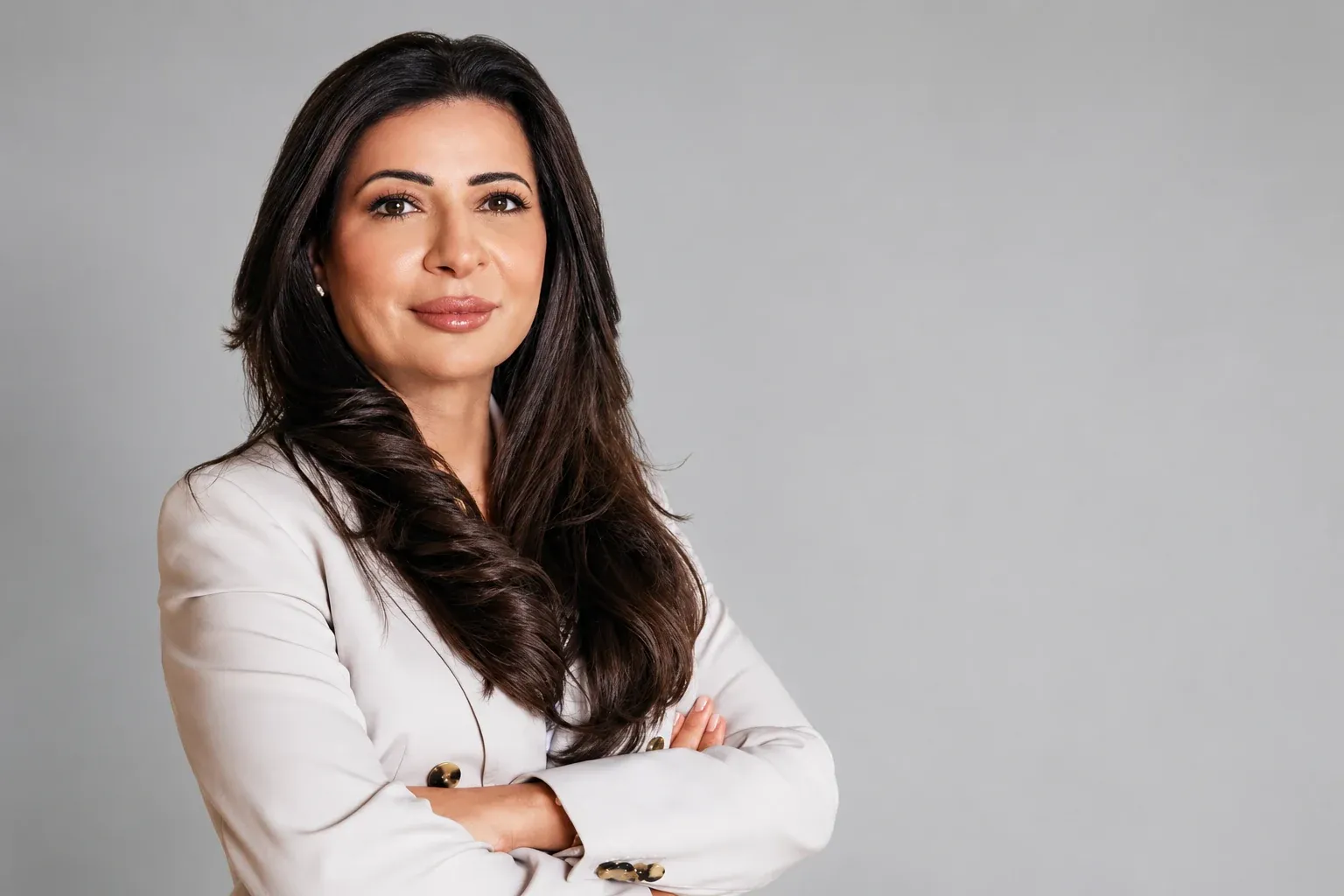
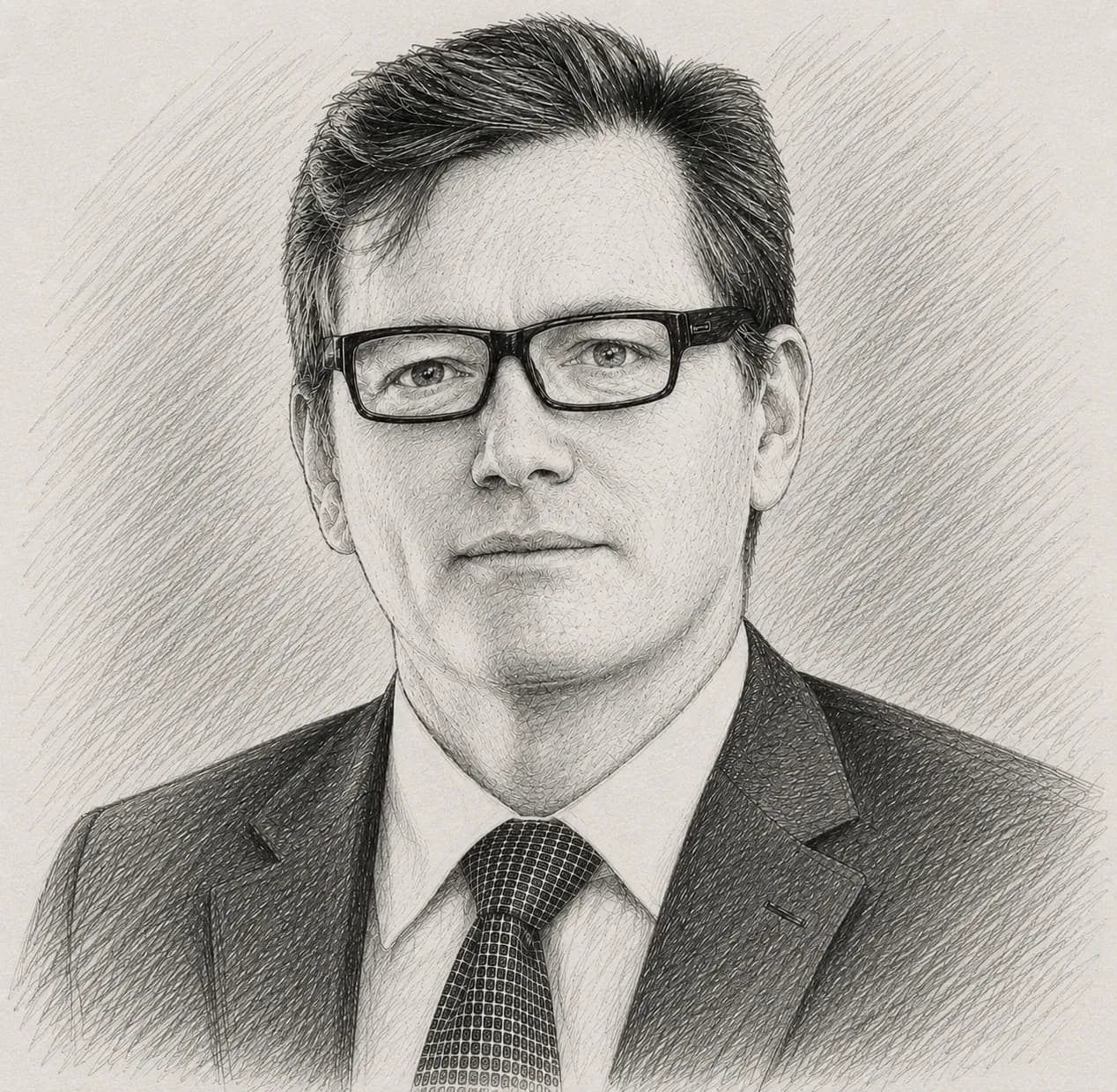
Hana Al Rostamani 2Under Hana Al Rostamani’s leadership, First Abu Dhabi Bank has expanded its international footprint while continuing to invest in technology, sustainability and organizational development. (Image source: First Abu Dhabi Bank)

Reorganizing the Business

Scale can create complexity. FAB reorganized its operating structure in 2025, dividing activities into four principal segments and appointing new executives across several major functions. The changes occurred after a series of senior-level departures and were presented as part of an effort to sharpen the bank's regional focus and improve financial performance.

Management changes at a large financial institution can reflect ordinary succession, strategic repositioning or attempts to address operational gaps. They also create execution risk. New reporting lines must settle, institutional knowledge must be retained, and strategy must remain consistent while executives assume new responsibilities.

Al Rostamani’s task has therefore involved balancing continuity with restructuring. FAB continues to operate across consumer banking, wholesale banking, investment banking and markets, wealth management, Islamic banking and international markets. Coordinating those businesses requires disciplined management, effective governance and strong risk controls, particularly when market conditions differ significantly between jurisdictions.

Expanding Beyond the Domestic Market

International growth has remained part of FAB’s strategy. The bank maintains operations across the Middle East, Asia, Europe, Africa and the Americas, positioning itself around trade and investment corridors that connect the UAE with larger global markets.

Egypt and Saudi Arabia are important elements of that footprint. FAB expanded in Egypt through the acquisition of Bank Audi’s Egyptian business, while its Saudi operations provide access to one of the region’s largest economies and an extensive pipeline of investment associated with the kingdom’s diversification plans.

An international network gives FAB opportunities to follow UAE companies abroad, serve multinational clients entering the Gulf and support cross-border trade and international business activity. It also exposes the bank to additional regulatory, operational, currency and geopolitical risks. Success depends not simply on opening offices or acquiring assets, but on converting the network into durable client relationships without weakening compliance and risk standards.

Technology Moves From Support Function to Strategy

Al Rostamani’s earlier work in personal banking placed her close to the changes reshaping customer expectations. Mobile applications, real-time payments and digital onboarding have turned technology from a supporting function into a core part of banking competition.

FAB has since moved to deploy artificial intelligence and advanced analytics across its operations rather than limiting the technology to isolated pilot projects. The bank says its approach includes strategy, governance and enterprise-wide implementation.

Artificial intelligence also requires careful oversight. Financial institutions must address model accuracy, cybersecurity, customer privacy, regulatory compliance and the possibility that automated systems may reflect flawed assumptions. In banking, technology programs are most credible when innovation is supported by strong governance, human oversight and clear accountability.

Sustainability and Long-Term Growth

Sustainability has become another component of FAB’s corporate strategy. The bank has pursued opportunities connected to the energy transition, sustainable infrastructure and climate-related investment while operating in a region where hydrocarbons remain economically important.

This environment presents both strategic opportunities and implementation challenges. Banks can support lower-carbon industries through financial services and investment activity, while transparent targets, consistent reporting and measurable progress remain important to the credibility of their commitments.

Al Rostamani has described financial institutions as having a role in advancing climate- and nature-related outcomes. FAB’s longer-term progress will depend on how effectively it incorporates environmental considerations into decision-making while balancing commercial, regulatory and national economic objectives.

Leadership Under More Complicated Conditions

The operating environment ahead may be less supportive than the conditions that helped Gulf banks produce record earnings. Geopolitical conflict could disrupt trade and investor confidence, while rapid expansion can create operational and risk-management challenges if governance standards weaken.

FAB’s risk-related provisions rose during the second quarter of 2026, even as profit and operating income increased. The movement did not by itself indicate deterioration across the bank’s broader portfolio, but it highlighted the continuing importance of risk monitoring as the business expands.

Al Rostamani must also manage the expectations attached to FAB’s size. As the UAE’s largest bank by assets, the institution is evaluated not only on annual profit but also on capital strength, governance, operational resilience and its ability to support economic activity without taking excessive risk.

A Legacy Still Taking Shape

Five years after becoming group CEO, Al Rostamani has overseen balance-sheet growth, record earnings, international expansion and internal reorganization. FAB has increased its financial scale while investing in technology and strengthening its connections with international markets.

Her historic appointment remains an important part of her leadership story, while the next phase of her tenure will provide further opportunities to strengthen FAB’s position, deepen its international presence and build on the financial and operational progress achieved so far.

As FAB continues to evolve, Al Rostamani’s leadership remains closely connected to the bank’s broader ambitions in technology, regional growth and international engagement. Her tenure reflects a period of significant development for both the institution and the wider UAE financial sector.