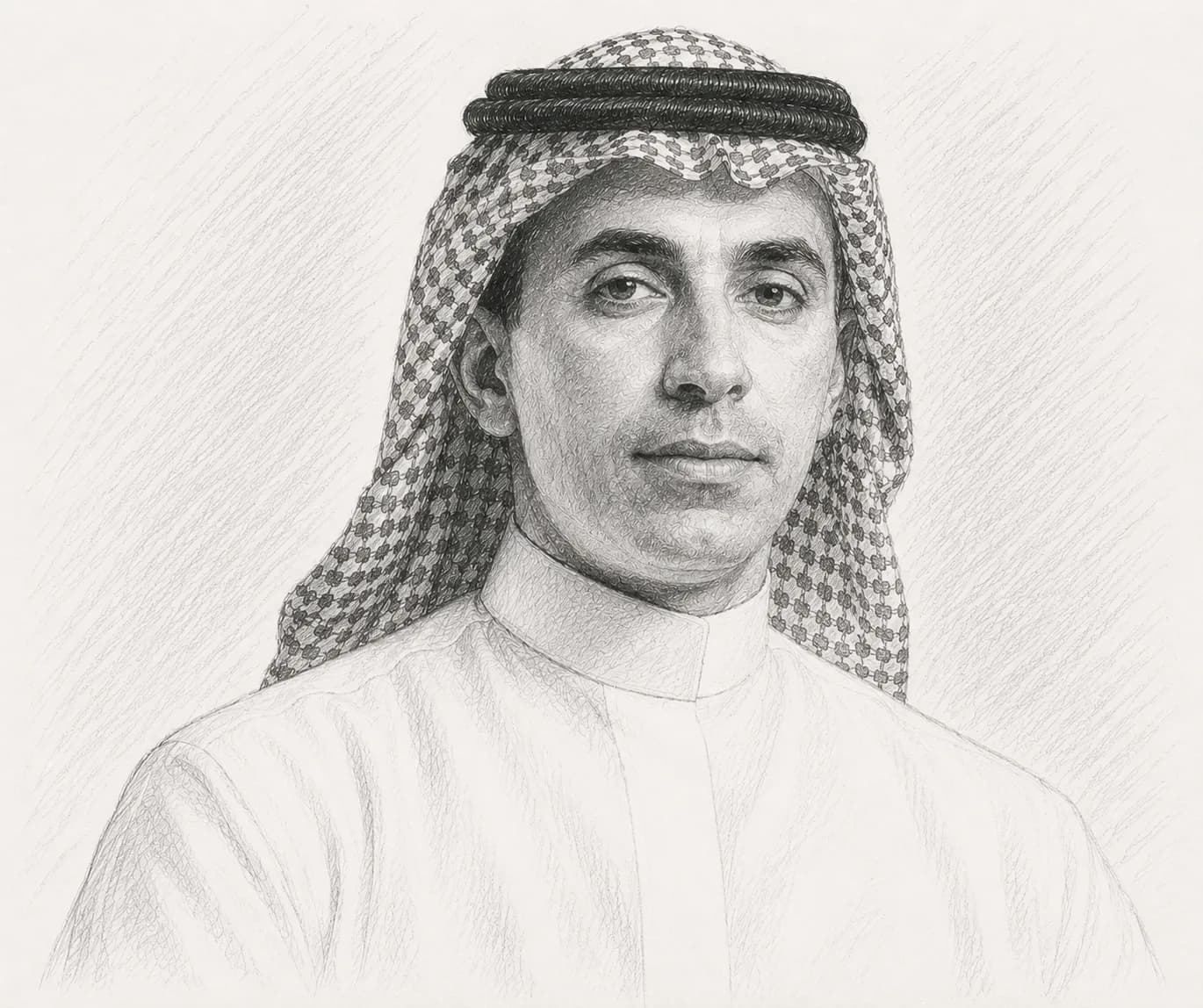
The Namshi Chapter
In 2011, Hosam Arab co-founded Namshi, the online fashion retailer that would become one of the Middle East’s defining e-commerce success stories. At the time, online shopping across the GCC was still in its infancy. Consumer trust in digital retail was limited, logistics infrastructure was evolving, and cash-on-delivery remained dominant.
Yet Arab saw opportunity where others saw uncertainty.
Under his leadership, Namshi rapidly grew into one of the region’s leading online fashion and lifestyle destinations, helping accelerate the adoption of e-commerce across the Gulf. The company’s success demonstrated that regional startups could scale aggressively while competing with international players.
Namshi’s eventual acquisition by Emaar Malls in 2019 marked one of the region’s most important digital commerce milestones. More importantly, it cemented Hosam Arab’s reputation as one of the GCC’s most respected entrepreneurs and operators.
But for Arab, the journey was only beginning.
Identifying the Next Opportunity
Following his success in e-commerce, Arab turned his attention toward financial technology; particularly the relationship between consumers, payments, and financial accessibility.
As online retail adoption accelerated across the Middle East, Arab noticed a recurring issue: many consumers lacked access to flexible financial products, while traditional banking solutions often failed to align with the habits and expectations of younger, digitally native users. Credit card penetration remained relatively low compared to Western markets, and many consumers preferred alternative payment methods that offered greater transparency and control.
This insight became the foundation for Tabby.
Founded in 2019, Tabby introduced a buy-now-pay-later model tailored specifically for the Middle East. The platform allowed consumers to split purchases into interest-free installments while giving retailers higher conversion rates and stronger customer engagement.
What made Tabby different was not simply the business model; it was the regional understanding behind it.
Arab understood that financial products in the GCC required trust, simplicity, and cultural relevance. Rather than replicating Western fintech models, Tabby was built around the realities of Middle Eastern consumer behavior.
Scaling Tabby into a Fintech Powerhouse
Under Hosam Arab’s leadership, Tabby quickly emerged as one of the fastest-growing fintech companies in the region. The company expanded across Saudi Arabia, the UAE, and Kuwait, partnering with major retailers and global brands while attracting millions of users.
More importantly, Tabby helped normalize a new approach to consumer finance in the Middle East; one centered around flexibility, accessibility, and responsible spending.
As the fintech ecosystem matured, Tabby evolved far beyond a simple payment solution. The company increasingly positioned itself as a broader financial lifestyle platform, integrating shopping, budgeting, and financial management into a single ecosystem designed for modern consumers.
Arab’s leadership style has played a major role in that evolution.
Unlike many startup founders focused purely on hypergrowth, Hosam Arab has consistently emphasized sustainable scaling, operational efficiency, and long-term customer trust. Industry observers frequently describe him as disciplined, strategic, and deeply product-focused; a leader who combines entrepreneurial ambition with financial pragmatism.
A Leader Shaping the Region’s Fintech Future
Today, Hosam Arab is widely regarded as one of the most influential voices in the Middle East’s technology and startup ecosystem. His success reflects more than the growth of a single company; it represents the broader transformation of the Gulf into a serious global hub for innovation, venture capital, and digital entrepreneurship.
Through both Namshi and Tabby, Arab has contributed to reshaping how consumers across the region shop, pay, and interact with digital services.
His impact also extends beyond fintech itself.
Arab has become a symbol of the new generation of regional entrepreneurs building globally competitive businesses from the Middle East. In an ecosystem once heavily reliant on imported technology platforms, founders like Hosam Arab are proving that local innovation can scale internationally while remaining deeply rooted in regional realities.
That influence is particularly important at a time when Saudi Arabia and the UAE are aggressively investing in digital transformation, fintech infrastructure, and startup ecosystems as part of broader economic diversification agendas.
Beyond Payments
What makes Hosam Arab particularly compelling as a business leader is his long-term vision. While buy-now-pay-later services initially brought Tabby into the spotlight, the company’s broader ambitions point toward something much larger.
Tabby is increasingly positioning itself as a platform focused on financial freedom; helping consumers make smarter financial decisions while creating more transparent and accessible financial experiences.
That vision reflects a deeper understanding of how fintech is evolving globally. The future of financial services is no longer just about transactions; it is about building ecosystems around consumer lifestyles, trust, and everyday utility.
Arab appears to understand this better than most.
His leadership continues to focus on innovation while maintaining a clear emphasis on customer experience, regional relevance, and scalability. As the GCC’s digital economy continues to accelerate, Tabby is well positioned to remain one of the defining fintech players shaping the next chapter of consumer finance in the Middle East.
And at the center of that transformation remains Hosam Arab; a founder who has repeatedly demonstrated the ability to anticipate where the market is heading long before the rest of the industry catches up.
From pioneering e-commerce with Namshi to redefining financial flexibility with Tabby, his journey reflects the evolution of the Middle East’s modern digital economy itself.
More than just a successful entrepreneur, Hosam Arab has become one of the architects of the region’s technology future.