Block News International

@2026 Block News International. All Rights Reserved.

Blends Media
A Blends Media Group Production

Abdullah AlKhalifa and Alinma Bank’s Next Phase of Growth

Arry Hashemi
Arry Hashemi
Aug. 14, 2026
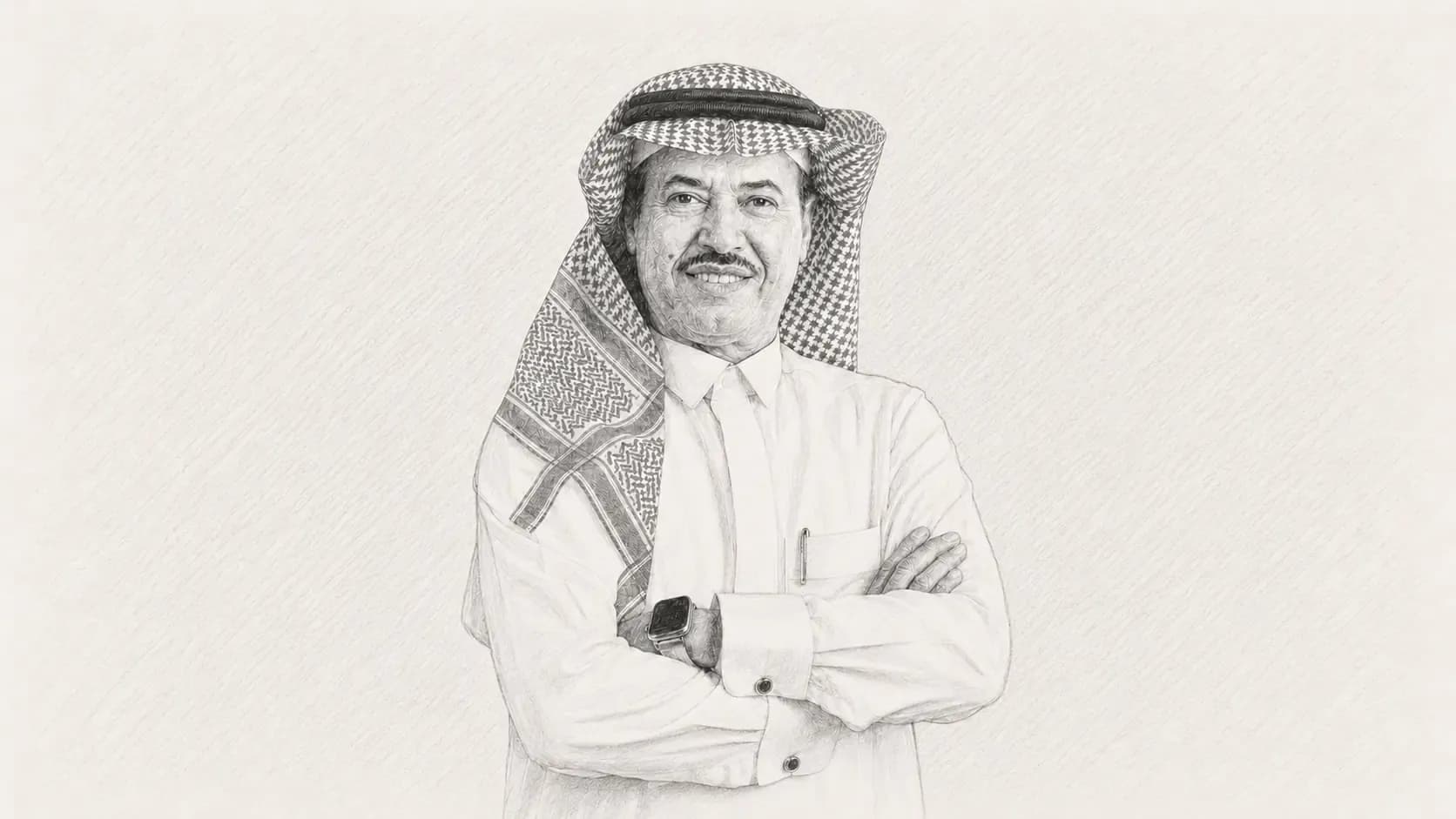
Abdullah AlKhalifaAlinma Bank Managing Director and CEO Abdullah AlKhalifa has overseen a period of balance-sheet growth, digital investment and strategic change since taking the top executive role in 2021. (Image: Abdullah AlKhalifa)

Abdullah Ali AlKhalifa’s rise to the top of Alinma Bank followed a career spent largely behind the numbers.

Before becoming chief executive in January 2021, the Saudi banking veteran held senior financial positions at Arab National Bank, Al Rajhi Bank and Banque Saudi Fransi. That background shaped a leadership tenure defined less by dramatic reinvention than by balance-sheet expansion, tighter credit management and a steady push toward digital banking.

AlKhalifa’s responsibilities widened in 2025 when shareholders elected him to Alinma’s board and he was appointed managing director, following the Saudi Central Bank’s non-objection. The appointment placed him at the intersection of management and board-level oversight as the bank prepared to move beyond its previous transformation program and begin a new five-year strategy.

An Accounting Foundation

AlKhalifa has more than 30 years of banking experience. He earned a bachelor’s degree in accounting from King Saud University in Riyadh and a master’s degree in accounting from the University of Miami in the United States.

His career included serving as chief financial officer at several of Saudi Arabia’s largest financial institutions. Those positions exposed him to different banking models: Al Rajhi Bank’s large Islamic retail franchise, Banque Saudi Fransi’s corporate and institutional operations, and Arab National Bank’s broad domestic platform.

The progression is relevant to understanding his approach at Alinma. Chief financial officers spend much of their time balancing growth against capital, liquidity and risk. A chief executive has a wider mandate, but those same pressures remain central to running a bank, particularly during a period of rapid credit expansion.

AlKhalifa replaced Abdulmohsen Al-Fares as Alinma’s CEO in January 2021. Four years later, Alinma announced that he would also become managing director. His current board term began on May 21, 2025, and is scheduled to run until May 20, 2028.

Growth During His Tenure

Alinma entered AlKhalifa’s tenure with total assets of approximately $41.83 billion (SAR 156.88 billion) at the end of 2020. By the end of 2025, that figure had risen to approximately $82.95 billion (SAR 311.07 billion), an increase of about 98%.

The financing portfolio expanded from approximately $29.65 billion (SAR 111.20 billion) to $61.27 billion (SAR 229.75 billion) over the same period. Customer deposits increased from about $31.85 billion (SAR 119.45 billion) to $60.63 billion (SAR 227.37 billion).

Profit growth was also substantial. Alinma reported net income after zakat of approximately $524.27 million (SAR 1.97 billion) for 2020. Net income reached approximately $1.71 billion (SAR 6.40 billion) in 2025, representing a rise of more than 225% over five years.

The bank’s latest results show that expansion continued into 2026. Net income for the six months ended June 30 rose 6% year over year to approximately $873.07 million (SAR 3.27 billion). Total assets reached approximately $87.81 billion (SAR 329.29 billion), while the financing portfolio stood at $65.04 billion (SAR 243.91 billion).

The scale of the increase illustrates the institution AlKhalifa now manages. Alinma is no longer simply a relatively young challenger in the Saudi market. Its leadership must manage the operational, credit and governance demands that come with a much larger balance sheet.
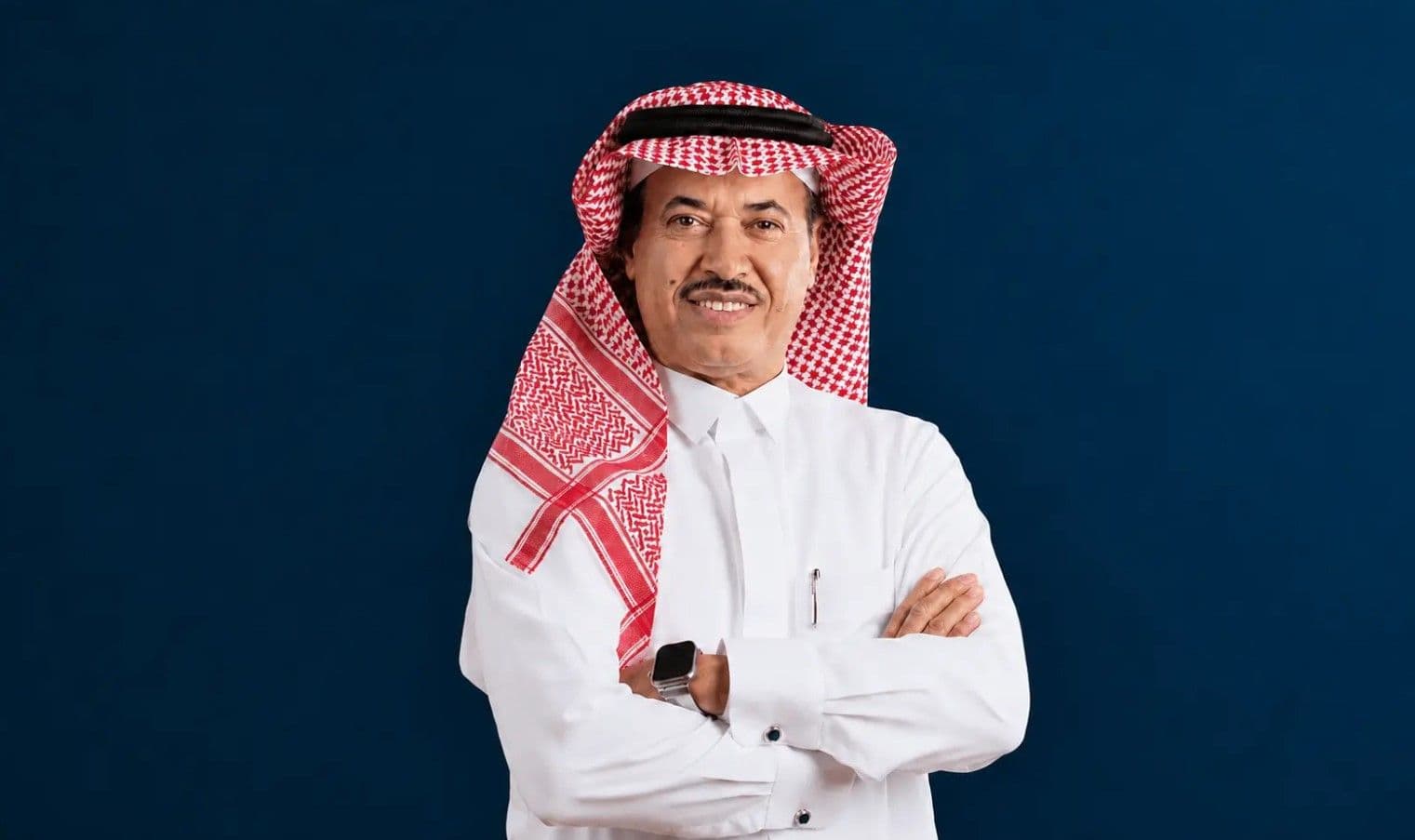
Abdullah AlKhalifa 2Abdullah AlKhalifa’s background in accounting and senior finance roles continues to influence his approach to managing growth and risk at Alinma Bank. (Image source: Alinma Bank)

Managing Expansion and Credit Risk

Rapid financing growth brings a familiar banking tension. New business can support revenue and market share, but expansion can weaken asset quality if underwriting standards fail to keep pace.

Alinma ended 2025 with a return on equity of 18.7% and a return on assets of 2.18%. Its nonperforming-loan coverage ratio stood at 150.3%, according to the bank’s results.

The bank’s nonperforming-loan ratio had declined to 1.06% at the end of 2024, compared with 1.61% a year earlier. That improvement provided some evidence that growth had not yet produced a corresponding deterioration in reported credit quality.

AlKhalifa’s finance background is particularly relevant here. His longer-term record will depend not only on how quickly Alinma grows, but on whether the bank can preserve capital, liquidity and asset quality across different economic and rate cycles.

Building a Digital Banking Model

Technology has become another defining element of Alinma’s development. Under its 2020–2025 strategy, the bank expanded its mobile and online services, introduced a digital business-banking platform and launched an application programming interface portal for fintech and technology companies.

The API platform forms part of Saudi Arabia’s wider transition toward open banking. It allows approved third parties to connect with banking services, subject to the relevant regulatory and security requirements.

Alinma has also invested in payments and fintech operations through affiliated businesses. These initiatives reflect a wider shift across the Saudi banking sector, where customer relationships increasingly begin on mobile devices rather than inside branches.

Digital growth carries its own risks. Banks must protect customer data, maintain service availability and respond to increasingly sophisticated fraud and cybersecurity threats. A faster digital experience is valuable only when the underlying systems remain reliable.

The leadership challenge is therefore broader than launching new applications. AlKhalifa and his management team must decide where technology can reduce costs, where human oversight remains necessary and how quickly new services can be introduced without compromising controls.

Sharia Governance at the Center

Alinma was established in 2006 as a full-fledged Islamic banking institution, offering Sharia-compliant banking, asset management and brokerage services.

That structure distinguishes it from financial groups that operate Islamic windows or limit Sharia oversight to selected products. Alinma’s Sharia Committee provides opinions on all bank transactions, develops Sharia policies and monitors compliance with its rulings. The committee is also required to notify the board of material cases of noncompliance.

A chief Sharia officer sits within the executive-management structure, creating an additional link between scholarly supervision and day-to-day banking operations.

AlKhalifa is consequently managing two forms of accountability. Alinma must satisfy the financial and prudential requirements that apply to a Saudi bank while ensuring that its products and transactions remain within the framework approved by its Sharia Committee.

The tension is not necessarily between tradition and technology. Digital services can deliver Islamic financial products more efficiently, but the underlying contracts and transaction structures still require review. As Alinma expands into new products, payments and fintech partnerships, Sharia governance will need to develop alongside the technology.

Moving From Strategy 2025 to Alinma 2030

Alinma began a new strategic period in 2026 after completing its 2020–2025 transformation program. The bank’s five-year Alinma 2030 strategy centers on growth, customer experience, digitalization and operational efficiency.

Its timing is significant. The bank is entering the strategy with a larger financing book and customer deposit base than it had five years earlier. Maintaining the growth rates achieved during the previous period may become more difficult as the institution gains scale and competition intensifies.

Saudi Arabia’s largest banks are also investing heavily in digital platforms, payments, wealth management and corporate banking. Fintech companies are contesting parts of the financial-services market that banks once controlled almost exclusively.

Alinma must compete without losing the identity that differentiates it. Its position as a fully Sharia-compliant bank provides a clear institutional profile, but that alone does not guarantee customer loyalty. Service quality, pricing, reliability and digital convenience increasingly influence where consumers and businesses choose to bank.

Sustaining Growth at Scale

AlKhalifa’s first five years as CEO produced measurable growth across assets, financing, deposits and earnings. His appointment as managing director strengthened his position just as Alinma moved into a new strategic cycle.

The next stage may prove more revealing than the first. Expanding from a smaller base is different from sustaining performance after assets have nearly doubled. Credit discipline, funding costs, cybersecurity, regulatory compliance and Sharia oversight will all become more demanding as the bank grows.

AlKhalifa’s career was built on financial control before it moved into executive leadership. That experience now faces a broader test: turning a period of rapid expansion into a durable banking model without allowing scale to outpace discipline.