Using AI to Shape Public Spaces
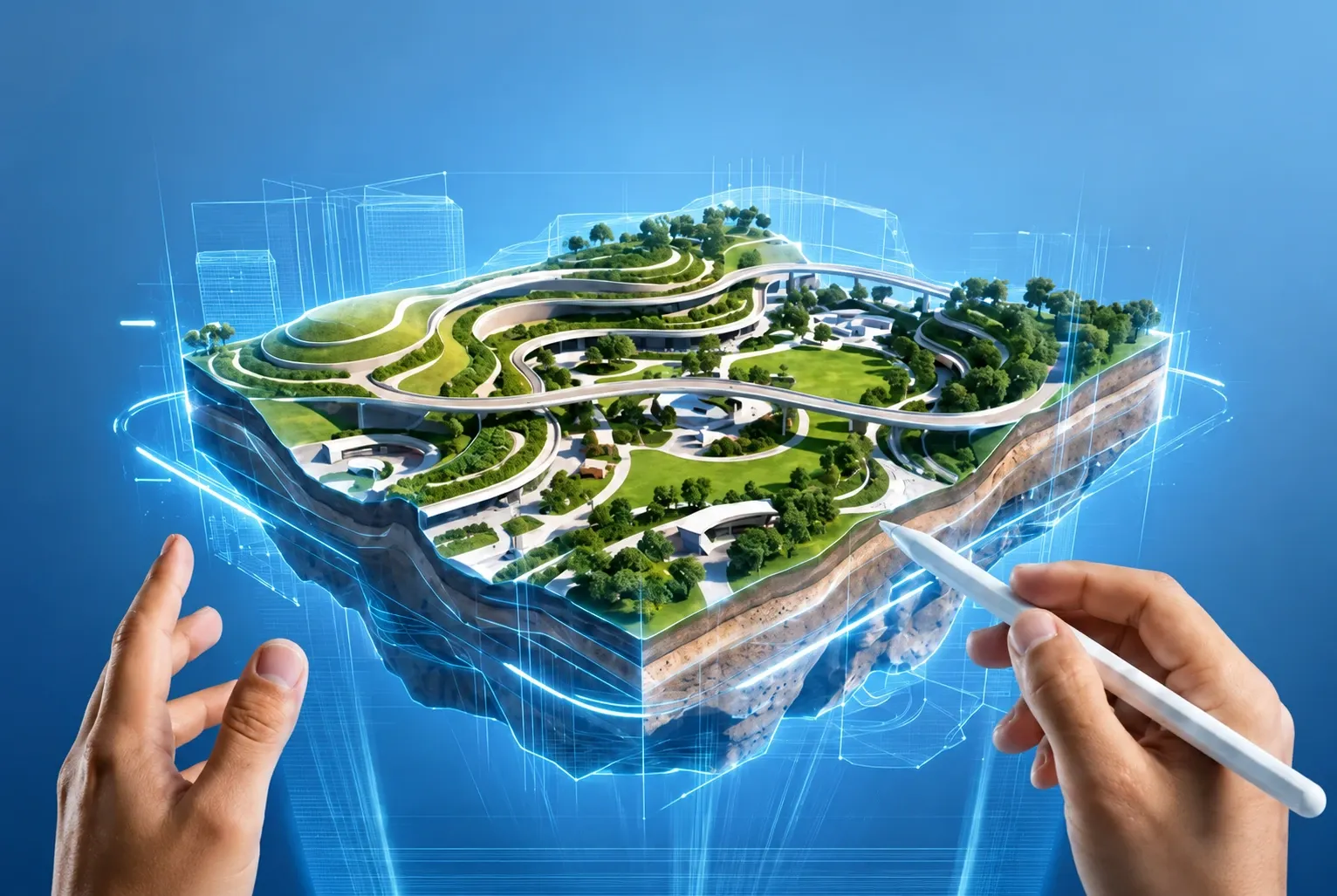
The challenge is built around a clear premise: artificial intelligence should support the design process, not replace human judgment. Participants are expected to show how AI tools helped with site analysis, user insights, concept development, scenario testing, design optimization and visualization.
Dubai Municipality said the final design decisions should remain human-led, placing community needs and daily user experience at the center of the process. The AI Park Design Challenge platform describes the initiative as a pilot effort to explore how AI can be used across urban planning, architecture and park design.
The platform also states that proposals should show how AI informed analysis, iteration and decision-making, including climate context, user behavior, environmental response, shade, microclimate and spatial layout.
Eligible Participants and Teams
The competition is open to a wide group of participants, including professionals in architecture, urban planning, landscape architecture and public space design. Undergraduate students, graduate students, PhD candidates, researchers, startups, AI specialists and technology innovators are also eligible to participate.
Applicants may enter individually or as part of a multidisciplinary team. Participation is free of charge, and submissions can be prepared in Arabic or English.
Dubai Municipality is asking participants to submit a design concept and narrative, a master plan, design drawings, visualizations, a description of the AI tools and methodology used, and sustainability and implementation considerations.
Awards and Submission Deadline
The challenge carries a total prize pool of about US$54,459 (AED 200,000). The first-place winner will receive about US$27,229 (AED 100,000), second place about US$17,699 (AED 65,000), and third place about US$9,530 (AED 35,000).
Applications are open until August 15, 2026, through the official AI Park Design Challenge portal. The first-place winner may also have the opportunity to further develop the design and implement it as a pilot park in Dubai, according to the competition platform.
Beyond the cash awards, the prize structure gives the challenge a practical edge: Dubai Municipality is positioning the winning ideas as concepts with potential real-world use, not just speculative design exercises. That focus could make the competition especially attractive to teams that want their AI-supported proposals to move from digital renderings into a live public-space setting.
Public Voting and Expert Review
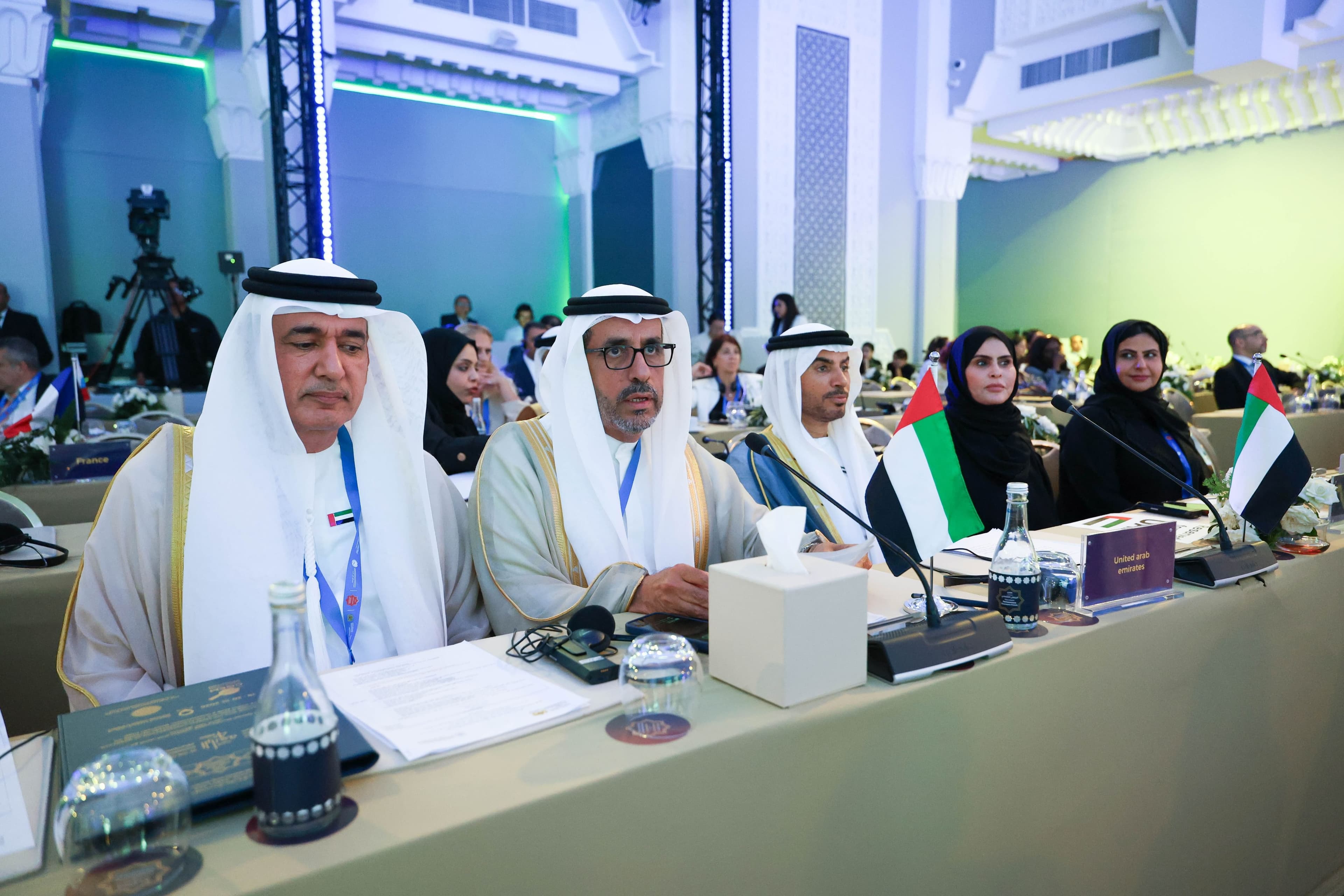
The judging process will combine expert evaluation with public participation. Dubai Municipality said the jury includes executive leaders from the Government of Dubai, as well as local and international experts in design, architecture, artificial intelligence and future city planning.
After entries are assessed and shortlisted, the community will be invited to take part in selecting the winning designs. The process gives the project a participatory element, tying technical design review to public input on how neighborhood spaces should function.
Evaluation criteria include innovation, human-centered design, effective use of AI, sustainability, resilience, design quality, user experience, feasibility and presentation.
Dubai’s Push for Smarter Public Spaces
The challenge comes as Dubai continues to expand its focus on green space, livability and technology-led urban planning. Dubai Municipality said in January 2025 that it planted 216,500 new trees in 2024, a 17% increase from the previous year, and expanded green spaces by 391.5 hectares.
The AI Park challenge also follows a broader package of Dubai Municipality projects, including the Dubai Falcon Market, Dubai Creek Lighting and new design collaborations through the Urban Planning and Design Lab. Together, the initiatives show how Dubai is linking heritage, public-space upgrades and technology-led planning as part of its wider urban development agenda.
Those efforts form part of Dubai’s wider quality-of-life agenda, which aims to make public spaces more accessible, sustainable and community-oriented.
The Al Safa 2 Park challenge adds a new layer to that strategy by testing how AI can shape the early stages of park design while still keeping human needs at the center.
The Broader Impact on Civic Design
AI has already entered architecture and urban planning through tools that can generate visual concepts, test environmental conditions and model different uses of space. Dubai’s challenge gives those tools a public-sector test case: not a private tower, luxury development or speculative master plan, but a neighborhood park intended to serve everyday users.
The project’s strongest test will be whether participants can move beyond polished visuals. A successful proposal will need to show how AI improves comfort, shade, accessibility, sustainability and real-world usability.
Dubai Municipality’s framing also signals a cautious approach to AI in civic design. The challenge does not present artificial intelligence as the designer. It presents AI as a support system for human creativity, technical analysis and public-space planning.
The competition now gives designers and technologists a chance to show whether AI can produce more than attractive renderings.