Block News International

@2026 Block News International. All Rights Reserved.

Blends Media
A Blends Media Group Production

Dubai SME and Hyatt Sign Deal to Boost Emirati Businesses in Hospitality

Arry Hashemi
Arry Hashemi
Jun. 26, 2026
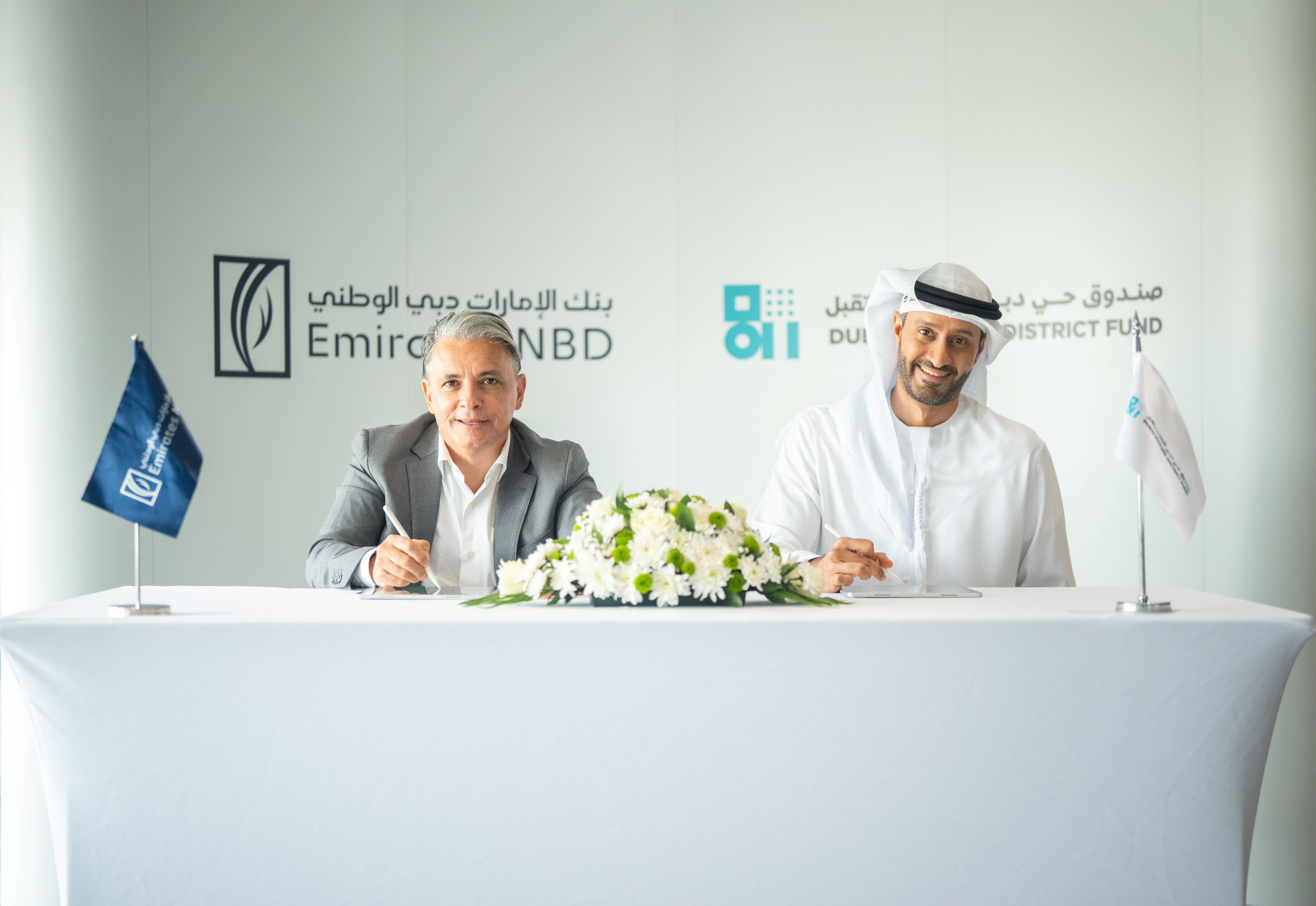
Dubai SME and HyattDubai SME’s agreement with Hyatt aims to give Emirati entrepreneurs a stronger foothold in Dubai’s hotel and tourism supply chain. (Image source: WAM)

Dubai’s small-business development agency has signed a new agreement with Hyatt hotels in Dubai, aiming to bring more Emirati-owned small and medium-sized enterprises into the city’s hospitality supply chain.

The Mohammed Bin Rashid Establishment for Small and Medium Enterprises Development announced the Memorandum of Understanding with Hyatt hotels. Dubai SME operates under the Dubai Department of Economy and Tourism, giving the agreement a direct link to the emirate’s wider economic and tourism agenda.

The partnership is designed to create new business opportunities for Dubai SME members across procurement, innovation, supplier development, retail activations and business networking. Qualified members may be able to become approved suppliers for Hyatt-branded properties in the emirate, placing local companies closer to hotel operations and the purchasing needs of one of Dubai’s most visible service industries.

A New Route Into Hospitality

The agreement gives Emirati entrepreneurs a potential route into a hospitality market that depends on a wide range of suppliers, from food and beverage providers to retail brands, design firms, guest-service companies, technology vendors and event operators.

Dubai SME and Hyatt hotels in Dubai are expected to collaborate on targeted opportunities across procurement and business development. The MoU also includes access to available retail and activation spaces inside participating properties, preferential commercial terms, discounted accommodation rates for SME members, and participation in community-driven events and brand exposure initiatives.

Rather than functioning only as a supplier-registration exercise, the agreement appears to position hotels as commercial platforms for local businesses. A small Emirati brand that secures space inside a hotel, joins a guest-facing activation, or builds a recurring procurement relationship could gain both revenue and visibility in a setting that attracts residents, business travelers and international tourists.

Where Tourism Meets SME Growth

Hospitality is central to Dubai’s economic identity, and the sector gives policymakers a practical channel to connect local businesses with demand generated by tourism, events and corporate travel.

Dubai recorded 19.59 million international overnight visitors in 2025, a 5% increase from 2024. The Government of Dubai Media Office also reported that the city’s hotel inventory reached 154,264 rooms across 827 establishments by the end of 2025, with average hotel occupancy at 80.7%.

Those figures help explain why hotels are a useful entry point for SME growth. A large hotel base creates recurring demand for suppliers, services, retail concepts, guest experiences and event support, areas where smaller Emirati businesses can compete if they meet hospitality-sector standards.

DubaiDubai’s hospitality sector remains one of the city’s strongest platforms for connecting local businesses with global visitors. (Unsplash)

Tied to Dubai’s D33 Agenda

The agreement also fits into the Dubai Economic Agenda, known as D33, which seeks to double the size of Dubai’s economy in the decade to 2033 and position the emirate among the world’s top cities for living, investing and working.

SME participation is a recurring theme in Dubai’s economic strategy because smaller businesses can help diversify local supply chains, create private-sector jobs and keep more economic value inside the domestic market. In that sense, the Hyatt agreement is not only about hotel purchasing. It is also about giving Emirati entrepreneurs a clearer route into sectors where scale, customer access and brand credibility can be difficult to achieve independently.

Ahmad Al Room Almheiri, CEO of the Mohammed Bin Rashid Establishment for Small and Medium Enterprises Development (Dubai SME), said: “Under the guidance of our visionary leadership, and aligned with the objectives of the Dubai Economic Agenda, D33, Dubai has consistently created the conditions for entrepreneurs to grow, compete, and contribute to the emirate’s long-term economic success.”

Hyatt’s Part in the Partnership

Hyatt hotels in Dubai bring the private-sector side of the partnership: operational demand, guest-facing spaces and a hospitality network that can expose local suppliers to commercial standards used by international hotel brands.

Fathi Khogaly, Area Vice President, Hyatt hotels, Dubai, said, “We are proud to collaborate with Dubai SME in supporting the city’s entrepreneurial ecosystem and strengthening connections between local suppliers and the hospitality sector. This collaboration reflects our commitment to driving innovation and opening meaningful pathways for SMEs to become part of Hyatt’s operating ecosystem, creating opportunities to enhance their readiness, visibility, and long-term success across the industry.”

Hotel procurement can be demanding, with requirements around consistency, delivery timelines, quality control, safety standards and guest experience. SMEs that can meet those expectations may become more competitive not only within Hyatt properties, but across the broader hospitality market.

More Than a Supplier Deal

The agreement includes networking and business engagement platforms, which could help entrepreneurs understand what hotel operators actually need before they pitch products or services.

This is often where SME partnerships succeed or fail. Access to a buyer is valuable, but access without preparation can lead to missed opportunities. Structured engagement may help founders refine pricing, packaging, compliance, fulfillment capacity and customer-service standards before entering procurement discussions.

Retail activations could also give smaller brands a lower-risk way to test demand. A pop-up, guest experience or community event inside a hotel can act as a live market test, allowing entrepreneurs to collect feedback and build recognition without immediately committing to a larger distribution model.

Dubai’s recent SME initiatives suggest a broader push to simplify market access for founders. Earlier in June, DET launched “SME in a Box,” an initiative designed to combine key business services into one onboarding journey for entrepreneurs. The Hyatt MoU now adds a sector-specific route into hospitality, giving local firms another potential pathway from registration to commercial opportunity.

Dubai has long used public-private partnerships to link policy goals with commercial execution. In this case, the policy goal is SME development, while the commercial setting is hospitality, a sector where customer traffic, brand exposure and procurement demand are already concentrated.