
 Uber’s move to acquire Blacklane signals a deeper push into premium, pre-booked travel services. (Shutterstock)
The agreement signals Uber’s intention to strengthen its position in higher-end, pre-booked transportation, an area that has historically operated separately from its core on-demand model.
Founded in Berlin, Blacklane has established itself as a global chauffeur platform focused on airport transfers, hourly bookings, and long-distance rides. The company operates across hundreds of cities worldwide and has built its reputation around standardized service, professional drivers, and a strong presence in corporate travel.
Uber’s acquisition represents a calculated expansion into a segment where reliability and service quality often take priority over immediacy. While the company’s core business has been built on fast, on-demand rides, it has increasingly introduced features and products aimed at riders seeking a more refined experience. The addition of Blacklane is expected to complement these efforts, bringing a well-established premium service model into Uber’s broader ecosystem.
According to the company’s announcement, the transaction is expected to close by the end of 2026, subject to regulatory approvals and customary closing conditions.
The strategic logic behind the deal is relatively clear. Blacklane offers a global network of chauffeur partners and a service model designed for pre-scheduled travel, particularly appealing to business travelers and customers seeking consistency across markets. Uber, on the other hand, brings a large global user base, advanced technology infrastructure, and extensive operational reach. The combination could allow Uber to offer a more complete spectrum of mobility services, ranging from everyday transport to premium, pre-arranged travel.
This initiative also reflects a broader shift within the mobility sector. As ride-hailing markets mature in many regions, companies are increasingly exploring adjacent segments to sustain growth and diversify revenue streams. Premium transportation, corporate mobility, and long-distance travel have emerged as areas of interest, particularly as global travel demand continues to recover and evolve.
Blacklane’s business model stands apart from typical ride-hailing services. Rather than focusing on immediate availability, the platform emphasizes pre-booked rides with fixed pricing and professionally trained drivers. This approach has allowed it to build a loyal customer base, particularly among corporate clients and international travelers who prioritize predictability and service standards.
Integrating this model into Uber’s platform could open new opportunities, but it also presents challenges. Maintaining the level of service that Blacklane customers expect will be critical, especially as the company becomes part of a larger, more complex ecosystem. At the same time, Uber will need to ensure that the integration enhances rather than complicates the user experience.
Notably, the official announcement focuses primarily on the strategic fit between the two companies and does not reference external stakeholders or prior investors in relation to the transaction. The emphasis remains on how the acquisition supports Uber’s long-term vision of expanding its mobility offerings.
The deal also comes at a time when competition within the global mobility space continues to intensify. Platforms are no longer competing solely on price or speed, but increasingly on the overall experience they provide. Features such as comfort, reliability, and service quality are becoming more important differentiators, particularly in urban markets where users have multiple transportation options.
Uber’s push into premium services suggests that the company sees long-term value in catering to a broader range of customer needs. By incorporating a chauffeur-driven model alongside its existing services, Uber may be positioning itself to capture both everyday demand and higher-value travel segments within a single platform.
The acquisition offers Blacklane the potential to scale more rapidly by leveraging Uber’s global reach and technology. While the company has already established a strong international footprint, integration with a platform of Uber’s size could significantly expand its visibility and access to new users.
As the transaction moves toward completion, attention will likely turn to how the two companies align their operations and brand identities. Successfully merging a premium chauffeur service with a mass-market ride-hailing platform is not a straightforward task, but it could redefine how mobility services are delivered across different segments.

Market ceremony moves onto the rails
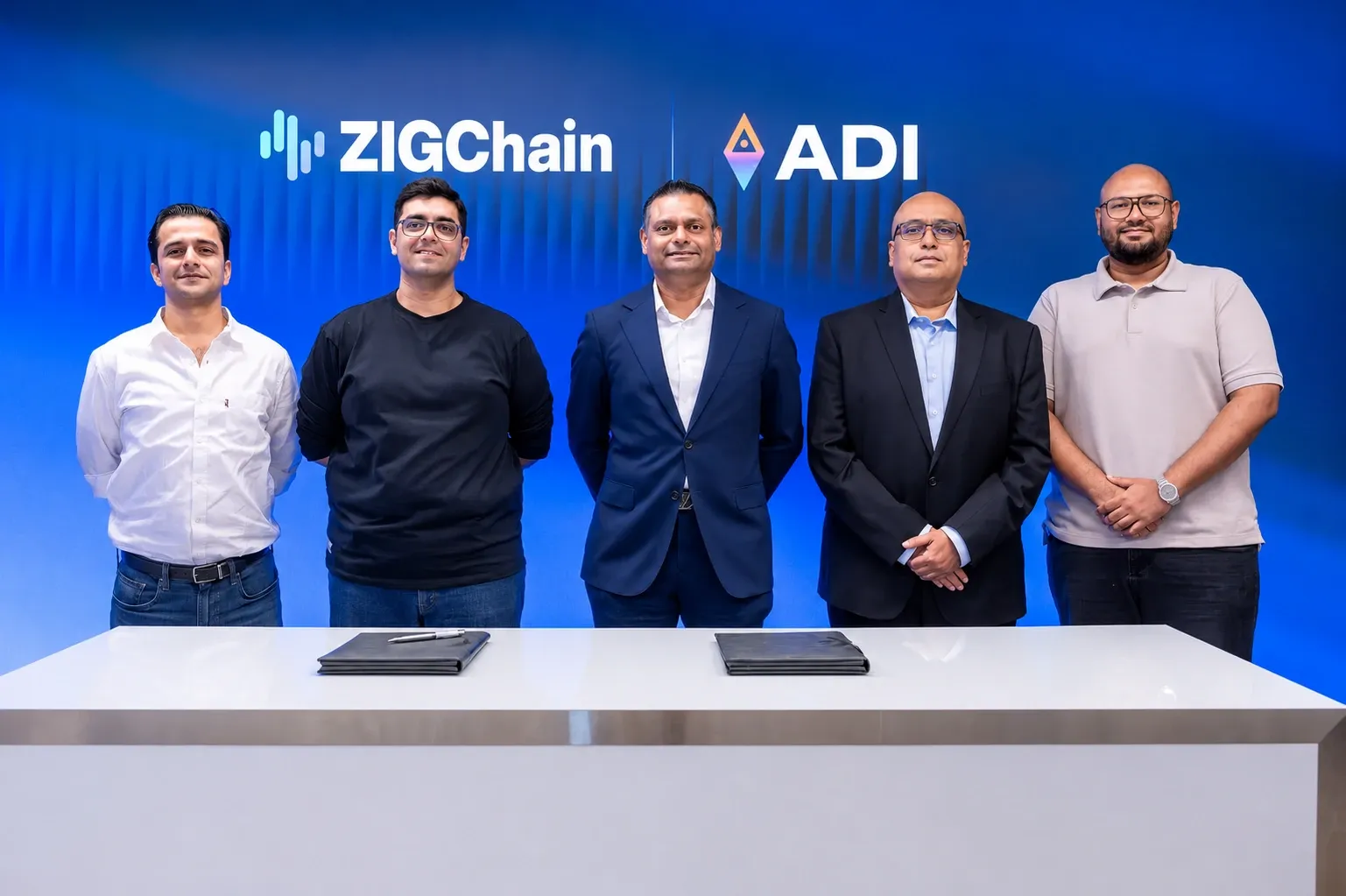
Gulf firms target digital finance infrastructure
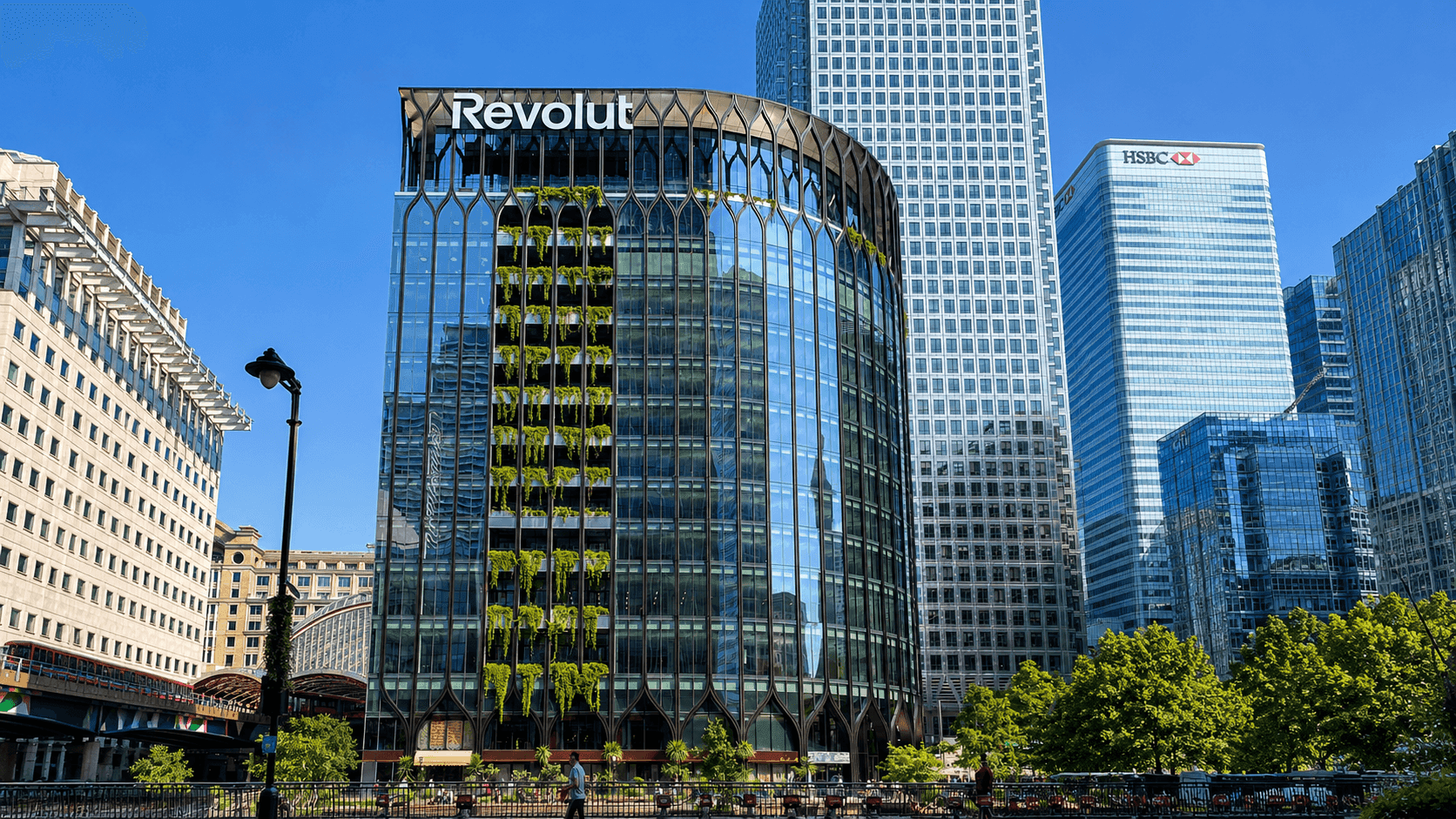
Dubai approval brings Revolut closer

Nasdaq Dubai welcomes Ajman Bank’s $300 million Sukuk

Stay ahead with the latest updates, insights, and trends shaping the world of finance, investment, blockchain, digital business, fintech, technology, and global markets.

