UAE Emerges as a Strategic Wealth Hub
Within this regional expansion, the UAE stands out as a key beneficiary of shifting global wealth patterns.
Knight Frank’s analysis suggests the country is not only attracting new wealth but also retaining its share of global UHNWIs. The Middle East’s share of global ultra-wealthy individuals has risen from 2.4% to 3.1% over the past five years, and is expected to hold steady through 2031.
This stability is notable at a time when other regions are seeing relative declines in their share of global wealth.
Behind the numbers lies a more structural story: the increasing mobility of capital and people. The report highlights a “relentless rise in the mobility of both capital and people,” as wealthy individuals increasingly relocate based on tax, lifestyle, and investment considerations.
Dubai’s Growing Influence on Global Wealth Flows
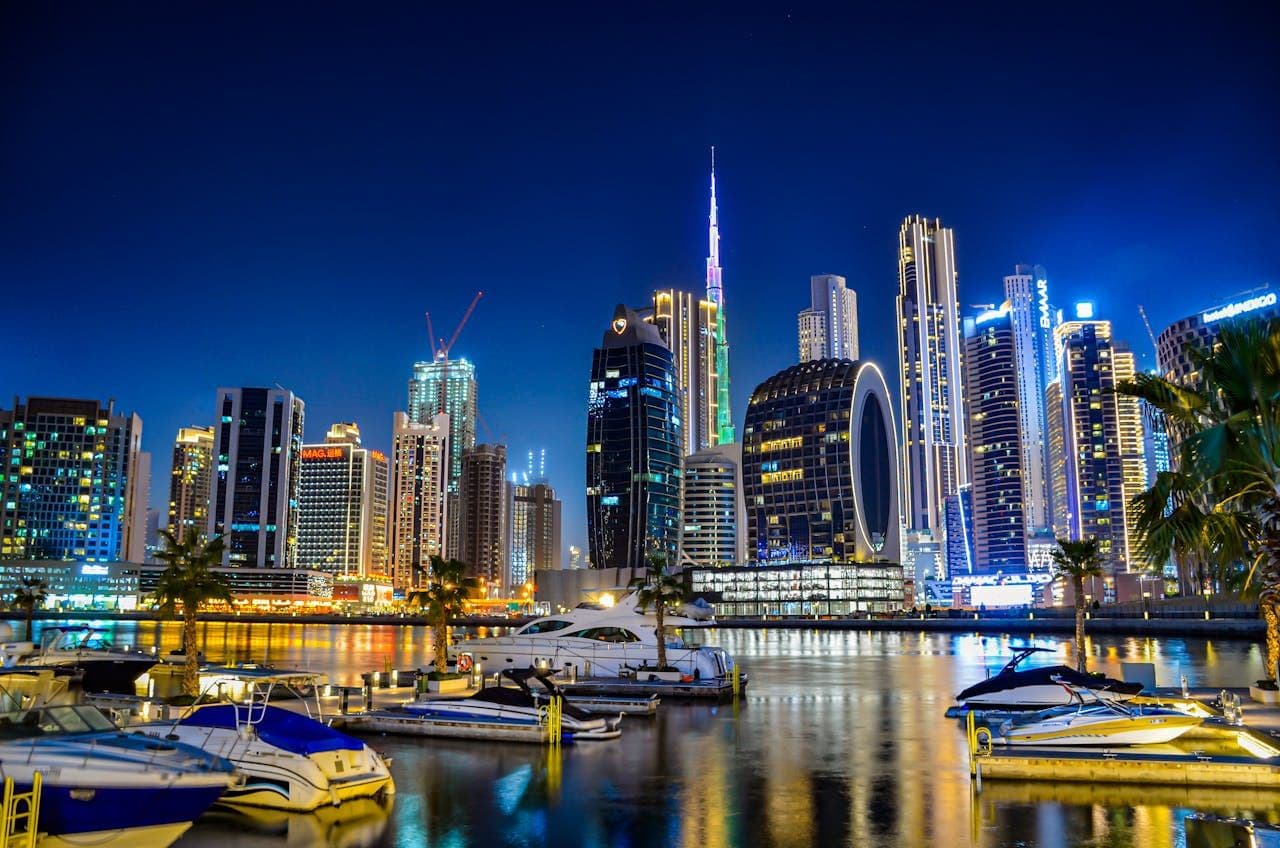
Dubai, in particular, is emerging as a central node in this evolving landscape.
Insights from Knight Frank’s Family Office Survey show that global wealth is increasingly flowing through key hubs such as Dubai, London, Singapore, and New York, with Dubai gaining momentum due to its connectivity and pro-business environment.
One respondent in the report described Dubai as a key corridor for global wealth flows, reflecting its growing importance as a base for family offices and investment activity.
The city’s appeal is reinforced by its ability to combine regulatory efficiency, lifestyle offerings and access to global markets, factors that are becoming increasingly decisive for ultra-wealthy individuals.
Real Estate and Lifestyle Drive Wealth Migration
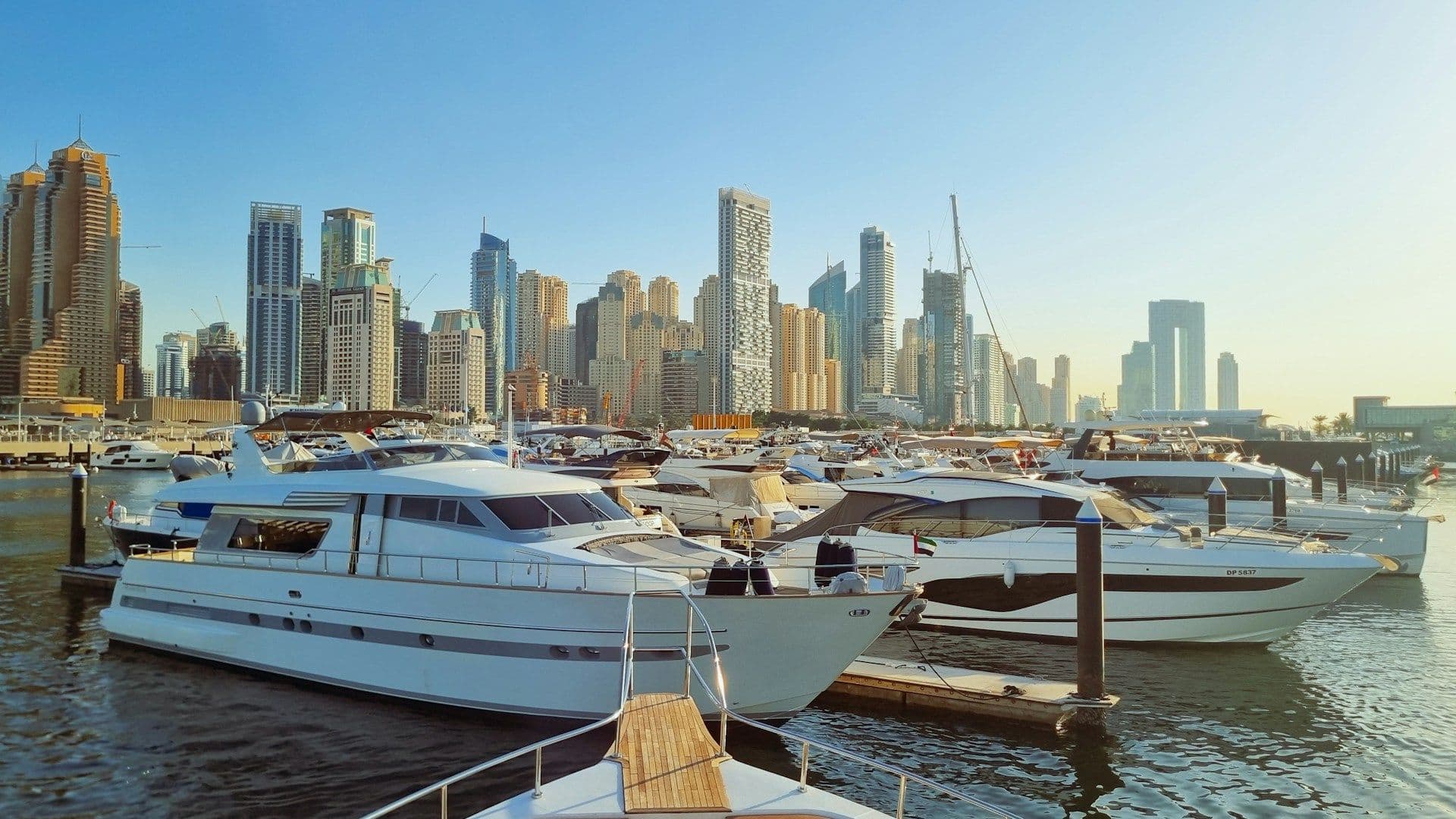
Real estate continues to play a central role in attracting global wealth to the UAE.
The report notes that accelerating wealth creation is helping insulate prime residential markets from broader economic volatility, while rising global mobility is reshaping demand patterns.
In this context, Dubai’s luxury property market has been one of the strongest performers globally, supported by limited supply of high-end homes and strong international demand.
More broadly, wealthy individuals are no longer tied to a single primary residence. Instead, many are adopting multi-location lifestyles, acquiring properties across multiple global hubs.
As one analysis in the report explains, the traditional model of owning a single home has given way to cross-border living, significantly increasing demand for prime real estate worldwide.
The Rise of the “Mobile Wealth Class”
The UAE’s growing appeal is also tied to a deeper transformation in how wealth is managed and deployed.
Family offices, private entities managing the wealth of ultra-rich families, are expanding rapidly and becoming more globally distributed. The report estimates there are now around 10,000 family offices worldwide, with increasing activity in hubs such as Dubai.
These entities are playing a critical role in directing capital flows, particularly into real estate, infrastructure, and alternative assets.
At the same time, wealthy individuals are becoming more strategic in how they position themselves geographically. Tax considerations, regulatory environments, and geopolitical stability are all influencing relocation decisions.
This shift is contributing to a more fragmented and complex global investment landscape, where agility and diversification are becoming essential.
Despite global uncertainties the outlook for wealth growth remains strong.
Knight Frank emphasizes that the challenge for investors is no longer simply accumulating wealth, but preserving and deploying it intelligently in a volatile environment.
In this context, the UAE’s combination of economic stability, strategic location and investor-friendly policies positions it as a long-term destination for global wealth.