Block News International

@2026 Block News International. All Rights Reserved.

Blends Media
A Blends Media Group Production

UAE Introduces First Fully AI-Discovered Cancer Drug Candidate

Arry Hashemi
Arry Hashemi
Apr. 24, 2026
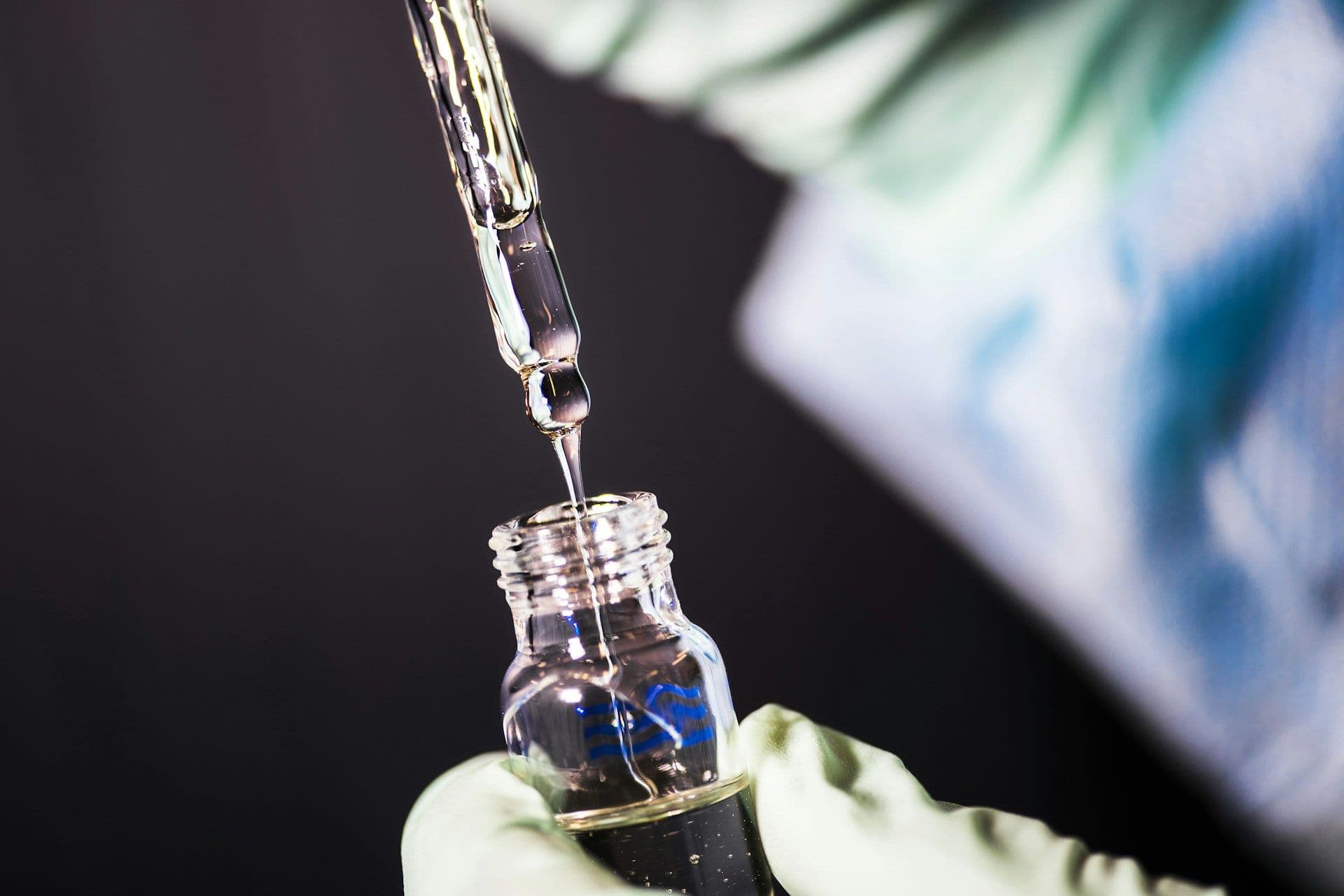
LabAI is helping researchers explore new ways to design cancer drugs, reshaping how early-stage treatments are discovered. (Unsplash)

The United Arab Emirates has taken a notable step in its push toward advanced biotechnology, announcing what it describes as the country’s first fully AI-discovered and developed cancer drug candidate.

The compound, known as ISM0387, was developed using artificial intelligence and is designed to target aggressive cancers, including certain brain tumors and solid malignancies. The candidate is currently in the preclinical stage of development.

The drug candidate focuses on inhibiting PRMT5, an enzyme associated with tumor growth in cancers involving specific genetic vulnerabilities. By targeting this pathway, researchers aim to create a treatment that selectively impacts cancer cells while limiting harm to healthy tissue.

This approach reflects a broader shift in oncology toward precision medicine, where treatments are designed to exploit specific biological characteristics of tumors rather than relying on more generalized therapies.

Early findings indicate that the compound has shown the ability to suppress tumor growth in preclinical studies. It is also reported to cross the blood–brain barrier, a key challenge in developing therapies for neurological cancers.

One of the defining aspects of ISM0387 is the speed at which it was developed. The discovery phase, supported by artificial intelligence, reportedly took just a few months, during which multiple molecular candidates were generated and evaluated. The full process from initial design to preclinical selection was completed in under a year.

This compressed timeline highlights a key advantage of AI-driven drug discovery. Traditional pharmaceutical development is widely understood to be a lengthy and resource-intensive process, often taking many years before a viable candidate reaches clinical trials.

AI platforms, by contrast, are designed to analyze large datasets and simulate molecular interactions at scale, allowing researchers to explore a broader range of possibilities in a shorter period.
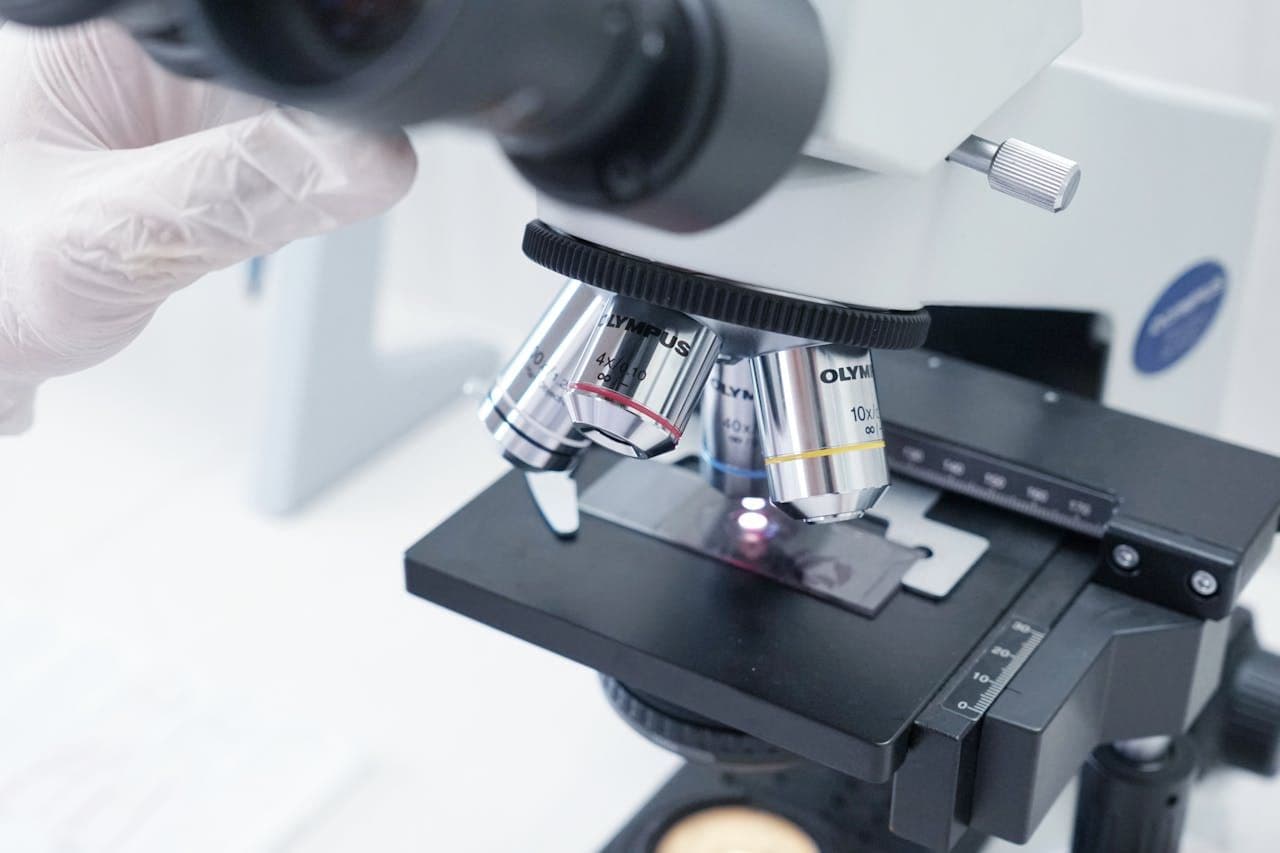
Lab 2What begins as data and algorithms in a lab could eventually shape the next generation of cancer treatments. (Pixabay)

Built Within the UAE’s Growing Innovation Ecosystem

Officials emphasized that the development of ISM0387 was carried out within the UAE, reflecting the country’s ongoing investment in artificial intelligence and life sciences.

In recent years, the UAE has positioned itself as a hub for emerging technologies, with initiatives spanning AI, digital infrastructure, and healthcare innovation. The focus has increasingly shifted toward building domestic capabilities, particularly in sectors that combine scientific research with advanced computing.

The announcement underscores a broader national strategy aimed at moving beyond technology adoption toward the creation of intellectual property and research outputs within the country.

Saeed bin Mubarak Al Hajeri, Minister of State and Chairman of the Emirates Drug Establishment, said: “this achievement will strengthen the UAE’s position in global biotech value chains, adding that the country is building knowledge-based capabilities that support its role as an active partner in developing pharmaceutical solutions and expanding its global impact.”

Dr. Fatima Al Kaabi, Director-General of the Emirates Drug Establishment, said: “this is not just a research achievement but a clear sign of the country’s growing ability to develop medicines locally, backed by advanced technologies that are improving how discoveries are made, turning data into faster and more accurate development decisions while reducing time and cost.”

Early Progress, Measured Expectations

While the announcement marks a milestone, the drug candidate remains in the early stages of development.

Preclinical success is an important step, but it represents only the beginning of a longer process. Drug candidates must undergo rigorous clinical testing to evaluate safety and effectiveness in humans, and many do not progress beyond these stages.

Still, early indications described in the announcement suggest that ISM0387 has demonstrated characteristics that support continued development.

Beyond the specific compound, the development of ISM0387 reflects a growing role for artificial intelligence in scientific research.

AI-driven approaches are increasingly being used to support drug discovery, offering the potential to reduce development timelines and improve the efficiency of identifying viable treatments.

The project represents more than a single breakthrough for the UAE. It signals an effort to establish a foothold in a highly competitive global industry, where innovation is often concentrated in established pharmaceutical and research centers.

Patients and researchers alike are seeing how AI-designed drug candidates could lead to faster, more precise therapies than traditional development methods have allowed.