
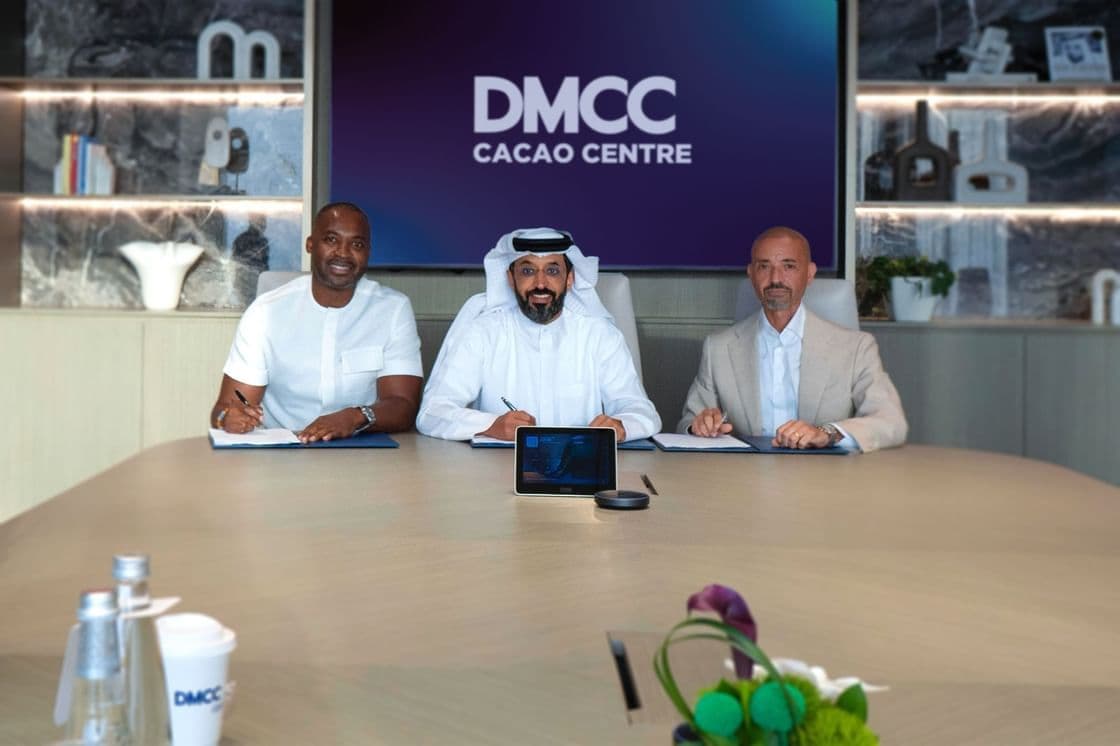
 Dubai moves to reshape global cocoa trade with launch of DMCC Cacao Centre. (Image source: WAM)
The Dubai Multi Commodities Centre (DMCC) has announced plans to launch a dedicated Cacao Center, aiming to position the emirate as a central hub for cocoa trading, processing, and financing within a market projected to reach $26.2 billion over the next decade.
The initiative signals a calculated move by Dubai to expand beyond traditional commodities like gold and diamonds into agricultural trade, an area increasingly shaped by supply chain transparency, sustainability demands and shifting global consumption patterns.
Rather than focusing solely on trade volumes, the Cacao Center is designed as an integrated ecosystem spanning the entire cocoa value chain. The platform will connect sourcing, processing, manufacturing, and distribution within a single framework.
This includes the development of physical infrastructure to support storage and processing, alongside direct access to global buyers and markets, as well as financial services embedded within DMCC’s wider ecosystem. The approach reflects a broader shift in how commodity hubs operate, where the focus is no longer limited to facilitating trade but extends to capturing value across multiple stages of production and distribution.
DMCC already hosts around 88 companies involved in cocoa-related activities, ranging from trading to confectionery manufacturing, providing the new center with a foundation of existing market participants to build upon.
Behind the commercial logic is a structural issue that has persisted in the cocoa industry for decades.
West African countries produce roughly three-quarters of the world’s cocoa, yet much of the economic value is realized elsewhere, typically in processing, branding, and retail markets.
DMCC’s model attempts to bridge this gap by bringing producers closer to capital and end markets. By centralizing services such as financing, logistics, and processing, the Cacao Center aims to reduce fragmentation in the supply chain and enable more direct participation from origin markets.
In practical terms, this could translate into improved pricing transparency, shorter supply chains, and greater traceability for buyers. These factors are becoming increasingly important as both consumers and regulators demand clearer visibility into how agricultural products are sourced and traded.
The Cacao Center is not being built from scratch in conceptual terms. It follows DMCC’s established “cluster” model, which has already been applied to sectors such as coffee and tea.
Those earlier initiatives helped consolidate fragmented industries into centralized ecosystems, combining infrastructure with trade facilitation. The cacao expansion represents the next phase of that strategy, extending the model into another high-growth agricultural commodity.
The integration with DMCC’s financial platform, including services such as structured trade finance and access to capital, is expected to play a central role in attracting global participants and scaling the initiative beyond a regional offering.
The project will be launched in partnership with companies including Kumbi Cocoa and Ribezzi Group, both of which bring experience in sourcing, processing, and distribution within the cocoa sector.
These partnerships suggest the initiative is not purely infrastructure-driven but also commercially oriented, with private-sector expertise shaping how the platform evolves and operates over time.
Ahmed Bin Sulayem, Executive Chairman and Chief Executive Officer, DMCC, said: “Cocoa today is not only about production, but about how value is structured, financed and distributed across the supply chain. With the DMCC Cacao Centre, we are building a platform around that reality. By bringing together producers, traders, manufacturers and capital within a single platform, we are creating the conditions for more value to be captured closer to origin while strengthening Dubai’s role as a global hub for agri-commodities trade. This is a natural extension of our cluster model and the next step in positioning Dubai at the centre of global food and commodities flows.”
The timing of the launch aligns with broader growth trends in cocoa and chocolate markets. Globally, the cocoa market is expected to expand from approximately $16.6 billion in 2025 to $26.2 billion by 2035, while the premium chocolate segment is projected to exceed $40 billion by 2030.
Much of this growth is being driven by increasing demand for premium and single-origin products, a stronger emphasis on ethical sourcing, and rising consumption across emerging markets. Dubai’s geographic position, bridging Africa, Europe, and Asia, provides a logistical advantage in serving these evolving trade routes efficiently.
The Cacao Centre also reflects a wider strategic shift within DMCC and Dubai’s economic planning.
Historically known for precious metals and energy trading, Dubai has increasingly diversified into agricultural commodities, positioning itself as a neutral and globally connected hub for trade flows.
The cacao initiative builds on earlier groundwork, including plans outlined in previous DMCC strategies to develop a full-service cocoa ecosystem with capabilities spanning grinding, storage, and branding..
Maritime assets move closer to blockchain markets
New FinTech Pilots Take Shape in Dubai
Terafab ties AI, robotics and space together
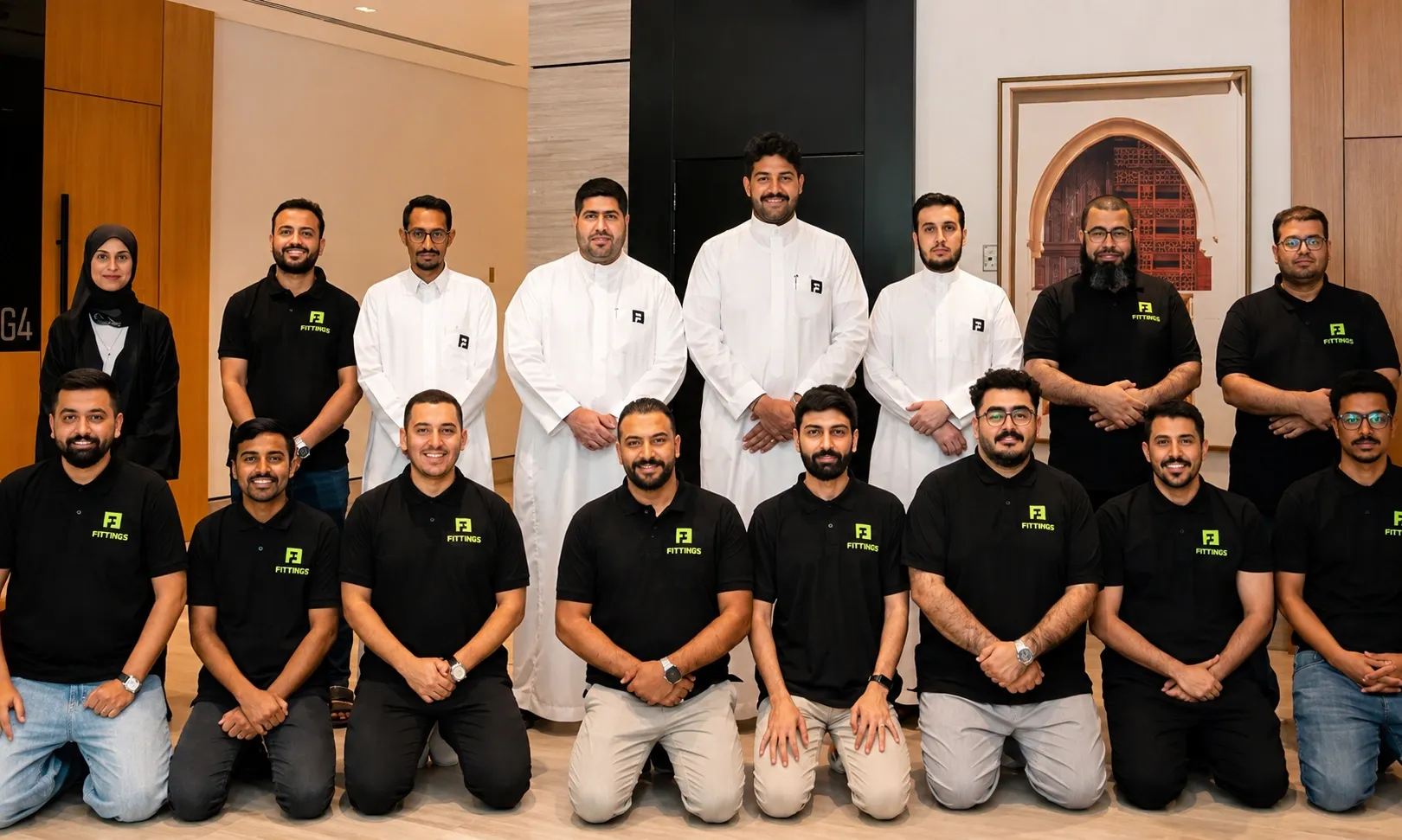
Fitting targets a more digital supply chain

Stay ahead with the latest updates, insights, and trends shaping the world of finance, investment, blockchain, digital business, fintech, technology, and global markets.

