

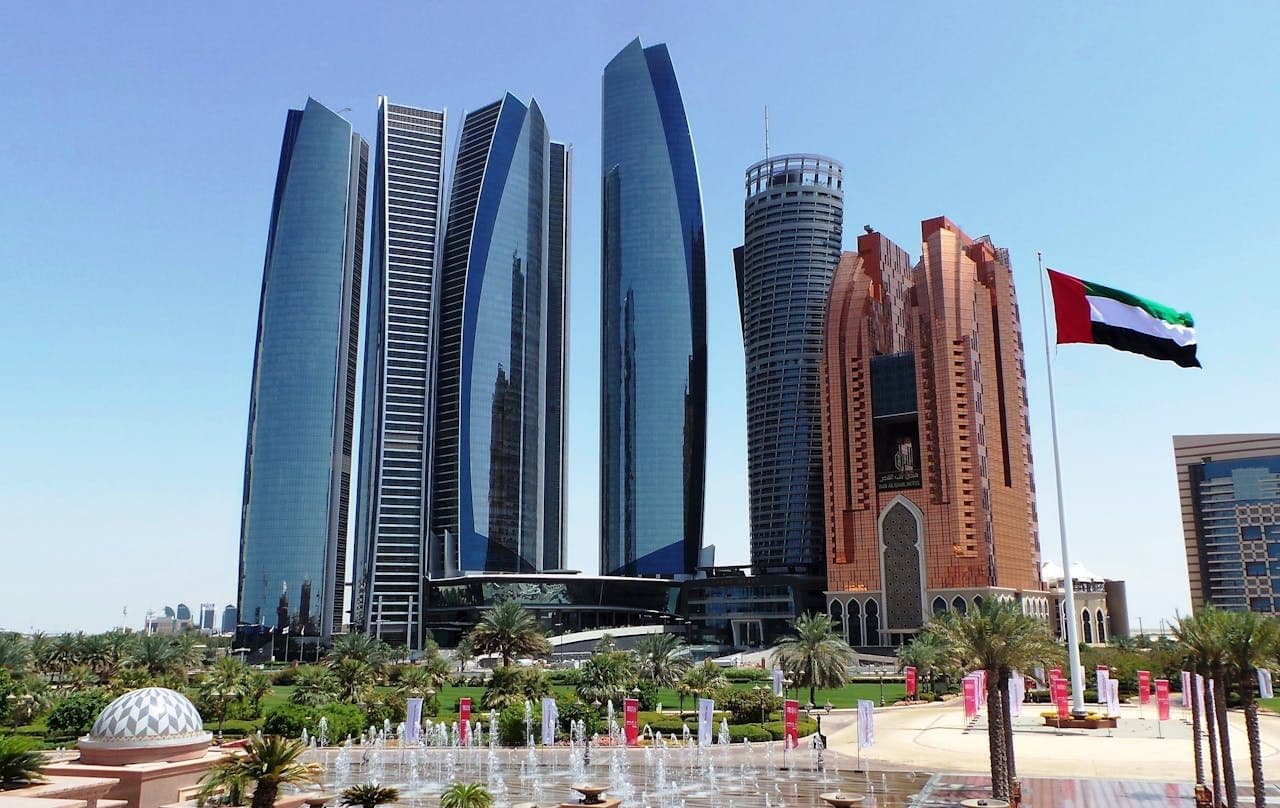
 Behind the policy shift, the UAE is channeling new funding into local industry to strengthen supply chains and boost self-sufficiency. (Pexels)
During a Cabinet meeting chaired by His Highness Sheikh Mohammed bin Rashid Al Maktoum, Vice President, Prime Minister, and Ruler of Dubai, the government endorsed a series of initiatives designed to reinforce national industry and support domestic products.
At the center of the package is the creation of a National Industrial Resilience Fund, valued at $272 million (AED 1 billion), which will focus on localizing critical industries and strengthening supply chain security across key sectors.
The latest decisions reflect a broader shift in the UAE’s economic strategy, moving from diversification in theory to localization in practice. Rather than relying heavily on imports, the government is increasingly prioritizing domestic manufacturing capabilities.
The new fund will support the development of strategic industries, build national production capacity and enhance resilience against global disruptions.
This comes at a time when global supply chains remain vulnerable to global uncertainty, trade fragmentation, and post-pandemic recalibration. By investing directly in local production, the UAE is aiming to insulate its economy from external shocks while positioning itself as a regional manufacturing hub.
One of the more forward-looking aspects of the initiative is the integration of artificial intelligence into industrial processes. The government has emphasized the role of AI in improving production efficiency, forecasting risks, and optimizing supply chain management.
Officials noted that AI technologies will be deployed across manufacturing, operations, and planning systems to enhance responsiveness and productivity.
In parallel, the Cabinet reviewed broader frameworks to improve industrial data utilization, signaling a shift toward more data-driven decision-making across the sector. The UAE wants its industrial sector to be as digitally advanced as its financial and services ecosystems.
Another key pillar of the initiative is the expansion of programs that prioritize locally produced goods. The government is working to strengthen national products by increasing their competitiveness both domestically and internationally.
This aligns with existing strategies such as the “Make it in the Emirates” initiative, which was launched to attract investment into manufacturing and boost the sector’s contribution to GDP.
By tying funding, procurement, and policy support to local production, the UAE is effectively creating a demand ecosystem for domestic manufacturers. That approach not only supports businesses but also encourages innovation and long-term industrial sustainability.
The Cabinet meeting also reviewed preparations for the upcoming fifth edition of the “Make it in the Emirates” platform, a flagship event that brings together investors, manufacturers, and policymakers.
The newly approved measures are expected to feed directly into the event, providing tangible opportunities for companies looking to participate in the UAE’s industrial expansion.
Government officials have positioned the platform as a gateway for partnerships, investment deals, and new manufacturing projects, reinforcing the country’s ambition to become a global industrial destination.
The announcement has already sent positive signals across regional markets, with investors interpreting the move as a long-term commitment to industrial growth. Rather than dispersing resources broadly, the UAE is focusing on high-impact sectors where localization can deliver measurable economic returns.
The initiative also supports the country’s wider economic transformation agenda, which aims to reduce reliance on oil revenues and build a knowledge-based economy driven by advanced industries.
What stands out in the UAE’s approach is its balance between ambition and pragmatism. Instead of announcing sweeping reforms without execution mechanisms, the Cabinet has paired policy direction with funding, institutional support, and technological integration.
The emphasis on resilience suggests that policymakers are not just chasing growth, but stability. In an increasingly unpredictable global environment, that distinction matters.

AI reshapes institutional learning across MENA
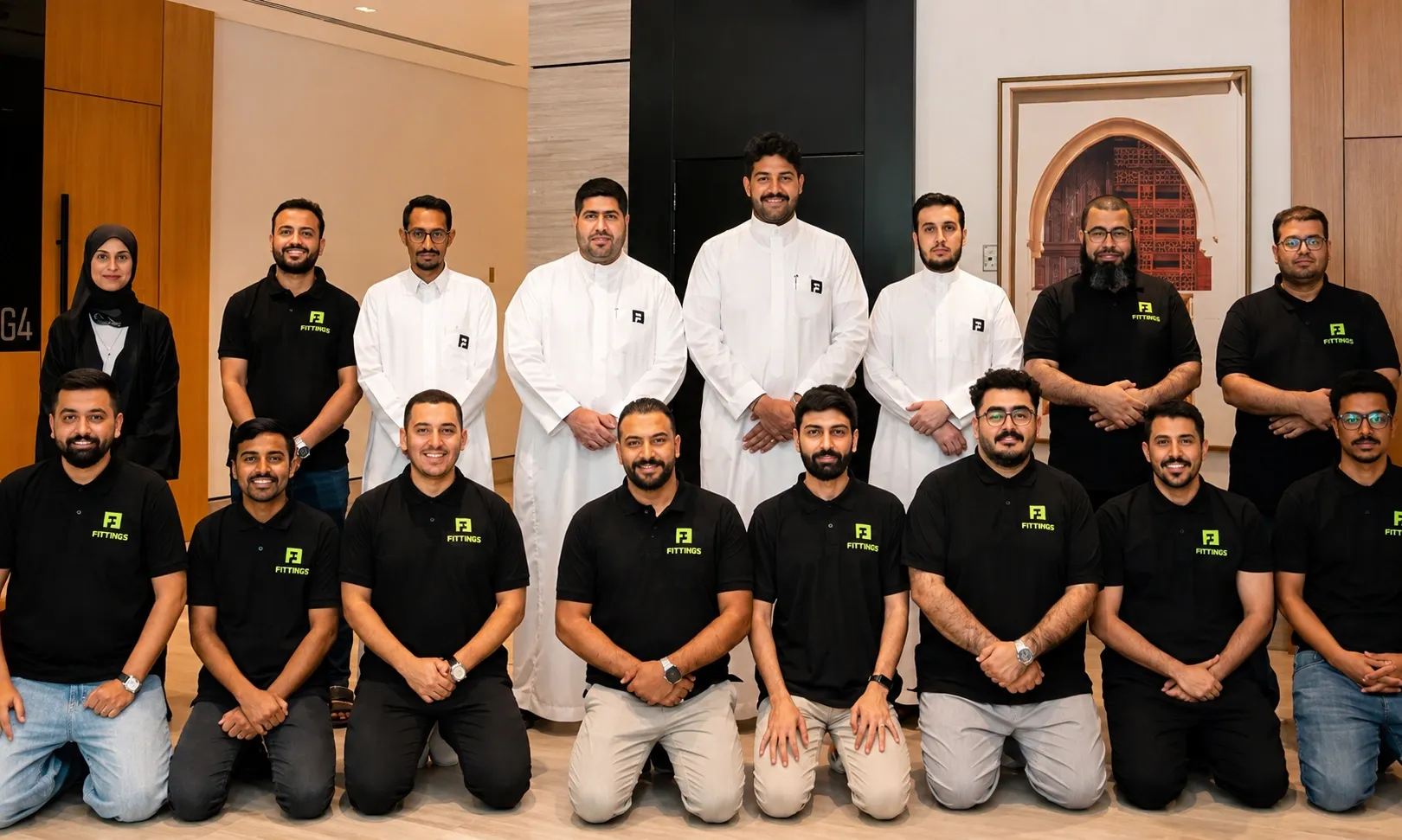
Fitting targets a more digital supply chain

AI-generated viruses raise new biosafety questions

AI and satellites drive Space42 expansion

Stay ahead with the latest updates, insights, and trends shaping the world of finance, investment, blockchain, digital business, fintech, technology, and global markets.
