

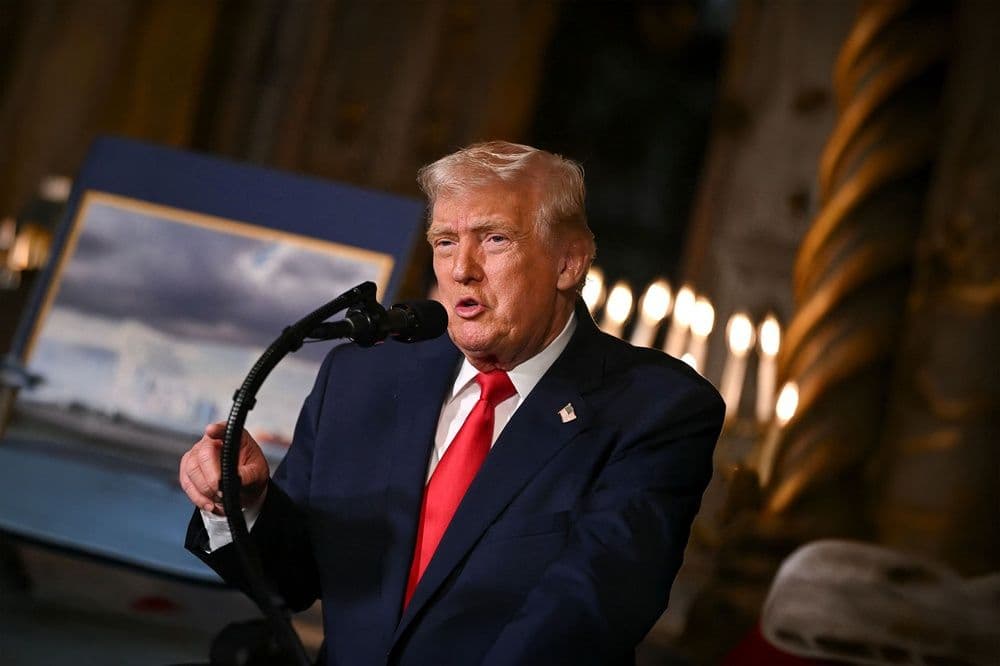
 Trump-linked World Liberty moves to secure trust bank status for USD1. (Shutterstock)
The proposed entity, World Liberty Trust Company, National Association, would operate under federal oversight and focus on the issuance, custody, and conversion of the company’s USD1 stablecoin.
According to the company, the application has been submitted to the U.S. Office of the Comptroller of the Currency and is structured to support digital asset services rather than traditional retail banking. If approved, the charter would give World Liberty Financial a single, nationwide regulatory framework for stablecoin operations, replacing the fragmented oversight that has historically defined much of the crypto industry.
World Liberty Financial said the proposed trust bank would handle the core mechanics behind USD1, including minting and redemption, custody, and fiat on- and off-ramps. The company framed the trust as infrastructure-focused rather than profit-driven at launch, noting that services are expected to be offered without fees initially, subject to regulatory approval. In addition to USD1, the trust would also support custody and conversion for other approved stablecoins.
The company disclosed that USD1 has surpassed $3.3 billion in circulation within its first year. That growth, according to World Liberty Financial, reflects increasing demand for stable digital dollars that can move quickly across platforms while maintaining a consistent value, particularly among exchanges, trading firms, and payment-oriented users.
Stablecoins have become a foundational layer of digital asset markets, widely used for trading, settlement, and cross-border transfers. Their appeal lies in simplicity: they aim to combine the speed and programmability of blockchain networks with the stability of traditional currencies. As their role has expanded, regulators have placed greater emphasis on how these tokens are issued, backed, and managed.
World Liberty Financial said its trust bank proposal is designed to meet these expectations head-on. The company emphasized that USD1 is backed by U.S. dollars and short-term U.S. Treasury instruments, a reserve structure intended to align with emerging regulatory standards and reduce risk for users. By placing issuance and custody under a federally regulated trust, the firm aims to provide clearer assurances around governance and asset safety.
Unlike commercial banks, national trust banks typically do not take deposits or issue loans. Instead, they specialize in fiduciary and custodial services. This model has increasingly been viewed as a natural fit for stablecoin issuers, where safeguarding assets and managing redemptions are more critical than traditional lending activities.
World Liberty Financial said the proposed trust would primarily serve institutional clients, including exchanges, market makers, and other financial firms seeking compliant access to stablecoin liquidity. As digital assets continue to move closer to mainstream finance, institutions have shown a growing preference for regulated structures that mirror traditional financial safeguards, particularly around custody and settlement.
The company also highlighted USD1’s multi-chain presence, noting that the stablecoin operates across several major blockchain networks. This design allows USD1 to be used for programmable payments and near-instant settlement across different ecosystems, while the proposed trust bank would provide a regulated foundation beneath that technical flexibility.
The charter application comes at a time when stablecoins are increasingly viewed as a bridge between traditional finance and blockchain-based systems. By pursuing a national trust bank charter, World Liberty Financial is signaling that it sees long-term growth coming from regulation and integration, not regulatory arbitrage. The firm positioned the move as part of a broader effort to support adoption by institutions that require clarity, transparency, and oversight.
The application is now subject to regulatory review, a process that typically involves detailed examinations of governance, capital, risk management, compliance controls, and cybersecurity practices. World Liberty Financial acknowledged that approval is not guaranteed and that the trust would only begin operations once regulators give the green light.
If approved, the World Liberty Trust Company would mark another step in the gradual convergence of digital asset infrastructure and the U.S. banking system. In the stablecoin sector, it would reinforce a broader shift toward federally regulated models that prioritize trust, transparency, and institutional confidence, factors increasingly seen as essential to the next phase of growth.

Market ceremony moves onto the rails
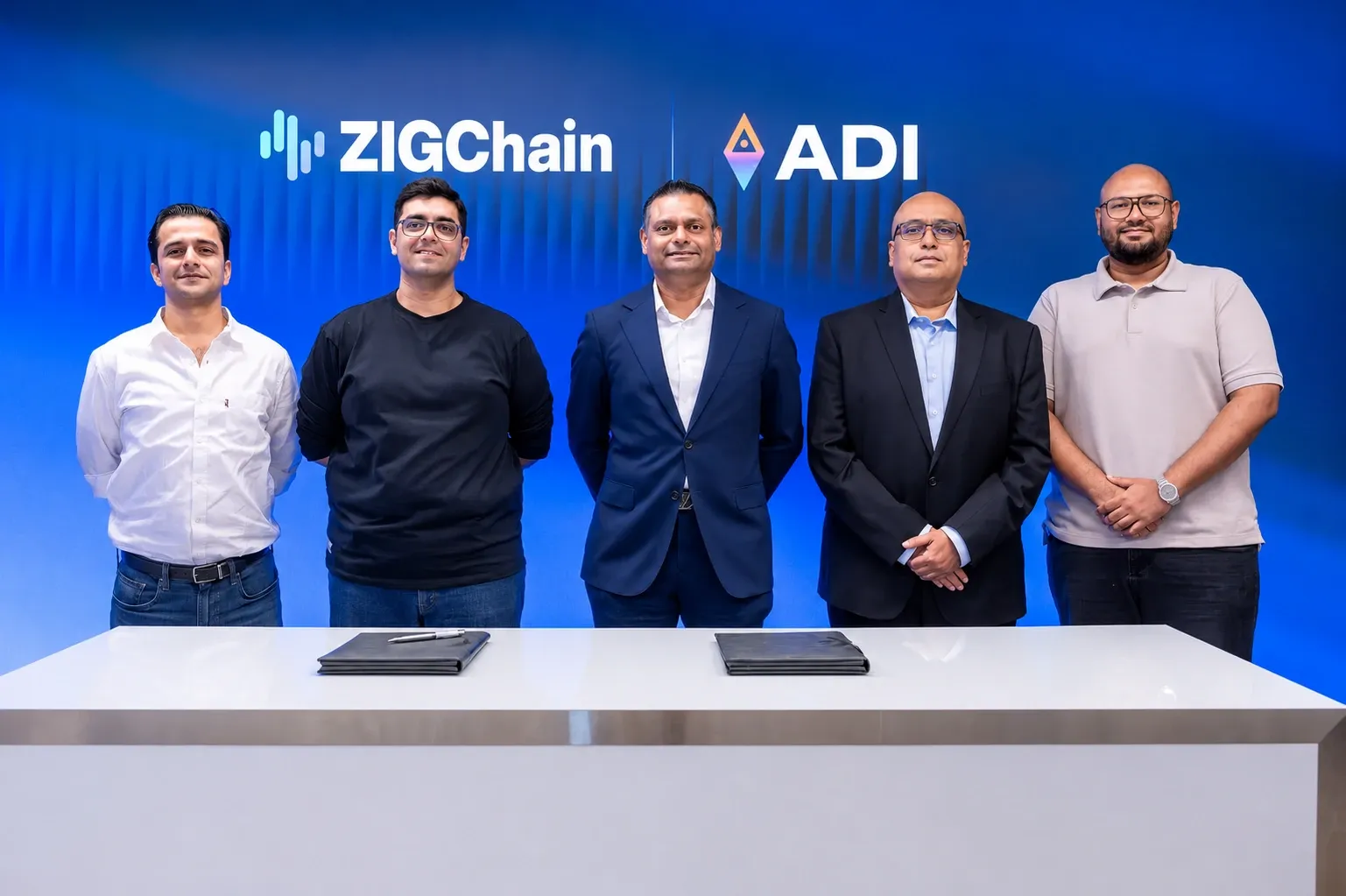
Gulf firms target digital finance infrastructure
UAE visitors gain easier banking access

Dubai approval brings Revolut closer

Stay ahead with the latest updates, insights, and trends shaping the world of finance, investment, blockchain, digital business, fintech, technology, and global markets.
