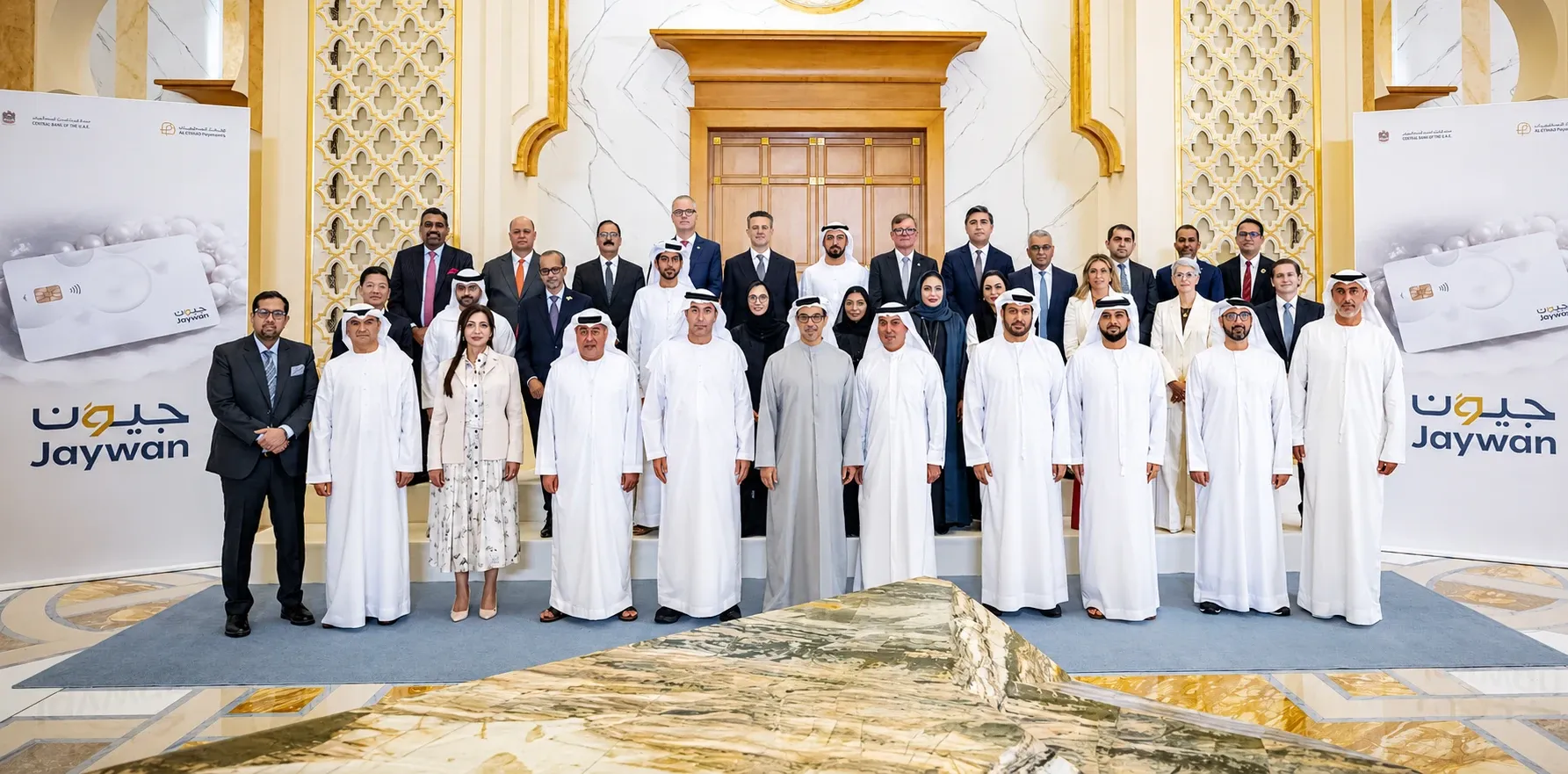
Abu Dhabi sovereign investor Mubadala Investment Company has invested $200 million in Greenlink, an operational subsea electricity interconnector linking Ireland and Great Britain, through a transaction with infrastructure investment manager Equitix.
The investment gives Mubadala exposure to a regulated energy asset that allows electricity to move in either direction across the Irish Sea.
Greenlink began commercial operations in early 2025 after several years of development and construction. Its role extends beyond carrying electricity between two markets: the cable can help grid operators respond to differences in supply, demand and power prices while supporting the use of renewable generation.
Mubadala Enters an Operational Grid Asset
Mubadala said it acquired $200 million of Equitix’s stake in Greenlink, which is held through a joint venture involving Equitix and Swedish interconnector operator Baltic Cable.
The deal differs from an investment in a power plant because Greenlink does not generate electricity. Instead, it provides transmission capacity between the Irish and British electricity systems. Power can be transferred toward the market where it is needed, subject to grid conditions, available capacity and commercial scheduling.
Greenlink’s revenue model also separates the asset from an entirely merchant infrastructure project. The interconnector operates under a cap-and-floor regulatory framework overseen by Britain’s Office of Gas and Electricity Markets, or Ofgem, and Ireland’s Commission for Regulation of Utilities, known as the CRU. The framework places upper and lower limits on the revenue the project can earn over specified periods, providing protection against very low returns while preventing the operator from retaining revenue above the regulatory cap.
Cable Connects Ireland and Wales
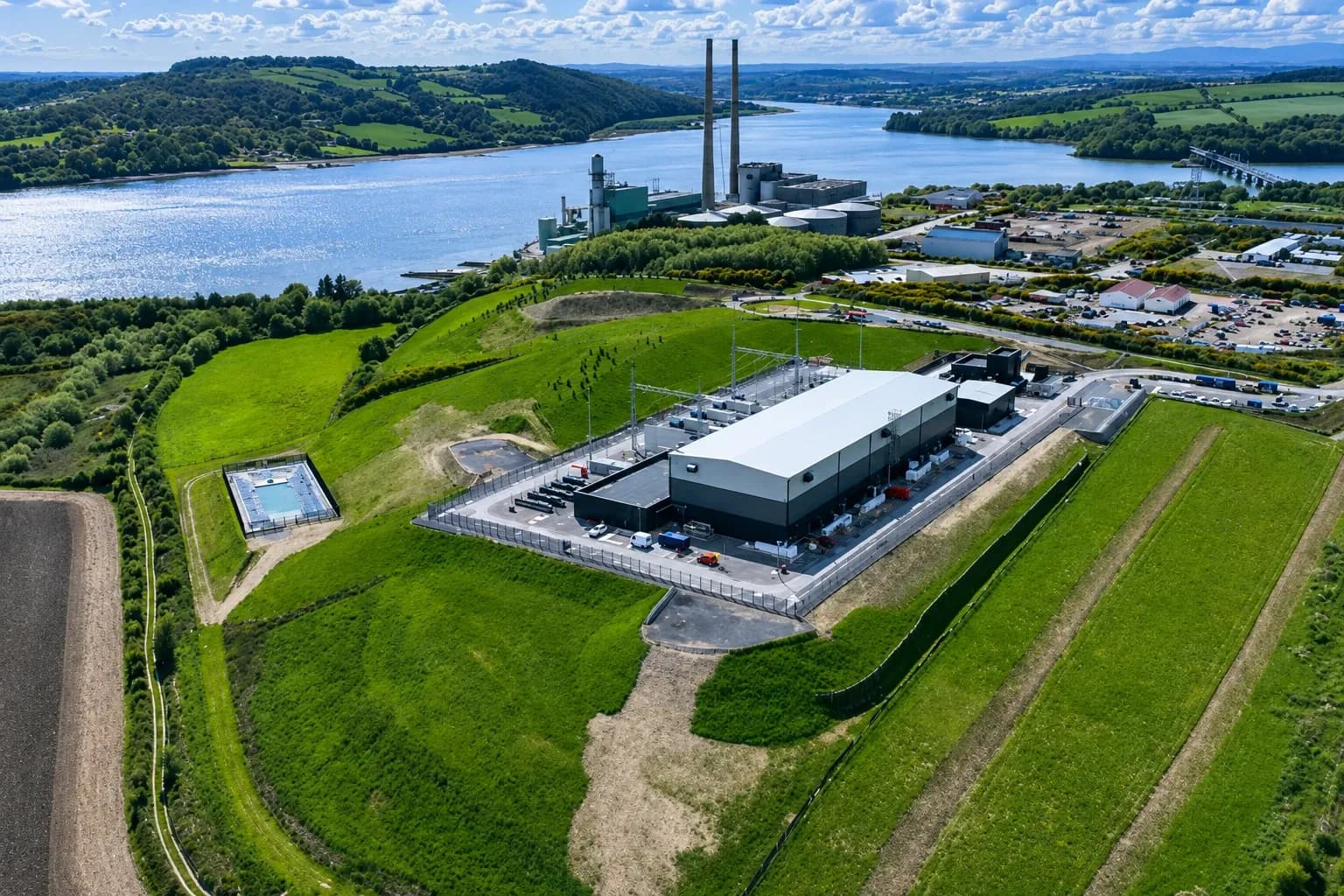
The interconnector runs between EirGrid’s Great Island substation in County Wexford, Ireland, and the National Grid network at Pembroke in Wales. Greenlink spans roughly 190 kilometers, or 118 miles, using subsea and underground high-voltage direct-current cables.
Regulatory documents assign Greenlink a nominal capacity of 504 megawatts. The project company commonly describes it as a 500-megawatt interconnector and estimates that its capacity is comparable to the electricity demand of approximately 380,000 homes. The household comparison represents an illustration of capacity rather than a guarantee that the cable continuously supplies a set number of residences.
High-voltage direct-current technology is widely used for long-distance subsea transmission because it can move large volumes of power with lower losses than an equivalent alternating-current connection over the same route. Converter stations at each end change electricity between alternating current, which is used by the domestic grids, and direct current for transmission through the link.
Ownership Changed After Construction
Private-markets firm Partners Group acquired control of Greenlink in 2019 and moved to full ownership in 2021. It guided the project through financing, construction and the beginning of commercial operations before agreeing to sell the asset to Equitix and Baltic Cable in March 2025.
Partners Group said at the time that the sale valued Greenlink at more than approximately $1.09 billion (€1 billion). The transaction gave Equitix and Baltic Cable ownership of an already-built asset rather than exposing them to the full development and construction risks faced by the previous investor.
Mubadala is now entering after the interconnector has moved into its operational phase. The sovereign investor is therefore taking exposure mainly to operating performance, electricity-market conditions, regulation and the asset’s long-term availability rather than the engineering risks associated with laying the cable.
Regulation Shapes Investor Returns
The CRU confirmed that Greenlink has been operational since January 2025 and is regulated under the cap-and-floor system. Under this structure, revenues may be supported up to a floor when market income is insufficient, while earnings above the cap are returned or accounted for under the regulatory arrangements.
Such protection does not eliminate risk. Asset availability, maintenance expenses, financing costs, regulatory decisions and unplanned outages can still affect returns. Revenue performance can also depend on the volume and direction of electricity traded between the two connected markets.
The regulators review eligible project costs and determine the final values used in the framework. Their oversight means investors cannot independently set unrestricted transmission charges or retain unlimited gains during periods of unusually profitable electricity trading.
Interconnectors Support Renewable Integration
Ireland has added growing amounts of wind generation, while Great Britain has expanded offshore wind and other renewable capacity. Output from those sources varies with weather conditions, creating periods when electricity supply may exceed domestic demand in one market while the neighboring system requires additional power.
An interconnector can provide another outlet for surplus generation and another source of imported electricity when local supply is constrained. The direction of Greenlink’s flows can change, allowing Ireland or Great Britain to act as either exporter or importer at different times.
Grid connections cannot solve renewable intermittency by themselves. Their contribution depends on available generation, transmission constraints, market prices and the condition of the surrounding networks. Even so, additional cross-border capacity can give system operators and market participants more options when balancing electricity supply and demand.
Deal Expands Mubadala’s Infrastructure Exposure
Mubadala manages a global portfolio spanning energy, infrastructure, technology, healthcare and other sectors. The Greenlink transaction places additional capital into European electricity infrastructure at a time when grids require investment to accommodate renewable generation, electrification and changing patterns of power consumption.
The transaction adds to Mubadala’s recent investments in European energy infrastructure, including a $325 million commitment to Ørsted’s Hornsea 3 offshore wind farm in the United Kingdom, which is expected to become the world’s largest single offshore wind project once completed.
The agreement also extends Mubadala’s relationship with specialist infrastructure managers rather than making the sovereign investor the sole owner or operator of the asset. Equitix manages investments across energy, transportation, utilities and social infrastructure, while Baltic Cable operates the electricity interconnector between Sweden and Germany.
Greenlink is one of several cross-border electricity interconnectors supporting greater integration between the British and Irish power markets. Its regulated operating model is intended to provide long-term revenue stability while improving electricity system flexibility.
Focus Shifts to Operational Performance
Greenlink’s commercial importance will ultimately be determined by its availability, actual electricity flows and performance within the British and Irish regulatory systems. Reliable operations could support power trading and grid flexibility, while prolonged outages would reduce the asset’s usefulness and potentially affect financial results.
The transaction gives Mubadala access to infrastructure with an established physical footprint and a regulated revenue framework, but it does not remove market, technical or policy uncertainty. Future regulatory reviews will influence the revenue Greenlink is permitted to earn, while electricity-market conditions will shape demand for the cable’s capacity.
Completion of the investment adds a new institutional investor to an asset connecting two national electricity markets.