Reflection AI has agreed to purchase more than $1 billion in artificial intelligence computing capacity from Nebius through 2029, giving the startup access to advanced Nvidia hardware as it works to develop open models capable of competing at the technological frontier.
Reflection will gain access to Nvidia’s GB300 systems through Nebius, an Amsterdam-based AI cloud provider that operates large-scale computing infrastructure across the United States and Europe, according to a report by Bloomberg.
The commitment adds another major source of computing power to Reflection’s expanding infrastructure portfolio. It also underscores how access to high-performance chips has become a strategic requirement for AI developers seeking to train increasingly large and sophisticated models.
A Major Infrastructure Commitment
The multiyear agreement will run through 2029, giving Reflection access to advanced Nvidia computing capacity as it scales the development and training of frontier open AI models.
The agreement will support Reflection’s development and training of large-scale frontier AI systems, providing the computing capacity needed to build open models capable of competing with those produced by leading closed AI laboratories.
Reflection has also made a substantial infrastructure commitment with SpaceX, securing additional computing capacity under a separate agreement valued at approximately $150 million per month through 2029. The arrangement forms part of the company’s broader effort to lock in the large-scale resources required to train and operate increasingly advanced AI models. Depending on the exact start date and usage terms, that commitment could reach several billion dollars.
Large AI training runs require thousands of specialized graphics processing units operating together for extended periods. Compute availability therefore influences how quickly developers can experiment, retrain models and improve performance. Startups with ambitious model-development plans must secure both capital and reliable access to hardware well before their systems are ready for release.
Reflection Builds an Open-Model Challenger
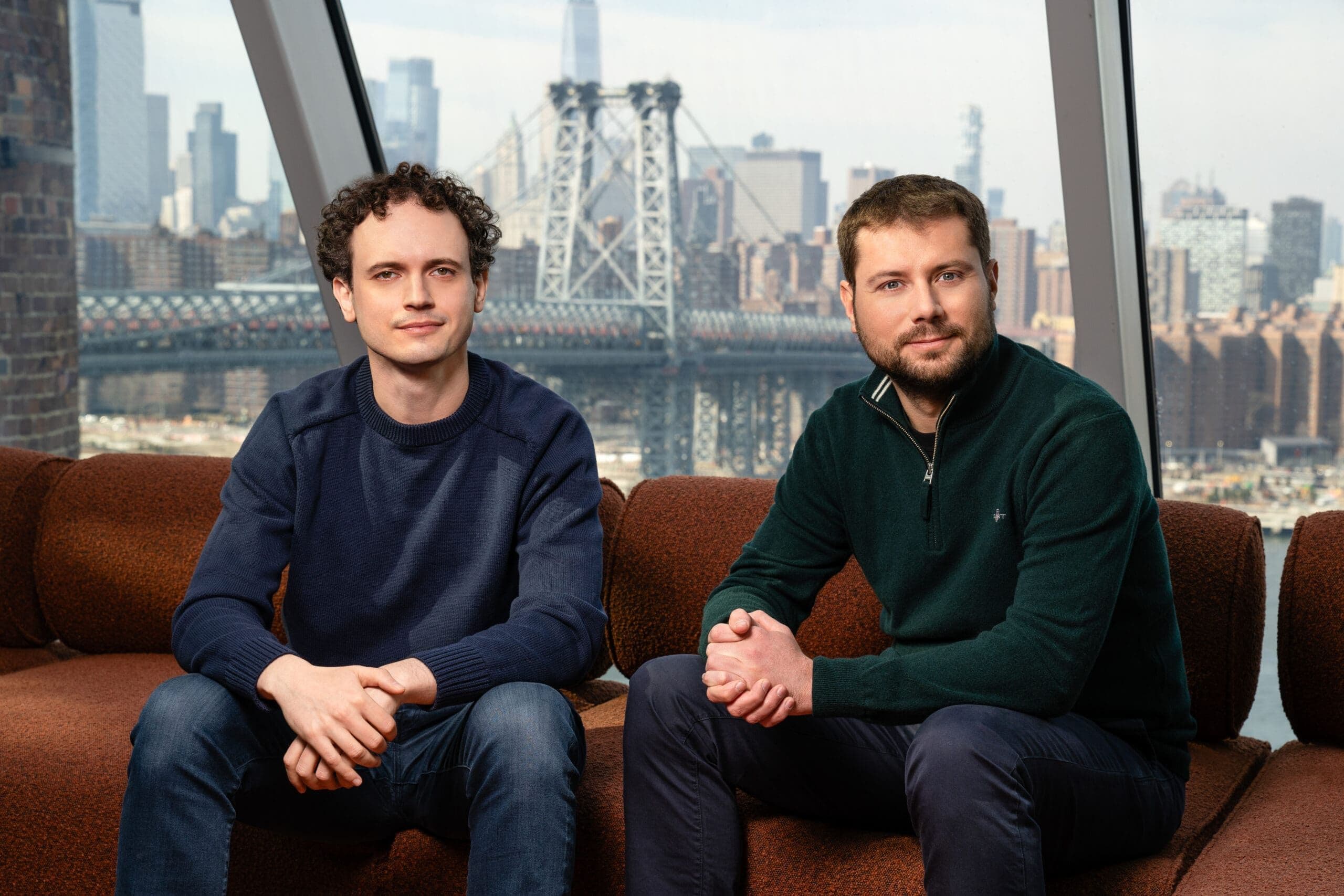
Reflection was founded by former Google DeepMind researchers Misha Laskin and Ioannis Antonoglou. Antonoglou previously contributed to DeepMind projects including AlphaGo, while the company’s wider team includes researchers and engineers with experience at several prominent AI organizations.
The startup said in October 2025 that it had raised $2 billion to build what it calls “frontier open intelligence.” Investors named by Reflection included Nvidia, Sequoia Capital, Lightspeed Venture Partners, DST Global, B Capital, Citi, CRV and Zoom Ventures.
Reflection’s stated goal is to release advanced models that developers, researchers and businesses can inspect, customize and deploy more freely than proprietary systems. The company argues that increasingly capable AI should not remain concentrated within a small group of closed laboratories controlling the necessary capital, talent and computing infrastructure.
Its strategy places Reflection in competition not only with U.S. developers such as OpenAI, Anthropic and Google, but also with Chinese companies that have gained international attention through openly available or open-weight models. Chinese developers including DeepSeek and Alibaba’s Qwen team have expanded the range of models available to businesses seeking alternatives to closed commercial platforms.
Open-weight systems allow users to download and operate model parameters, although licensing conditions, training-data transparency and the degree of technical openness vary significantly between developers. Reflection has not yet released the frontier-scale general-purpose model that would demonstrate whether its infrastructure spending can translate into performance comparable with the most advanced systems.
Nebius Expands Its Role in the AI Supply Chain
Nebius describes itself as a full-stack AI cloud company providing infrastructure for model training, fine-tuning, inference and deployment. The company is headquartered in Amsterdam and operates computing capacity in several European and U.S. locations.
Its platform includes Nvidia hardware designed for high-intensity AI workloads. Nebius said in a December 2025 technical announcement that it had deployed Nvidia GB300 NVL72 systems at its data center in Finland, making the Blackwell Ultra-based infrastructure available for large-scale training and inference.
The Reflection contract broadens Nebius’s customer base as demand for specialized AI cloud services continues to grow. Nebius has also entered large infrastructure agreements with major technology companies, including a multiyear deal with Microsoft.
Nebius reported first-quarter 2026 revenue of $399 million, nearly eight times its level from the corresponding period a year earlier.
The rapid growth of providers such as Nebius reflects a broader shift in the AI supply chain. Developers that lack the scale to build their own global data-center networks are increasingly turning to specialized cloud companies capable of supplying large clusters of advanced GPUs under long-term agreements.
Compute Access Becomes a Competitive Advantage
Reflection’s agreement illustrates the financial threshold now facing companies that want to build models near the leading edge of AI research. Funding a strong engineering team is only one part of the challenge. Developers must also obtain enough electricity, data-center space, networking equipment and advanced processors to keep large training clusters operating reliably.
The more than $1 billion agreement gives Reflection access to the computing capacity needed to advance its models at scale. Its progress will also depend on the company’s architecture, training data, research execution, software efficiency and post-training techniques.
Securing capacity through multiple providers could nevertheless reduce Reflection’s exposure to shortages at any single cloud operator. It may also give the company greater flexibility as it moves between large pretraining runs, reinforcement-learning workloads and eventual commercial deployment.
The deal signals that Reflection is preparing to compete at a scale beyond that of a typical early-stage AI startup.