Block News International

@2026 Block News International. All Rights Reserved.

Blends Media
A Blends Media Group Production

Mubadala Invests $325 Million in World’s Largest Offshore Wind Farm

Arry Hashemi
Arry Hashemi
May. 13, 2026
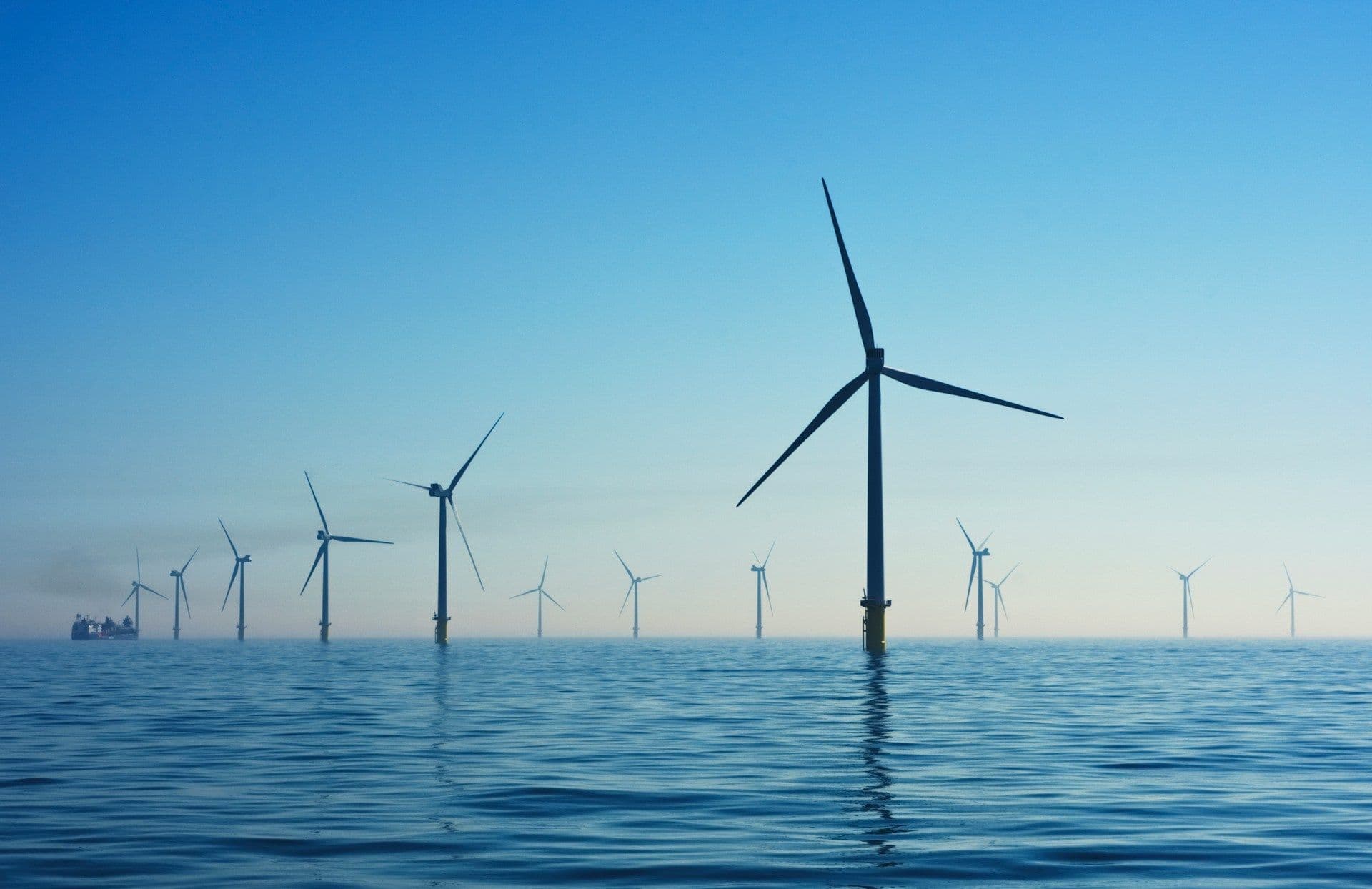
Offshore wind farmHornsea 3 is expected to become the world’s largest offshore wind farm once completed, highlighting the growing role of global investors in large-scale renewable energy projects. (Unsplash)

Abu Dhabi sovereign investor Mubadala Investment Company is deepening its push into global renewable energy infrastructure with a $325 million investment in Hornsea 3 Offshore Wind Farm, a massive offshore wind project expected to become the world’s largest single offshore wind farm once completed.

The investment places Mubadala alongside a consortium led by funds managed by Apollo Global Management, with participation from pension investors USS and La Caisse. Danish renewable energy developer Ørsted will retain a 50% ownership stake and continue overseeing the development, construction, and operation of the project.

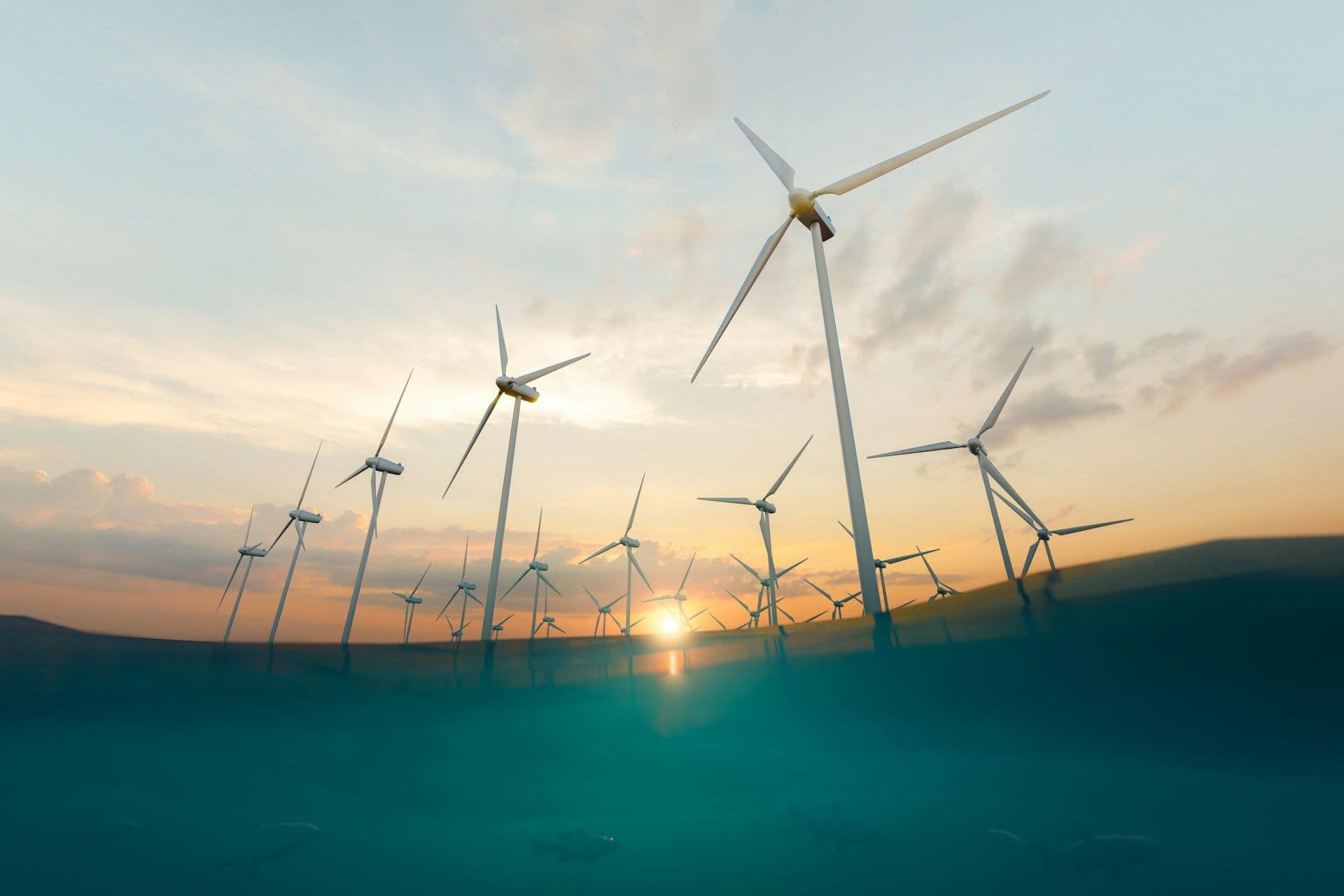
Located off the Norfolk coast in eastern England, Hornsea 3 is expected to deliver around 2.9 gigawatts of renewable generation capacity, enough to power more than 3.3 million UK homes. The project forms part of the broader Hornsea offshore wind zone in the North Sea, one of the largest offshore wind development areas in the world.

Offshore wind farm 2Located off the UK coast, Hornsea 3 is expected to generate enough renewable electricity to power more than 3.3 million homes. (Unsplash)

Gulf Investors Accelerate Energy Transition Investments

The announcement reflects a broader shift among Gulf sovereign wealth funds and institutional investors toward large-scale energy transition assets, particularly in Europe’s established renewable energy markets. While oil and gas revenues continue to underpin many Gulf economies, state-backed investors are increasingly targeting infrastructure linked to decarbonization, energy security, and long-term utility demand.

Karim El Jazzar, Head of EMEA, Infrastructure, Mubadala, said: “Hornsea 3 is a large-scale infrastructure asset supporting the expansion of renewable generation capacity in one of the world’s most established offshore wind markets. This investment reflects Mubadala’s approach of investing alongside experienced partners in high-quality infrastructure assets that support the energy transition while delivering long-term value. As electricity demand continues to grow, projects of this scale will play a critical role in expanding generation capacity and supporting the transition to a more sustainable energy system.”

Apollo-Led Consortium Expands Offshore Wind Investment

The deal follows Apollo-managed funds’ earlier acquisition of a 50% stake in the joint venture that owns Hornsea 3. Under the arrangement, Ørsted remains the lead industrial operator and developer behind the project, maintaining operational control while bringing in external capital partners to support financing.

Adam Petrie, Infrastructure Partner, Apollo, said: “Mubadala is an exceptional partner and we are pleased to welcome them to the Hornsea 3 consortium. Their investment alongside Apollo Funds and leading institutional investors speaks to the quality, scale and potential of the Hornsea 3 project as a generational infrastructure asset with the capacity to provide reliable, renewable power to over 3 million homes across the UK.”

The investment adds another major renewable infrastructure asset to Mubadala’s portfolio, which already includes stakes in energy transition platforms across Europe and Asia. The Abu Dhabi investor has previously backed companies and projects tied to solar, wind, and broader clean-energy infrastructure as part of its long-term diversification strategy.

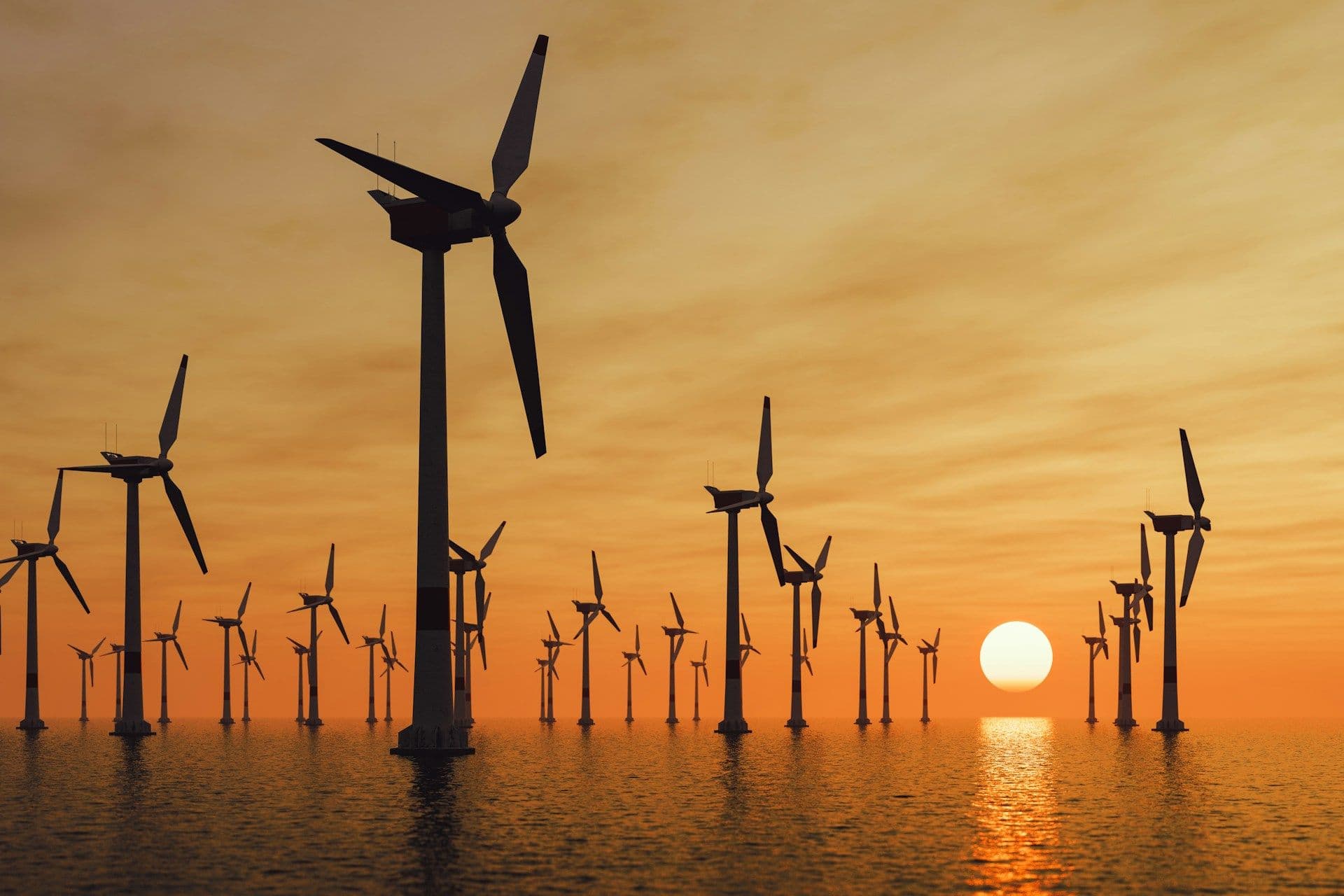
Offshore wind farm 3Backed by international investors including Mubadala, Hornsea 3 is set to become one of Europe’s most significant renewable energy developments. (Unsplash)

UK Offshore Wind Market Continues Expanding

The UK, meanwhile, continues to position itself as one of the world’s largest offshore wind markets outside China. Successive British governments have supported offshore wind development through long-term policy frameworks and subsidy mechanisms aimed at scaling renewable electricity generation while reducing dependence on fossil fuels.

Hornsea 3 is also part of a wider trend toward increasingly large offshore wind developments. Turbine sizes, project footprints, and total generating capacity have all expanded significantly over the past decade as developers seek economies of scale and improved efficiency in offshore energy production.

Large offshore wind projects can generate substantial amounts of electricity while avoiding some of the land limitations associated with onshore renewable developments. However, these projects also require significant upfront funding, increasing the role of sovereign wealth funds and institutional investors in financing large-scale renewable infrastructure.

Offshore Wind Draws Long-Term Investors

The scale of Hornsea 3 highlights how renewable infrastructure is evolving into an asset class comparable to traditional energy megaprojects. Once operational, the project is expected to rank among the most significant renewable power assets in Europe by generation capacity.

Offshore wind has also become central to Europe’s broader energy transition strategy following years of volatility in global energy markets and growing concerns over long-term energy security. Governments across the region have accelerated renewable deployment targets while encouraging private capital participation in large-scale clean-energy projects.

Projects such as Hornsea 3 offer Gulf investors including Mubadala exposure to stable, regulated infrastructure markets with long-term revenue potential. Renewable energy assets are increasingly seen by sovereign wealth funds as a way to balance traditional hydrocarbon-linked investments while aligning with global decarbonization trends.

Construction on Hornsea 3 is already progressing, with the project expected to become operational later this decade. The wind farm will sit approximately 120 kilometers off the UK coast in the North Sea.

The investment also underlines the growing intersection between Gulf capital and European energy infrastructure. Over the last several years, sovereign investors from the UAE and Saudi Arabia have steadily increased their presence in renewable energy, utilities, logistics, and critical infrastructure projects across Europe and other international markets.