Saudi Arabia’s artificial intelligence push is moving beyond data centers and digital platforms into the physical world, with HUMAIN working with NVIDIA to support the development of autonomous mobility infrastructure in the Kingdom.
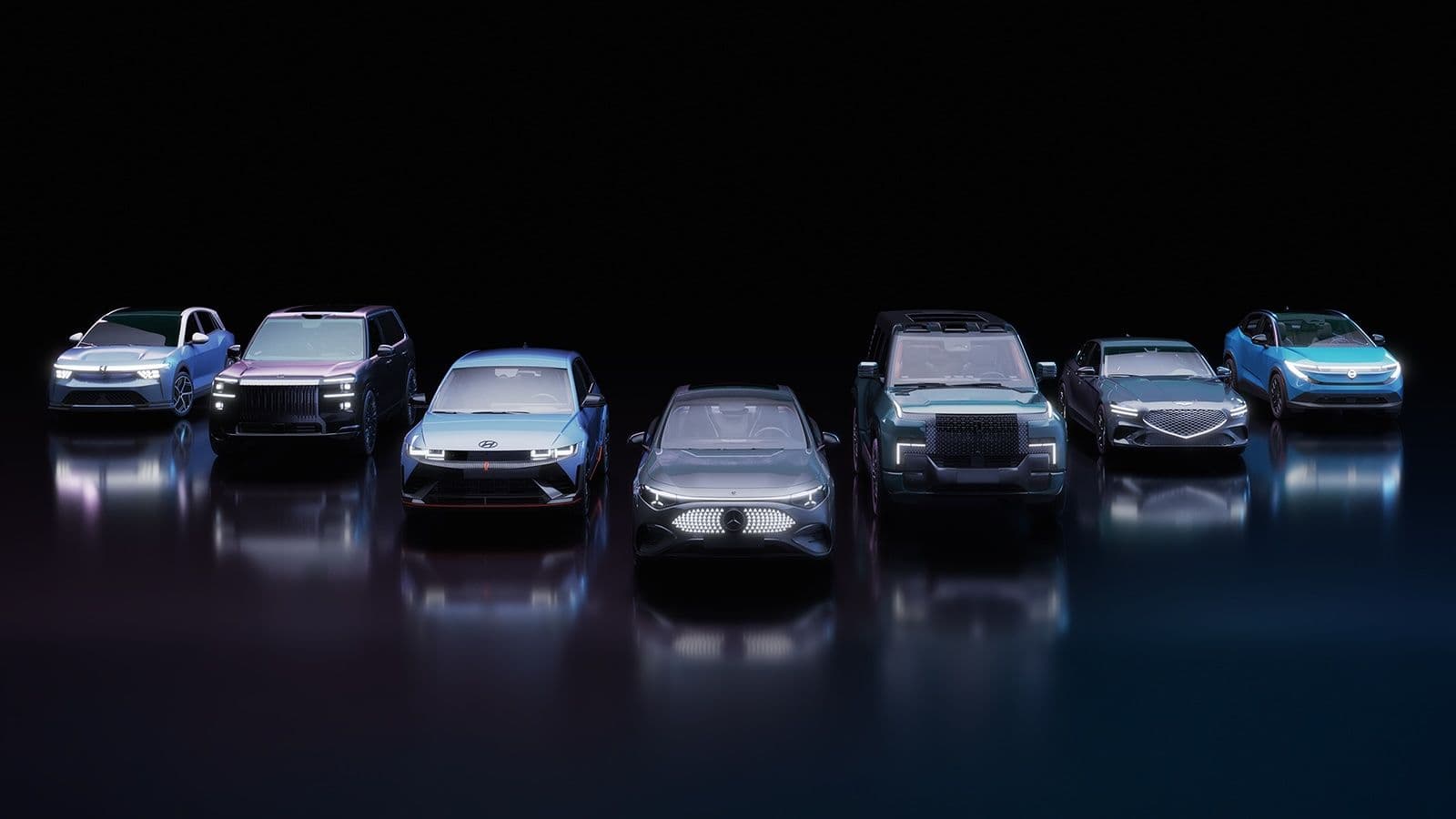
The Saudi AI company is part of NVIDIA’s expanding DRIVE Hyperion ecosystem, a platform designed to help automakers, autonomous-vehicle developers and mobility operators build Level 4-ready robotaxi fleets. NVIDIA announced the broader expansion of the platform at GTC Taipei, naming HUMAIN among a group of global partners working to bring robotaxi-ready systems to new markets.
HUMAIN’s role gives the announcement a distinctly Saudi dimension. Rather than presenting autonomous vehicles as a standalone transport experiment, the collaboration positions robotaxis as part of a wider AI infrastructure strategy, one that links advanced computing, mobility services and real-world urban systems.
HUMAIN is working to bring NVIDIA DRIVE Hyperion-powered robotaxis to the Middle East, expanding the platform’s regional footprint. NVIDIA said the collaboration will use HUMAIN’s AI and mobility ecosystem to support Level 4-ready autonomous transportation solutions across the region.
Turning Saudi AI Into Real-World Mobility
HUMAIN, launched under Saudi Arabia’s Public Investment Fund, was created to work across the AI value chain, including data centers, cloud infrastructure, AI models and applications. The company has been positioned as a full-stack AI player with a mandate to support Saudi Arabia’s economic diversification and help position the Kingdom as a competitive AI hub.
Autonomous mobility depends on more than vehicle hardware. Robotaxi systems require high-performance computing, sensor integration, safety software, data pipelines, operations infrastructure and regulatory coordination. In that sense, the HUMAIN-NVIDIA collaboration fits into a broader shift toward “physical AI,” where AI systems operate in the real world, not only in software environments.
NVIDIA DRIVE Hyperion combines in-vehicle computing, safety software, autonomous-driving software and compatible sensor architecture. NVIDIA said the platform is designed as a common foundation for Level 4-ready vehicles, referring to a stage of automation where a vehicle can drive itself under defined conditions without human intervention.
HUMAIN CEO Tareq Amin framed the collaboration around infrastructure and scale. He said: “Autonomous mobility will become one of the defining AI platforms of the next decade. By working with NVIDIA, HUMAIN is helping enable the infrastructure, intelligence and operational scale needed to develop and support the future of level 4-ready transportation in Saudi Arabia. This collaboration reflects our broader vision to help build AI-native infrastructure platforms that connect the digital and physical worlds at scale.”
Saudi Arabia’s Role in the Robotaxi Push
Saudi Arabia has already signaled that transport technology is central to its long-term modernization agenda. The Kingdom’s National Transport and Logistics Strategy aims to strengthen transport and logistics services, improve integration across transport modes, support Saudi Arabia’s role as a global logistics hub and enhance livability across the country.
Recent government activity also shows that autonomous mobility is no longer a purely theoretical ambition in Saudi Arabia. The Kingdom’s Transport General Authority said in October 2025 that an autonomous vehicle service in Riyadh, operated in cooperation with Uber and WeRide, had exceeded 1,000 users during its initial application phase. Public operations began on dedicated routes, including between Roshn Front and Princess Noura University, while earlier TGA guidance said the vehicles were operating under regulatory and technical supervision with safety officers on board.
That pilot and the HUMAIN-NVIDIA collaboration are not the same project, and NVIDIA’s announcement does not say when HUMAIN-backed robotaxi services could launch commercially. Still, together they show a market preparing for the technical, regulatory and operational layers needed to make autonomous transport viable.
The practical challenge is significant. Robotaxis must handle changing road conditions, passenger safety, mapping, fleet management, local driving behavior and cybersecurity. They also need public trust, especially in dense urban environments where safety concerns can quickly draw public attention.
NVIDIA Builds a Global Robotaxi Ecosystem
The HUMAIN collaboration is one part of a wider NVIDIA push to make DRIVE Hyperion a global foundation for autonomous fleets. NVIDIA also named Foxconn, VinFast, Autobrains and Uber in the same announcement, with projects or planned deployments spanning Taiwan, Southeast Asia and Europe.
That global context is important for Saudi Arabia. Rather than building autonomous mobility technology in isolation, HUMAIN is attaching the Kingdom’s AI strategy to a platform NVIDIA is positioning across multiple regions.
Jensen Huang, founder and CEO of NVIDIA, said: “Autonomous mobility is entering its industrial scaling moment. Vehicles are becoming robots, and robotaxi fleets will require AI infrastructure that can perceive, reason and operate safely in the real world. NVIDIA DRIVE Hyperion gives the world’s automakers, AV developers and mobility networks a common level 4-ready foundation — uniting compute, sensors, safety software and a global ecosystem to bring robotaxis from pilots to everyday transportation at scale.”
Turning AI Infrastructure into Urban Mobility
The partnership reinforces HUMAIN’s broader message since launch: Saudi Arabia is not looking to simply buy AI tools, but to help build and operate the infrastructure behind them.
That strategy was already visible in HUMAIN’s earlier partnership with NVIDIA to build AI factories in Saudi Arabia, where the companies said they would work on large-scale AI infrastructure in the Kingdom, including advanced NVIDIA GPU systems.
The autonomous mobility announcement extends that relationship into a more visible consumer-facing sector. Data centers and cloud platforms are foundational, but robotaxis put AI directly into the daily movement of people across cities. That makes the sector both strategically attractive and operationally demanding.