Turning Rail Into Public Transport
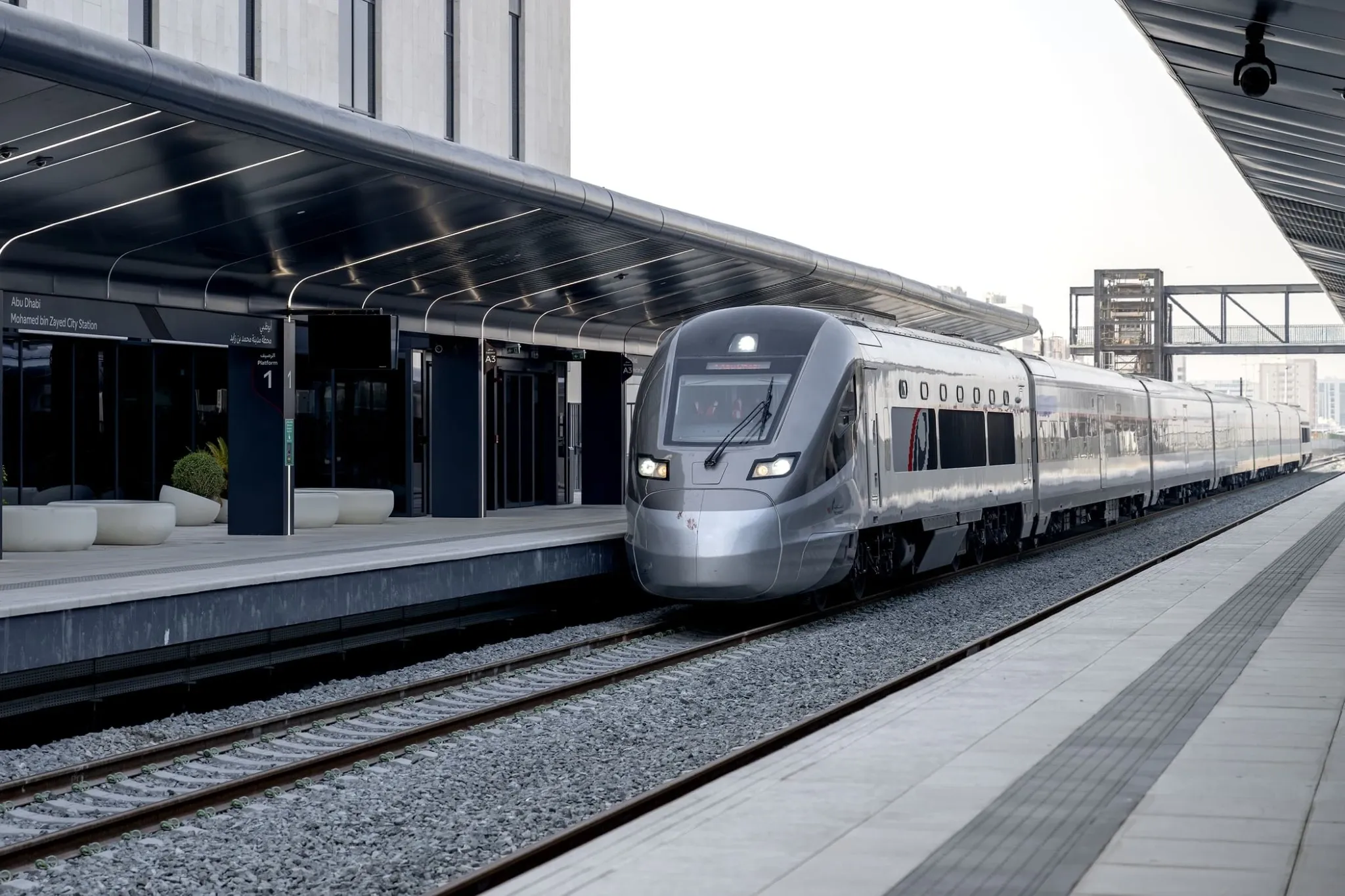
Etihad Rail was established in 2009 under Federal Law No. 2 to develop, build and operate the UAE’s national freight and passenger railway network. The company says the network is designed to link the country’s key population centers, industrial areas and trade corridors.
The inaugural journey is therefore more than a ceremonial trip. It signals the start of a phased shift from a freight-led rail system toward a broader national mobility platform, with passenger travel expected to reshape inter-emirate journeys over the coming years.
As passenger operations expand, the service could give residents a more structured alternative to long road journeys between emirates. The project is being watched beyond transport circles because its impact may reach daily commutes, family visits, tourism and weekend travel.
The Rollout Across the Emirates
Passenger services are scheduled to expand from September 30, connecting Abu Dhabi, Dubai, Al Dhaid and Fujairah. Further extensions are planned for the Al Dhafra Region in December 2026, followed by Sharjah in March 2027.
The staged launch gives Etihad Rail room to build passenger demand gradually while introducing rail travel to different parts of the country. Instead of arriving as one nationwide switch-on, the service is being rolled out in phases, allowing each route to become part of the UAE’s wider transport network.
More cities on the network could make the railway a practical option for residents traveling between emirates for work, family, education or leisure. Its long-term value will depend not only on where the trains stop, but also on how easily passengers can connect rail journeys with the rest of their daily travel.
Fujairah’s connection to Abu Dhabi carries economic and geographic significance. The emirate sits on the UAE’s east coast and is home to strategic logistics, energy and port activity. A reliable passenger link with Abu Dhabi could strengthen business travel, tourism and labor mobility while giving residents an alternative to highway travel.
The route also highlights the wider purpose of the railway: connecting communities that are not all served equally by existing urban transit systems. Dubai and Abu Dhabi already have mature road networks and expanding metro or bus options, but a national rail service can add a different layer of connectivity across emirates.
A Glimpse of Future Rail Travel
Passengers on the inaugural trip described pride in taking part in the first journey and pointed to the train’s speed, comfort and reliability. While trial operations are not the same as a full public timetable, the launch gives residents a first practical glimpse of how inter-emirate rail travel may function once services scale.
Etihad Rail’s passenger website is already structured around bookings, stations, destinations and live schedules, indicating that the operator is preparing the digital infrastructure needed for a commercial passenger service.
Etihad Rail says its network is intended to support economic growth, social development, sustainability and more efficient movement across the UAE. The company also says the railway is designed to connect the seven emirates and eventually form part of a broader GCC rail system.
Those goals place the passenger launch within a larger infrastructure strategy. Rail can reduce pressure on highways, support regional tourism and improve access between residential areas, business districts and industrial zones. It may also help the UAE diversify mobility options beyond private cars, especially as population growth increases demand on intercity routes.