1001, a GCC- and London-based artificial intelligence startup focused on critical infrastructure, has raised $30 million in Series A funding led by Lux Capital, with Saudi Arabia’s Sanabil Investments joining the round alongside 9Yards and Hanabi. Existing backers General Catalyst, CIV and Stanford AI researcher Chris Ré also increased their commitments.
The round gives 1001 fresh capital to expand its engineering team and build out sales, commercial and go-to-market operations across key GCC markets. The company is positioning itself around “sovereign AI” systems for sectors where downtime, poor coordination or delayed decision-making can carry large economic costs, including aviation, ports and logistics, energy, industrials and manufacturing.
Building AI Around Local Control
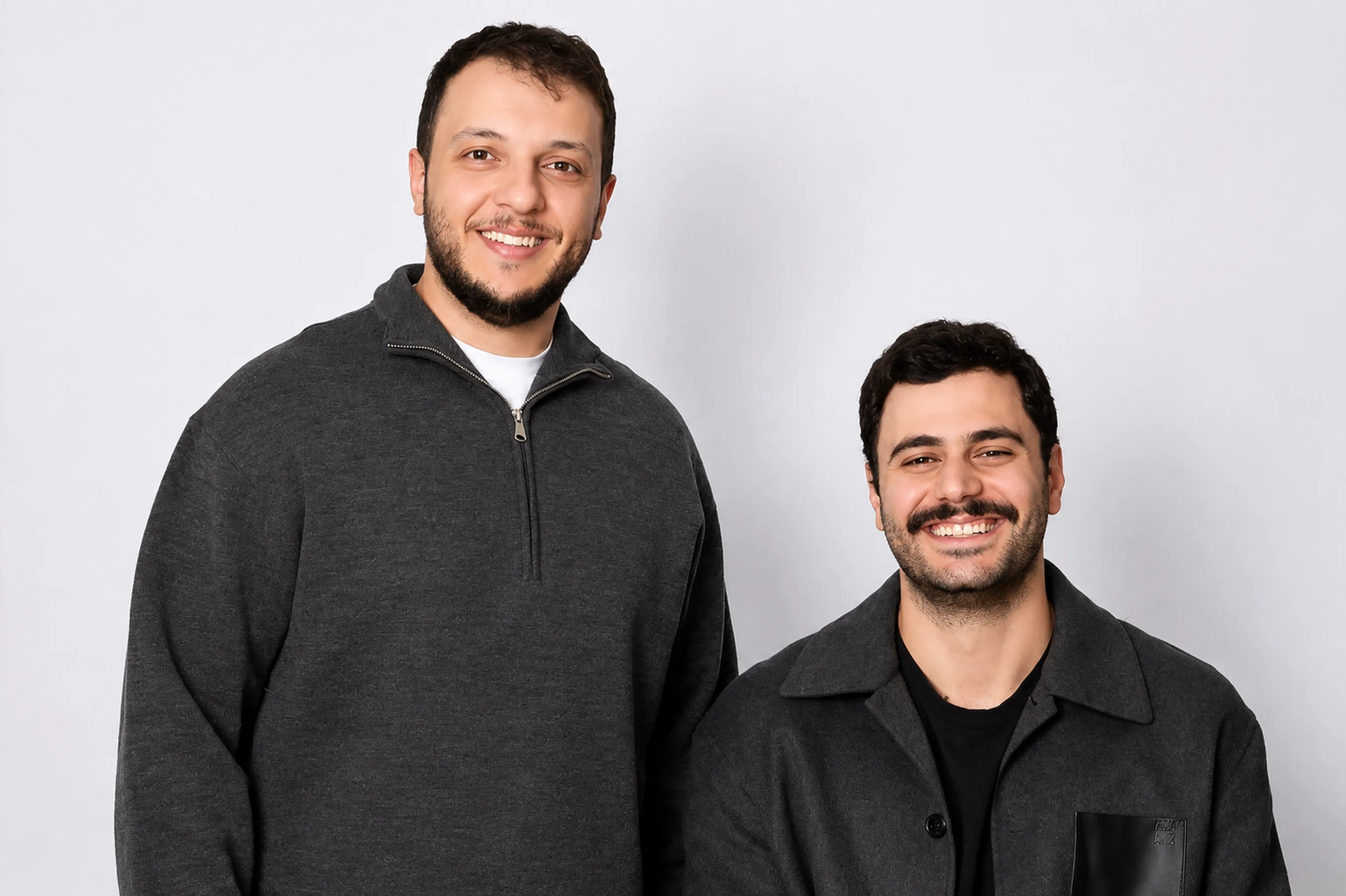
Founded in 2025 by Bilal Abu-Ghazaleh, 1001 says it develops AI operating systems that sit above an organization’s existing software and create a live model of operations, covering assets, processes, dependencies and constraints. The company says its systems are designed to predict operational problems, recommend responses and, in some cases, execute decisions while keeping ownership and governance local.
The pitch reflects a wider shift in Gulf technology investment. Regional governments and infrastructure operators are no longer only buying imported AI tools; they are also looking for systems that can be deployed inside local regulatory, data and ownership frameworks. In critical infrastructure, that approach can be especially important because operators need clear accountability over systems that support airports, energy networks, ports and industrial facilities.
Lux Capital led the Series A, while PIF-owned Sanabil Investments joined as a new investor. Sanabil describes itself as an investor in entrepreneurs and companies seeking to scale, and its portfolio page lists venture capital, growth, private equity and direct investment activity across a wide range of companies and funds.
The funding also follows 1001’s earlier $9 million seed round, announced in October 2025 and led by CIV, General Catalyst and Lux Capital. That earlier round backed the company’s plan to build what it called an AI-powered intelligence layer for enterprise decision-making across physical-world operations.
Infrastructure AI Moves Into the Spotlight
Unlike consumer-facing AI products, 1001 is targeting operational environments where decisions often happen under pressure and across fragmented systems. In sectors such as aviation, logistics and energy, even small delays can compound across supply chains, capacity planning and asset utilization.
The company’s model is built around measurable operational gains rather than general-purpose chatbots or standalone analytics dashboards. Its systems aim to help operators identify what may go wrong before it happens, then coordinate a response through an auditable layer of AI-assisted decision-making.
The GCC has become a major proving ground for infrastructure-linked technology because of its large aviation hubs, port networks, energy assets and industrial projects. This gives companies like 1001 a chance to test applied AI in environments where operational complexity is high and where public and private-sector buyers are actively investing in digital transformation.
1001’s announcement also frames the Middle East as a market where AI can be built and deployed locally, rather than simply imported from larger technology centers. The company says the new funding will help it attract local and global technical talent, with a particular focus on engineering.
Major investor backing gives 1001 added credibility as it moves into a sector where trust and reliability are essential. As infrastructure operators assess new AI systems, clear evidence of performance, cybersecurity, regulatory alignment and measurable returns could help support wider adoption.
The round adds momentum to the Gulf’s emerging AI startup landscape. With Lux Capital leading and Sanabil joining the cap table, 1001 now has both international venture backing and regional institutional support as it looks to scale from early deployments into broader commercial adoption.