

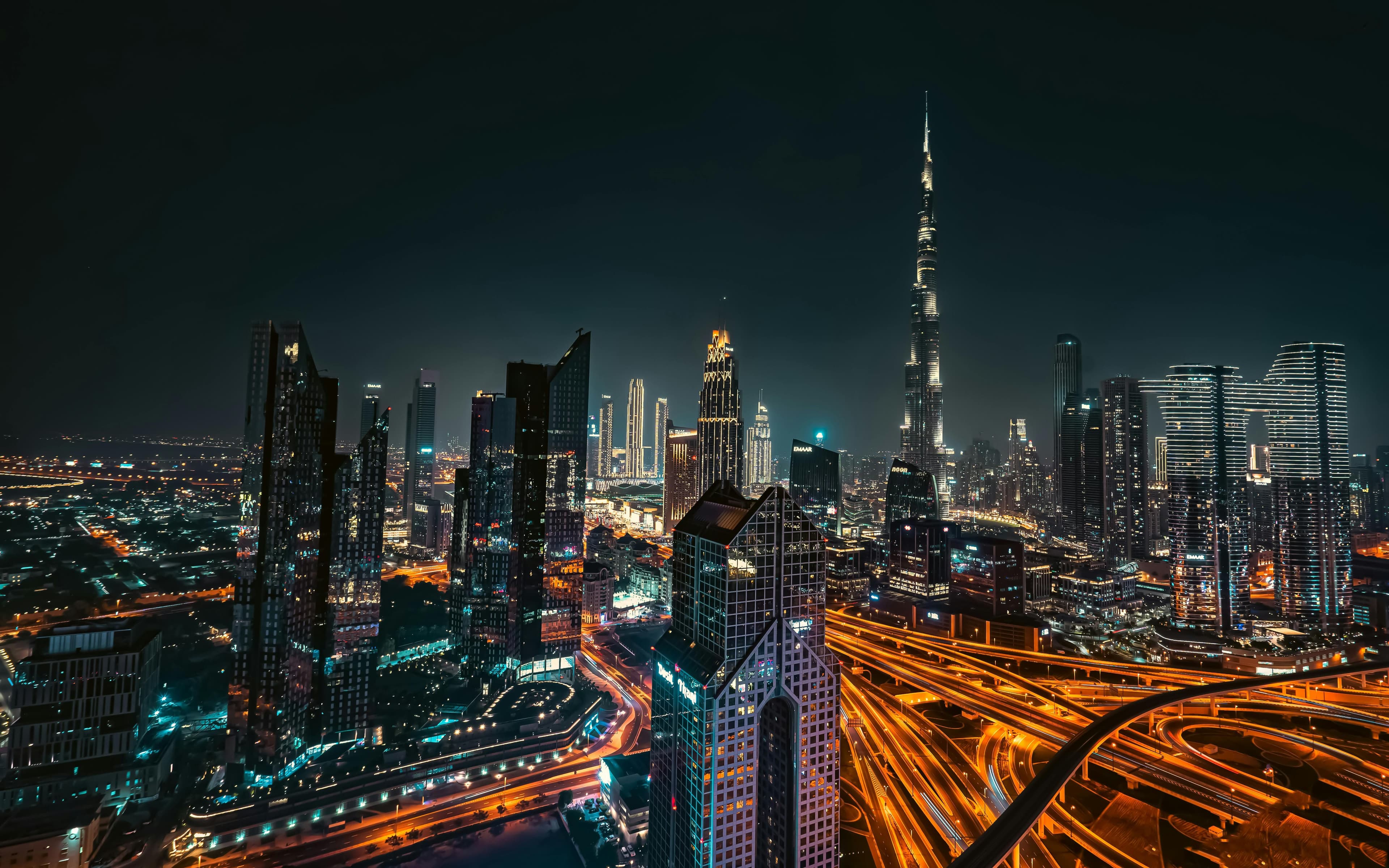
 Dubai continues to blend technology with daily life, as its smart city ambitions take shape across the emirate. (Pexels)
According to the IMD Smart City Index 2026 report, Dubai placed sixth among 148 cities evaluated worldwide, maintaining its position as the highest-ranked city in the region and one of the leading urban centers globally when it comes to technology-driven governance and quality of life.
The ranking reflects a broader shift in how cities are assessed. Rather than focusing solely on infrastructure or economic output, the IMD index measures how effectively cities use technology to improve daily life. This includes factors such as access to digital services, mobility systems, environmental sustainability, and citizen satisfaction.
Dubai’s result is another signal that its approach to building a “smart city” is moving beyond ambition into execution.
At a practical level, the transformation is visible in how residents engage with the city. Government services, from licensing and payments to healthcare and residency processes, are increasingly centralized and digitized, reducing the need for physical interactions and streamlining procedures. This level of integration is a core factor in how the IMD evaluates smart city performance.
The city’s leadership has consistently emphasized simplification and efficiency as priorities. Over time, this has translated into a model where multiple services are interconnected rather than operating in isolation. The result is not just convenience, but a system that is able to respond more quickly to changing needs.
Dubai’s smart city strategy is shifting from ambition to execution, with digital systems increasingly shaping how people live and interact with the city.
Mobility remains another pillar of Dubai’s performance. Investments in smart transport systems, real-time traffic management, and expanding public transit networks have helped improve accessibility while reducing congestion pressures. These systems are designed to be adaptive, using data to optimize movement across the city rather than relying on static infrastructure.
Data itself plays a central role in Dubai’s strategy. The emirate has positioned data as a core asset in urban planning and governance, allowing authorities to make more informed decisions while anticipating future challenges. This approach aligns closely with the IMD framework, which places strong emphasis on how technology is applied, not just deployed.
The IMD index is also shaped by citizen perception, relying on survey data from residents to assess how technology impacts everyday life. In Dubai’s case, consistently strong feedback on digital services, connectivity, and public infrastructure continues to support its position among the top-ranked cities.
Globally, the 2026 index continues to be led by European cities, with Zurich, Oslo, and Geneva occupying the top positions, followed by London and Copenhagen. These cities typically score highly on institutional strength, sustainability, and long-established infrastructure.
Dubai’s placement alongside these cities highlights a different trajectory. Unlike many of its European counterparts, Dubai’s rise has been driven by rapid, large-scale implementation of technology and centralized planning. This has allowed the emirate to accelerate development timelines and introduce integrated systems at a pace that is difficult to replicate elsewhere.
Dubai is no longer just building a smart city, it is operating as one, with technology embedded into everyday life.
The regional context further reinforces Dubai’s position. Abu Dhabi also ranked within the global top tier, while cities such as Riyadh and Mecca showed continued progress in the rankings, reflecting a broader push across the Gulf toward smart city development.
This regional momentum suggests that smart city initiatives are becoming a defining feature of economic and urban policy across the Middle East. However, Dubai remains the benchmark against which others are measured.
What distinguishes Dubai is not just the scale of its investment, but the coherence of its strategy. Rather than pursuing isolated technological upgrades, the emirate has focused on building an ecosystem where services, infrastructure, and data are interconnected.
This integrated approach is increasingly important as cities face more complex challenges, from population growth to environmental pressures. The ability to coordinate across sectors and to do so in real time, is becoming a key differentiator in global rankings.
Dubai is no longer simply positioning itself as a smart city, it is operating as one.
The sixth-place global ranking in the IMD Smart City Index 2026 reflects a city that has moved from building digital capabilities to embedding them into everyday life. Whether through seamless government services, intelligent mobility systems, or data-driven decision-making, the transformation is increasingly visible not just in policy, but in experience.
UAE visitors gain easier banking access
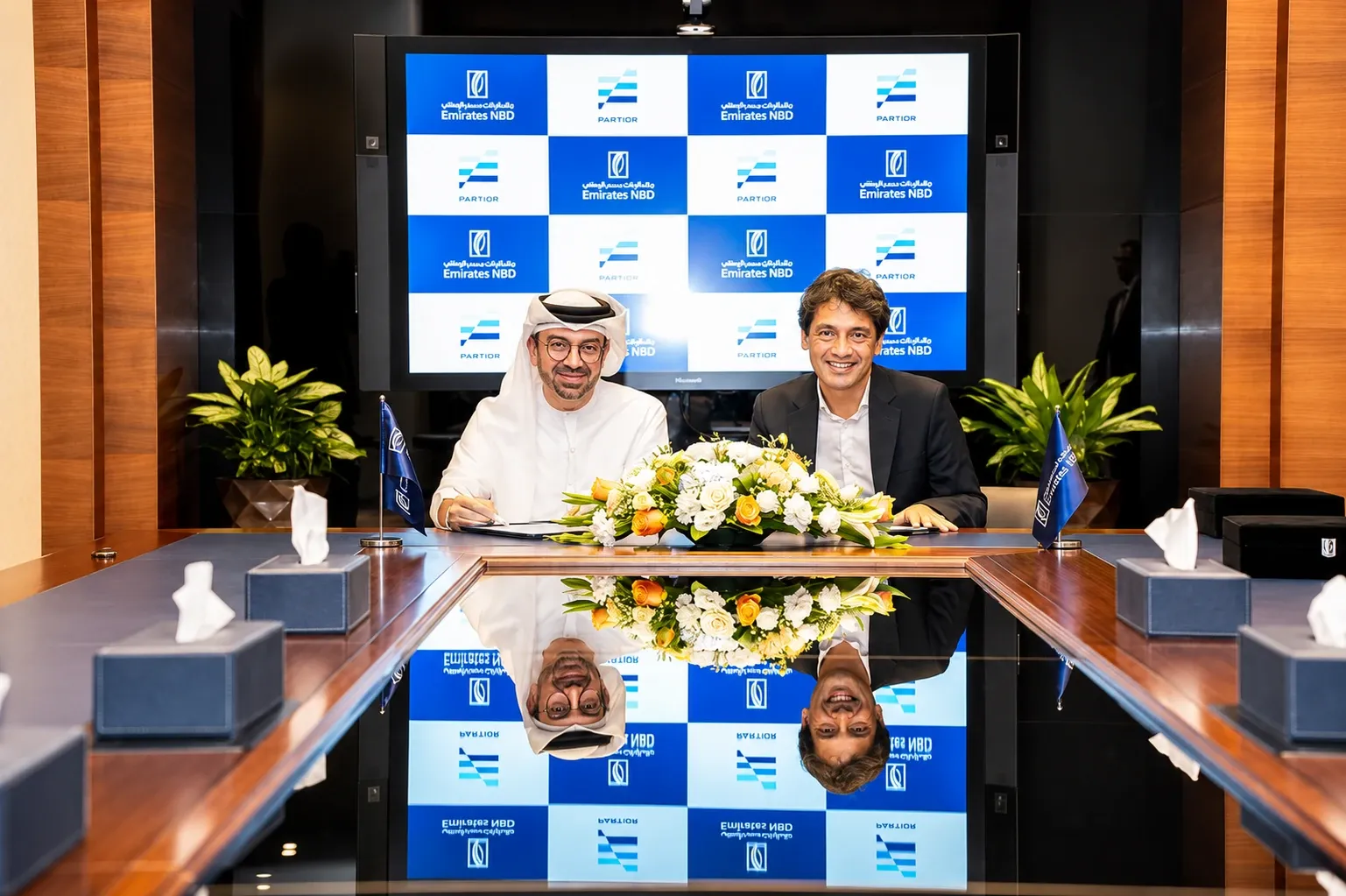
Partior powers faster cross-border settlements

Business payments get a digital overhaul

ADI Chain steps up global expansion

Stay ahead with the latest updates, insights, and trends shaping the world of finance, investment, blockchain, digital business, fintech, technology, and global markets.
